
Tea Ingredients to Avoid for Weight Loss: A Safety-Focused Guide
Written by Alex McKenzie
Many teas use simple ingredients; for example, tea leaves, herbs, flowers, fruits, or spices. However, some teas have long lists of ingredients that include stimulants, laxatives, artificial sweeteners, and concentrated extracts.
Related guides: Can Tea Help With Weight Loss?, How Much Caffeine Is in Tea?, and How to Drink Tea Without Adding Extra Calories.
As a result, this may cause difficulty in determining what types of tea ingredients to avoid since many products are marketed as promoting rapid weight loss, suppressing appetite, and offering “detox” results.
The most important point is simple: a tea ingredient that causes water loss, diarrhea, or a temporary drop in appetite does not automatically cause fat loss. Some ingredients may also cause side effects or interact with medicine.
This guide is focused on tea ingredients and characteristics that require attention. The document is not an evaluation of all types of tea nor an explanation of the benefits of consuming green tea, caffeine, and herbal tea. Rather this document provides you information regarding reading tea labels and identifying potential unsafe products for weight loss.
Tea may fit into a balanced eating pattern, but tea can support healthy habits, but it does not cause weight loss on its own.
Health note: This article is for general education. Talk with a healthcare professional before using a weight-loss supplement, especially if you take medication, have a medical condition, are pregnant, or are breastfeeding.
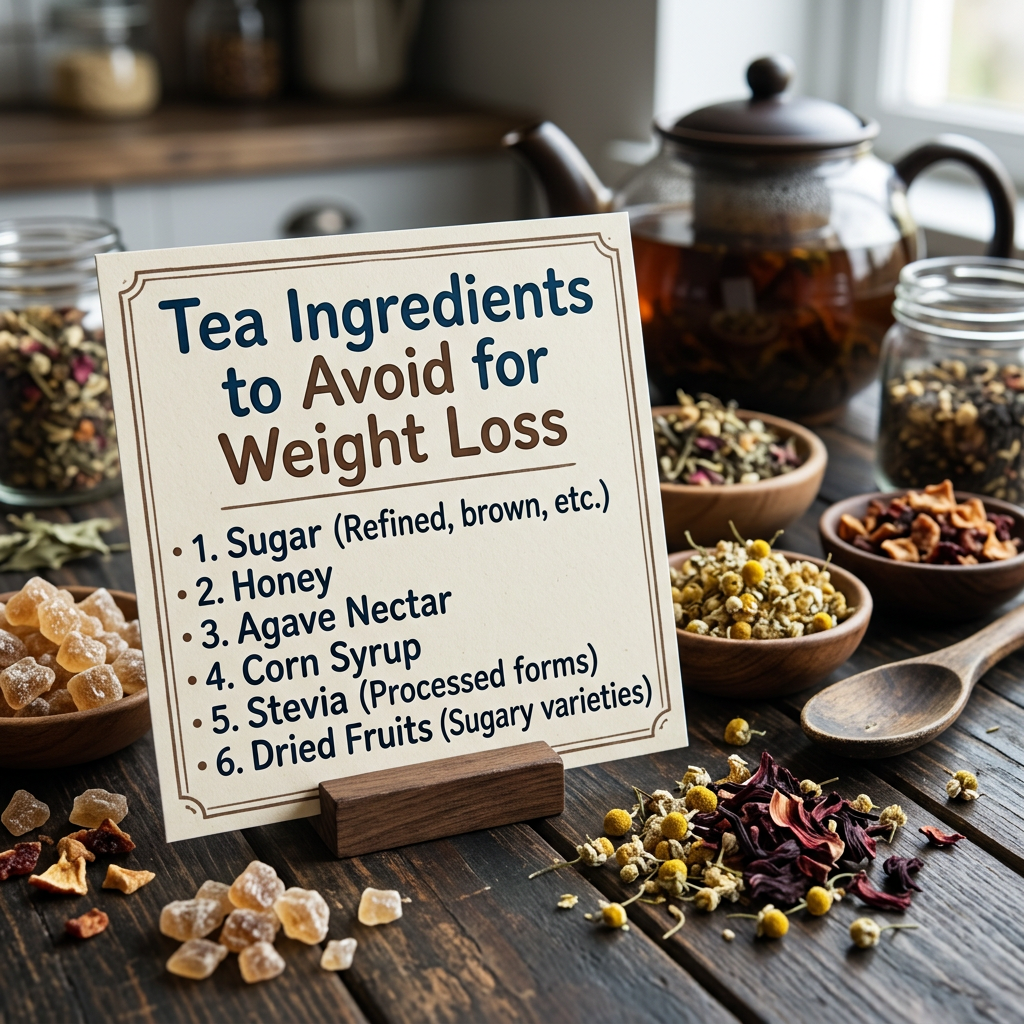
Key takeaways
- Avoid teas that contain senna or other laxatives for weight loss.
- Do not use teas containing senna or any laxative to lose weight.
- Use caution when using products that have excessive amounts of caffeine or multiple stimulants.
- Bitter Orange and Synepherine may elevate your heart rate and blood pressure.
- Green tea consumed as a beverage is very different from concentrated green tea extracts in supplement form.
- When purchasing a product which contains proprietary blends and does not indicate the quantity of each component.
- When adding added sugars, syrups and sweetener creamer you are turning what was a low calorie beverage into a high calorie beverage.
- Be cautious of “Detox” Claims, Rapid Weight Loss Promises, and Photos showing Before/After Results.
- Check the product against the FDA’s weight-loss product notifications.
- A simple, unsweetened tea may fit into a balanced diet, but no tea can replace healthy eating, regular movement, sleep, or medical care.
1. Senna and other laxative ingredients
Senna is one of the most important tea ingredients to avoid when the goal is weight loss. It is a stimulant laxative, not a fat-burning ingredient.
Senna can stimulate bowel movements. This may cause a temporary drop in scale weight because of fluid and stool loss. It does not remove stored body fat. The weight usually returns when the body replaces the lost fluid and food passes through the digestive system.
According to MedlinePlus, senna is intended for short-term use for constipation or bowel preparation. It can cause stomach discomfort, nausea, and cramps. Excessive use may lead to diarrhea and fluid loss.
A laxative overdose can also cause dehydration and electrolyte problems. MedlinePlus lists symptoms such as abdominal pain, vomiting, diarrhea, and weakness in its information about laxative overdose.
Look for these terms on a tea label:
- Senna
- Sennosides
- Cassia senna
- Senna leaf
- Senna pods
- Cascara
- Aloe latex
- Buckthorn
Not every ingredient with a laxative effect will appear in a product name. A tea marketed as a “cleanse,” “flat tummy tea,” or “30-day detox” may contain one or more of these ingredients.
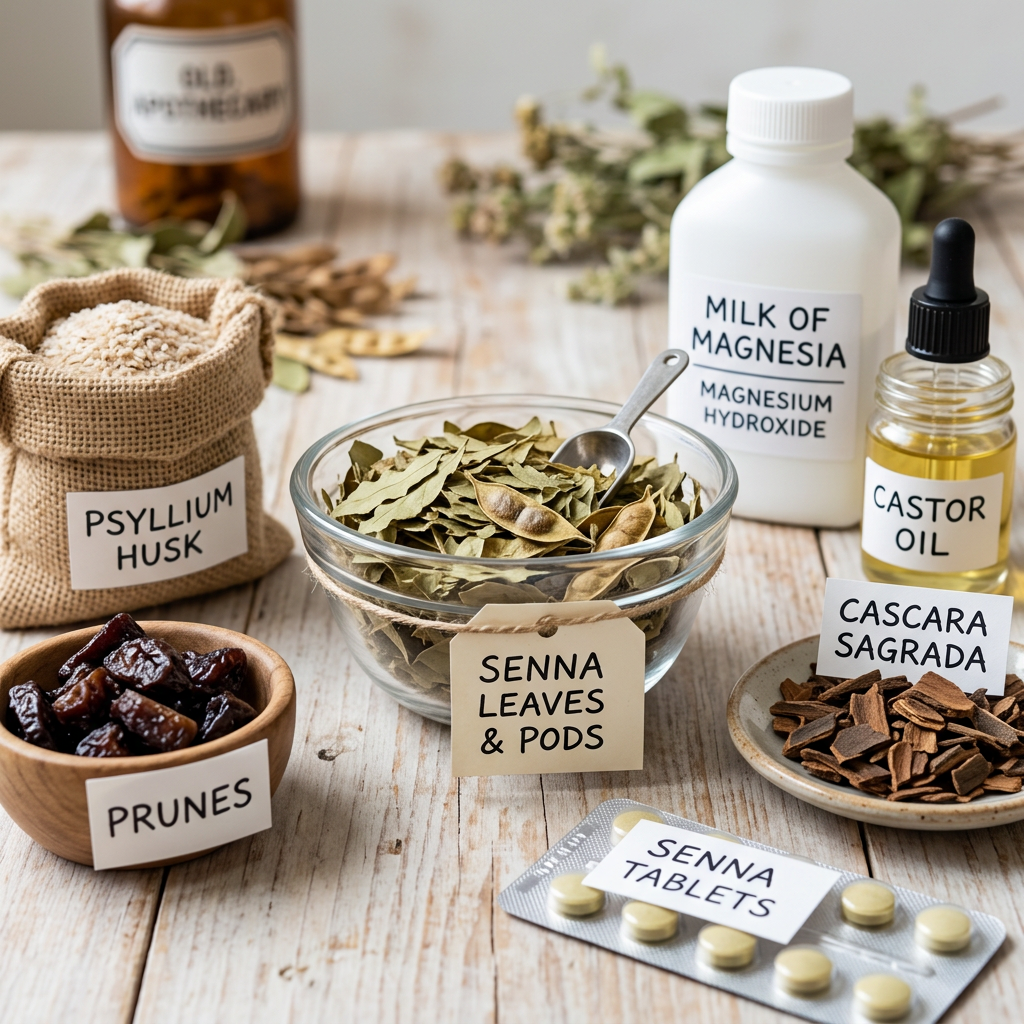
Tea Ingredients to Avoid for Weight Loss – Is senna tea safe?
Senna may have a medical use when taken as directed for short-term constipation. That does not make it a suitable weight-loss ingredient. Using it regularly for weight loss may increase the risk of diarrhea, dehydration, and electrolyte imbalance.
Stop using a product and seek medical advice if you experience severe diarrhea, fainting, rectal bleeding, severe abdominal pain, or signs of dehydration.
2. High amounts of caffeine
Caffeine is naturally found in tea leaves, coffee, yerba mate, guarana, and some other plants. Small amounts may help some people feel more alert. Caffeine may also have a modest, short-term effect on energy use or appetite.
That does not make high-caffeine tea a reliable weight-loss solution.
Some weight-loss teas combine several caffeine sources. For example, a product may contain green tea extract, guarana, yerba mate, kola nut, and added caffeine. Each ingredient may appear harmless on its own, but the total amount can be difficult to calculate.
Too much caffeine may cause:
- Nervousness or shakiness
- Trouble sleeping
- Headaches
- Nausea
- Fast or irregular heartbeat
- Increased blood pressure
- Anxiety
- Digestive upset
The National Institutes of Health Office of Dietary Supplements notes that caffeine may have a modest effect on body weight, but higher amounts can cause side effects. Caffeine can also affect people differently based on body size, medication use, pregnancy, and personal sensitivity.
Be especially careful with products labeled:
- Extra strength
- Thermogenic
- Fat burner
- Metabolism booster
- Energy and detox
- Appetite control
You do not need to avoid every tea that contains caffeine. The concern is more about concentrated products, unclear amounts, and combinations of several stimulants.
Some weight loss tea blends contain added stimulants or high-caffeine ingredients. Learn how much caffeine is in tea before making tea a regular part of your routine.
3. Bitter orange and synephrine
Bitter orange is also known as Citrus aurantium. It may appear in weight-loss products under the name synephrine, p-synephrine, or bitter orange extract.
Manufacturers often promote bitter orange as a metabolism booster. However, the evidence for meaningful weight loss is inconclusive. The ingredient may also cause safety concerns, particularly when combined with caffeine or other stimulants.
The NIH Office of Dietary Supplements reports that bitter orange may increase resting metabolic rate, but its effect on weight loss is unclear. Reported concerns include increased heart rate, higher blood pressure, anxiety, headache, and chest pain.
Avoid or discuss bitter orange products with a healthcare professional if you have:
- High blood pressure
- Heart disease
- A heart rhythm condition
- Anxiety or panic symptoms
- A history of stroke
- A sensitivity to stimulants
A tea label may not use the words “bitter orange.” Check for Citrus aurantium, synephrine, or citrus extract.
4. Concentrated green tea extract
Green tea is often discussed in weight-loss products. It is important to distinguish between brewed green tea and concentrated green tea extract.
Brewed green tea is a beverage. Green tea extract is usually found in capsules, powders, liquid drops, or highly concentrated tea products. These forms may contain much more of certain compounds than a regular cup of tea.
The National Center for Complementary and Integrative Health says green tea as a beverage has no reported safety concerns for adults when consumed in typical amounts. However, green tea extract has been linked to nausea, constipation, abdominal discomfort, increased blood pressure, and rare cases of liver injury.
The risk may be higher when an extract is taken on an empty stomach or in a high dose. Green tea extract can also interact with some medicines. NCCIH notes that green tea products may affect medicines such as nadolol and atorvastatin.
This does not mean you need to avoid brewed green tea. It means you should be careful with:
- Green tea extract
- EGCG supplements
- High-dose catechin products
- Green tea fat burners
- Concentrated liquid green tea drops
- Products that combine green tea extract with several stimulants
If a label does not state the amount of green tea extract or its main compounds, consider choosing a product with clearer information.

5. Proprietary blends and hidden ingredients
A proprietary blend is a group of ingredients listed under one shared name. The label may show the total amount of the blend but not the amount of each ingredient.
For example, a tea label might list a “metabolism blend” containing ten herbs. It may not tell you how much caffeine, bitter orange, or green tea extract the product contains.
This makes it difficult to:
- Compare products
- Calculate total stimulant intake
- Identify the ingredient causing a side effect
- Check possible medicine interactions
- Know whether the product contains an effective amount
The NCCIH explains that supplement labels may not always match what is inside the package. Some weight-loss products have been found to contain prescription drugs or other undeclared ingredients.
The FDA also warns that products promoted as “natural” weight-loss aids may contain hidden drug ingredients. Its contaminated weight-loss product information includes examples of products found with undeclared substances.
Be cautious when a product:
- Does not list exact amounts
- Uses a large blend of ingredients
- Hides ingredients behind a “matrix” or “complex”
- Makes dramatic promises
- Is sold only through social media
- Has no clear manufacturer information
- Has no lot number or expiration date
- Claims to work without diet or exercise
A clear label cannot guarantee that a product is safe. However, an unclear label makes it harder to make an informed decision.
6. Added sugar and high-calorie tea ingredients
Not every tea ingredient to avoid is a supplement. Some are simple sources of added sugar and extra calories.
Plain tea contains very few calories. The calorie content can change when you add:
- Sugar
- Honey
- Flavored syrups
- Sweetened condensed milk
- Regular lemonade
- Sweetened creamers
- Brown sugar
- Tapioca pearls
- Whipped cream
The CDC lists sweetened tea and coffee drinks as sugar-sweetened beverages. It gives the example of a 12-ounce brewed sweet tea containing about 115 calories and 7 teaspoons of sugar.
This does not mean you must drink unsweetened tea all the time. It means sweetened tea can provide more calories than expected, especially when consumed often or in large servings.
Milk tea, bubble tea, chai tea, and iced tea can all fit into different eating patterns. The ingredients and serving size matter. A tea made with unsweetened milk is different from one made with sweetened condensed milk, syrup, and tapioca pearls.
If you want to reduce added sugar, try:
- Unsweetened tea
- A smaller amount of sugar
- Cinnamon or ginger for flavor
- Lemon or lime
- Unsweetened milk
- A smaller serving size
- Fewer syrups or toppings
A tea can be low in calories, but extras can change that quickly. Here is how to drink tea without adding extra calories.
7. “Detox” ingredients and extreme claims
Detox Tea Ingredients are generally a combination of diuretic, laxative, stimulant or herbal products that promote detoxification through a “cleansing” product for your body.
Your body is made up of systems that cleanse itself of toxins (the liver and kidneys). Therefore, no tea needs to create an abundance of urine output or bowel movement to clean your body.
Skeptical of claims like:
- Lose ten pounds in one week
- Burn off fat during sleep
- Remove toxic substances from your body.
- Reduce size of abdomen while sleeping.
- Eat whatever you want and still lose weight.
- Loose weight with no changes to daily routine.
- Guarantee of results.
- A medical-grade detox.
The NCCIH information on detoxes and cleanses warns that some programs involve laxatives, fasting, or large amounts of herbal tea. These practices may cause diarrhea, dehydration, and electrolyte problems.
The Federal Trade Commission has also taken action against unsupported detox tea claims. In one case, the FTC challenged claims made by Teami about its detox tea products. The FTC report explains that health and weight-loss claims need reliable scientific support.
A tea product does not become more effective because its label uses words such as cleanse, detox, metabolism, or natural.
What about herbal, ginger, chamomile, matcha, and chai tea ingredients?
Many people seek out herbal tea ingredients, ginger tea ingredients, chamomile tea ingredients, or chai tea ingredients so that they can know exactly what they are consuming.
The potential variety of different recipes contained within these categories is a major concern. Not whether an ingredient is classified as either herbal or spice related but rather how much of each ingredient is included; how it was prepared; and what health claims have been made.
While it is possible to prepare a beverage using ginger, chamomile, cinnamon, mint and regular old tea leaves without touting it as some type of weight loss solution, you will still need to check for allergic reactions, drug interaction possibilities and individual intolerance to consume safely.
Matcha and green tea contain caffeine. Chai and masala tea may contain black tea, spices, milk, and added sugar. Sweet tea and iced tea may contain significant added sugar. Bubble tea may include syrups, milk, and tapioca pearls.
The same rule applies to bariatric tea ingredients and “sleepytime” tea ingredients: a product name does not tell you whether the formula is suitable for you. Read the full label, check serving sizes, and avoid products that promise rapid weight loss.
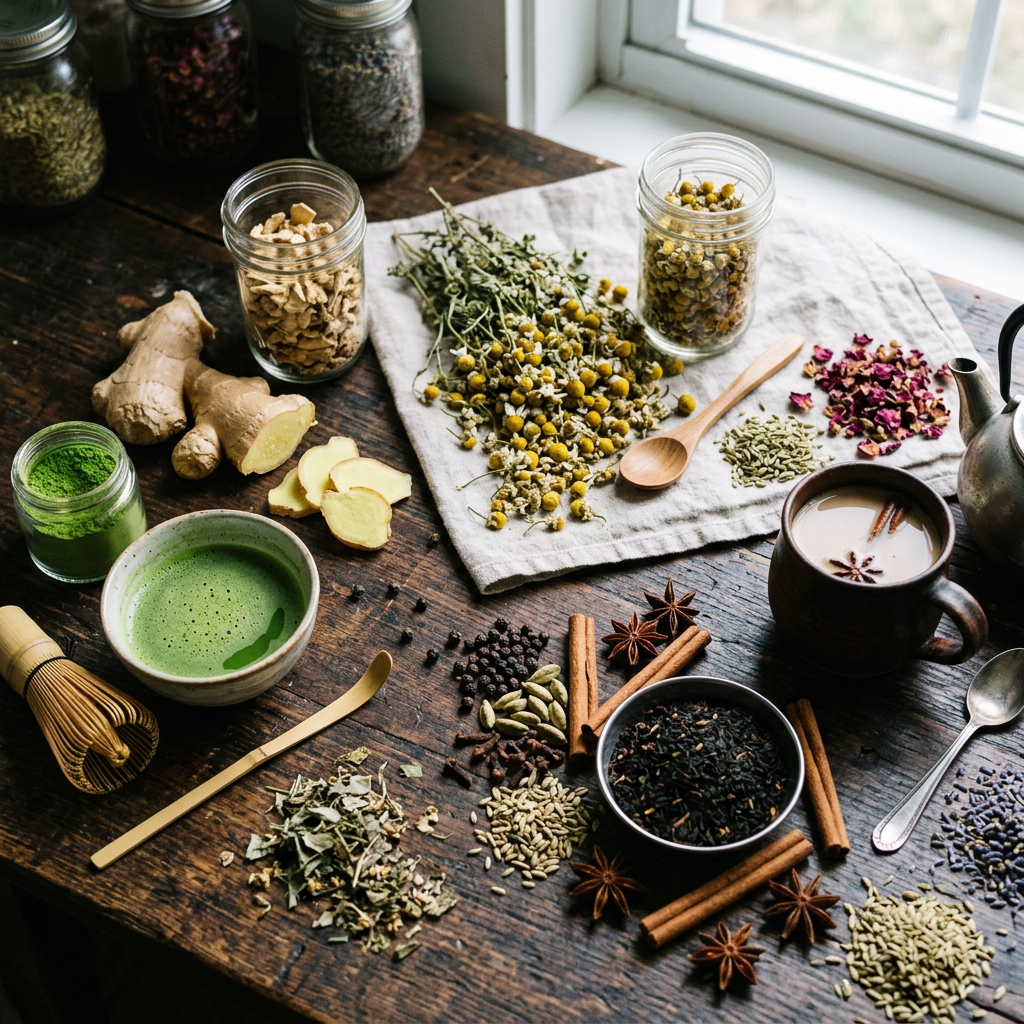
How to choose a safer tea
A simpler product is usually easier to evaluate. Consider choosing tea that:
- Provides an easily understandable list of all ingredients in each product.
- Clearly shows how much is to be consumed with each serving.
- Uses a clean label; does not include proprietary blends that hide what has been used to create it.
- Doesn’t use laxatives as a way to lose weight quickly.
- Combines one or two stimulants at most – never combines multiple strong stimulants together.
- Does not make claims such as “you will lose X amount of pounds” etc.
- If there are questions about the supplement (the company), provides contact information for the company.
- Each product has a Lot # (also known as Batch #) along with an Expiration Date.
- Will not automatically put you on a recurring charge (e.g., monthly delivery).
- Is safe for your body based upon your overall health and any medications currently being taken.
If you take medication, ask a pharmacist or doctor about possible herb-drug interactions. Do not assume that a tea is safe simply because it is sold online or labeled natural.
Frequently asked questions
What ingredients should you avoid in weight-loss tea?
Be cautious of using senna, other laxative products, products that contain Bitter Orange, Synephrine, High dose Caffeine, Concentrated Green Tea Extract, and/or Products containing unknown or hidden ingredients. Also limit your added sugar intake (if calorie reduction is one of your goals) as well.
Are laxatives safe for weight loss?
No. Laxatives will temporarily reduce scale weight due to stool and fluid loss; however, they will not burn the fat off of your body. If overused or repeated use occurs it could lead to Diarrhea, Dehydration and Electrolyte issues.
Is senna tea safe?
Short-term Senna use is acceptable for Constipation treatment if you follow the instructions on the label. Do Not include it as an option in your Weight Loss Program. Consult with a Healthcare Professional about utilizing Senna long term or if you experience Severe Cramping, Diarrhea, Weakness, Bleeding.
Is detox tea bad for you?
Some detox teas are simply herbal beverages, while others contain laxatives, stimulants, or concentrated extracts. The word detox does not tell you what is inside the product. Read the ingredient list and avoid products that promise rapid or guaranteed weight loss.
Is green tea extract the same as drinking green tea?
No. Green tea extract is more concentrated than brewed tea. Green tea as a beverage is generally considered safe for adults, while concentrated extracts have been linked to side effects and rare liver injury.
Can tea with sugar cause weight gain?
Use less sugar in your tea, choose an unsweetened tea, to lower your intake of the added sugar found in sugar sweetened teas (as classified by the CDC as a Sugar-Sweetened Beverage) which will also help to lower your calorie intake.
What should you do if a weight-loss tea makes you feel sick?
Do not use the product; consult a physician immediately for symptoms that are either acute, chronic, or consist of chest pain, faintness, rapid heart beat, severe stomach cramps, blood in stool or evidence of dehydration. When seeking care for an adverse reaction take the product label or packaging along with you so the healthcare provider has all relevant information.
Final thoughts
The best tea for losing weight will NOT cause you to have diarrhea, become dehydrated, or experience a rapid heartbeat. Instead it should complement your diet and provide no false claims about overall health.
If you want to make an informed decision choose a product whose ingredients are clearly listed, do not use teas as laxatives, avoid products that contain concentrated extracts and keep added sugars to a minimum. Tea can certainly be used in conjunction with a healthy eating plan; however, it is not a “quick fix” to lose body fat.
Make All Day Slimming Tea part of your daily routine and enjoy a flavorful way to support your weight loss and wellness goals.

Affiliate Disclosure
Some links on this page may be affiliate links. If you click a link and make a purchase, we may earn a commission at no extra cost to you. This helps support Weight Loss Tea Guide. Our recommendations are based on research and editorial judgment. Compensation does not affect the information or opinions we share.

10 thoughts on “Tea Ingredients to Avoid for Weight Loss: A Safety-Focused Guide”