
Can Tea Help With Weight Loss?
Written by Alex McKenzie
Can Tea Help With Weight Loss? A few restricted ways in which tea may be able to aid you in losing weight exist, however; this is most definitely not an easy way out (a “magic” drink), nor is it a guaranteed method for burning body fat.
Plain Unsweetened tea is generally low-calorie, therefore replacing soda, sweet tea, or other sugar-rich beverages with plain tea will generally lower your overall calorie consumption. Caffeine and other naturally occurring substances contained within certain teas (such as green tea) may also slightly influence how much energy you expend.
Research has shown no evidence that drinking regular tea alone results in a significant amount of weight loss. Any effect from drinking regular tea would likely be very small, and would work best when included as part of a well-balanced routine including nutritious foods, consistent activity levels, adequate amounts of rest/sleep, and appropriate portion sizes.
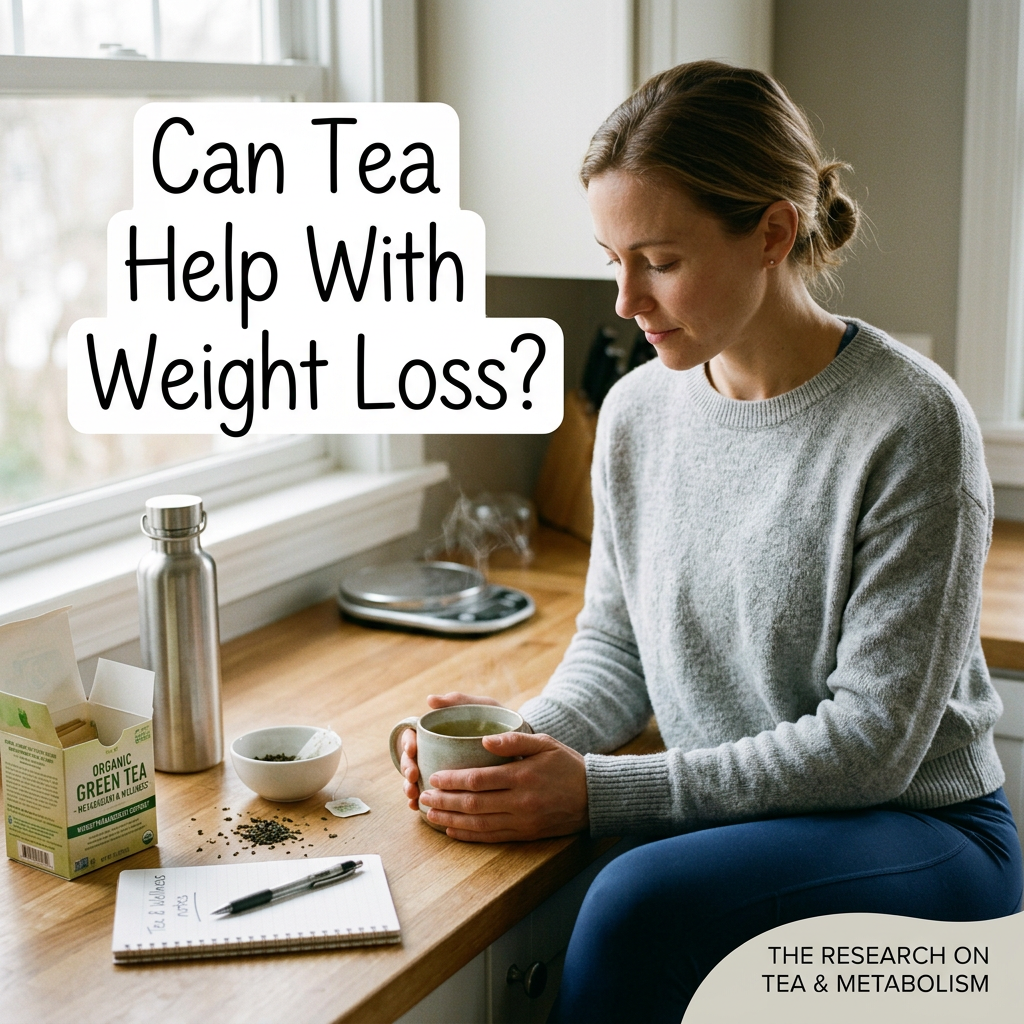
Can Tea Help With Weight Loss – Key Takeaways
- Tea alone does not guarantee weight loss.Unsweetened tea will be an alternative to sweet beverages in addition to reducing total calories consumed.
- For many individuals, Green Tea has been reported to possibly help with body weight (although the possible amount of weight reduction varies widely).
- The research evidence on the effects of Green Tea is variable and overall the likely impact on weight is quite minor.
- Brewed Tea has been found to differ from the use of concentrated extracts made from brewed green tea.
- In addition to containing caffeine, certain herbal teas may also include laxatives as well as other herbs which could cause interactions with prescription medications.
- Additionally, avoid teas that indicate they provide for fast weight loss, “fat melting” claims.
- If you are interested in the use of concentrated products made from brewed tea, please consult your physician.
How Could Tea Support Weight Loss?
Tea may support weight management in simple, indirect ways. It is not the tea itself that creates dramatic results. Instead, the drink may help you make better choices throughout the day.
1. Tea can replace sugary drinks
Many popular drinks contain added sugar and calories. These include:
- Regular soda
- Sweetened iced tea
- Flavored coffee drinks
- Energy drinks
- Fruit drinks
- Sweetened sports drinks
Replacing a single high-calorie beverage such as soda with an unsweetened tea could potentially decrease your daily calorie consumption. As many people consume at least some sweet beverages on a regular basis this could provide help in reducing those excess calories.
The Center for Disease Control (CDC) reports that frequent consumption of sugar-sweetened drinks have been associated with weight gain and obesity. Drinking fewer of these types of beverages should assist in long-term weight reduction efforts.
You do not need to depend upon burning fat for tea to be beneficial. Even though tea itself does not aid in the breakdown of fat; by helping you limit added sugars and additional calories from consuming sweet drinks, you are ultimately supporting your overall weight-loss goals.
2. Tea can add flavor without many calories
Some people find plain water boring. Tea adds flavor without requiring a large amount of sugar, cream, or syrup.
You can drink tea hot or cold. Try adding:
- Lemon
- Lime
- Fresh mint
- Ginger
- Cinnamon
- Cucumber
- Fresh berries
These ingredients can add flavor without turning your drink into a high-calorie beverage.
3. Caffeine may have a small effect
Most teas including green, black, oolong, and white are naturally caffeinated. It has a temporary stimulating effect on awareness as well as some slight increase in caloric burn.
However, the idea that caffeine will cause significant weight loss for everyone is an exaggeration. The body responds differently to caffeine. Some individuals may experience anxiety, restlessness, insomnia, etc., with excessive consumption of caffeinated beverages.
Poor quality sleep can complicate your ability to eat healthily and manage your weight. Therefore, the assumption that consuming greater amounts of caffeinated tea is good isn’t necessarily true.
What Does the Research Say?
The research on tea and weight loss is mixed.
Some studies suggest that green tea may lead to a small reduction in body weight or body fat. Other studies find little or no meaningful change. Reviews of the research often conclude that any benefit is modest.
The National Center for Complementary and Integrative Health states that the catechins and caffeine in green tea may have a modest effect on body weight. However, it also notes that researchers have not reached definite conclusions about green tea for many health uses.
A review of controlled trials found that weight loss from green tea preparations was very small and not likely to make a major clinical difference. Some studies used concentrated green tea products instead of normal cups of brewed tea.
This difference matters. A supplement or extract may contain much more caffeine and catechins than a regular cup of tea. Results from a supplement study should not automatically be applied to the tea in your kitchen.
Is Green Tea the Best Tea for Weight Loss?
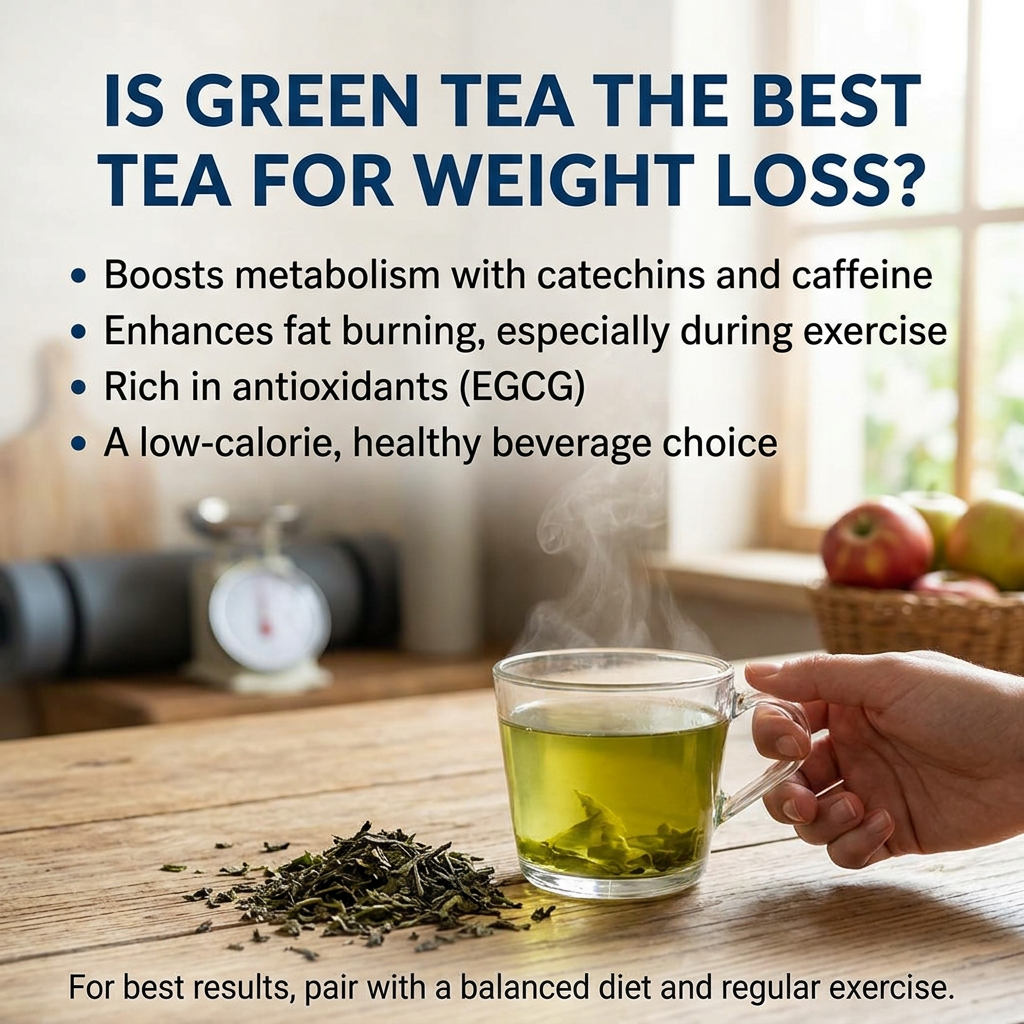
Green tea is the most commonly studied tea for weight management. It contains caffeine and natural compounds called catechins. One catechin often discussed in research is epigallocatechin gallate, also known as EGCG.
Research suggests that green tea may have a small effect on body weight for some people. The effect may depend on:
- The amount of caffeine
- The amount of catechins
- How often you drink it
- Your usual caffeine intake
- Your diet and activity level
- The type of green tea product
- The length of the study
Green tea should still be viewed as a low-calorie drink, not a weight-loss treatment.
If you enjoy green tea, drink it without or with very little added sugar. You can also add lemon or mint for flavor.
What About Black Tea and Oolong Tea?
Black tea and oolong tea also contain caffeine. They may be useful as low-calorie alternatives to sweet drinks.
Black tea has a stronger flavor and darker color. Oolong tea falls between green tea and black tea in taste and processing. Both can be served hot or cold.
There is less evidence for black tea and oolong tea compared with green tea. This does not mean they are bad choices. It simply means there is not enough evidence to call them proven weight-loss drinks.
Choose the tea you enjoy and can drink without adding large amounts of sugar.
Can Herbal Tea Help With Weight Loss?
Herbal tea is made from herbs, flowers, spices, roots, or other plants. Many herbal teas do not contain caffeine.
Common examples include:
- Peppermint tea
- Chamomile tea
- Hibiscus tea
- Ginger tea
- Cinnamon tea
- Rooibos tea
Consuming herbal teas as opposed to sugary drinks could promote healthy behaviors. The act of consuming herbal tea on a regular basis could also lead to increased hydration levels throughout a person’s day.
Although, many herbal teas have been found to aid in hydration, there is little research supporting the fact that they aid with weight loss. If an individual feels refreshed and calm due to the effects of a certain herbal tea, it would not produce the same effect by burning fat in the body.
Some products labeled “detox tea”, “cleanse tea”, “flat tummy tea” contain laxatives. Some consumers of such teas have experienced diarrhea, cramping, dehydration, etc. The repeated use of such teas may lead to imbalances within the electrolytes. Repeatedly using laxatives does not provide a safe means of promoting weight loss
Brewed Tea vs. Green Tea Extract
Regular brewed tea and green tea extract are not the same product.
A cup of green tea contains a moderate amount of caffeine and natural plant compounds. A supplement may contain concentrated amounts of these compounds.
Green tea extracts have been linked to side effects in some people. The National Center for Complementary and Integrative Health reports that green tea extracts can cause nausea, constipation, stomach discomfort, and increased blood pressure. Rare cases of liver injury have also been reported.
Extracts may also interact with some medications.
Do not assume that a supplement is safer or more effective because it contains green tea. Always read the label and follow the serving instructions. Speak with a healthcare professional before using an extract, especially if you take medication or have a medical condition.
Does Adding Sugar Cancel the Benefits?
Adding a small amount of sugar does not make tea unhealthy. However, the extra calories can add up if you drink several sweetened cups each day.
Some packaged teas also contain large amounts of added sugar. Check the nutrition label before buying bottled tea.
To reduce added sugar, try:
- Using less sugar each week
- Adding lemon or lime
- Using fresh mint
- Choosing naturally flavorful teas
- Drinking tea over ice
- Mixing sweetened tea with unsweetened tea
- Using a smaller amount of honey
Honey is still a source of sugar and calories. It may taste different from table sugar, but it should still be used in moderation.
How to Drink Tea for a Healthy Routine
There is no special time when tea suddenly causes weight loss. The best time to drink tea is the time that fits your routine.
In the morning
Green tea or black tea may be a suitable morning drink for people who tolerate caffeine.
Between meals
Unsweetened tea can replace soda or sweet snacks. It may also give you something flavorful to drink while you work.
With lunch
Iced tea with lemon can be a refreshing alternative to sweetened drinks.
In the evening
Choose caffeine-free options such as peppermint, rooibos, or chamomile if caffeine affects your sleep.
Before or after exercise
Water should remain your main source of hydration during physical activity. Tea can be another drink option, but it does not replace water or a balanced meal.

How to Choose a Weight Loss Tea Product
If you are considering a packaged tea product, check the label carefully.
Look for:
- Full ingredient list
- Caffeine information
- Serving size (the amount of caffeine in that serving)
- Amount of added sugar
- How to prepare the product (instructions)
- Contact info for the manufacturer
- When available, third-party testing information
- Product information as realistic as possible
Be cautious if a product promises:
- Rapid weight loss
- Permanent fat burning
- A flat stomach in a few days
- Weight loss without diet or activity
- A complete body cleanse
- Guaranteed results
A product that makes extreme promises may not be trustworthy.
Also check for ingredients you may need to avoid. Caffeine, green tea extract, senna, and other herbs may cause problems for some people.
Who Should Be Careful With Tea Products?
Talk with a qualified healthcare professional before using concentrated tea products if you:
- Are pregnant or breastfeeding
- Take prescription medication
- Have high blood pressure
- Have liver or kidney problems
- Have caffeine sensitivity
- Have a heart condition
- Have a history of eating disorders
- Are under 18
- Are planning to use a laxative tea
Even natural ingredients can affect the body. Natural does not always mean safe for everyone.
A Simple Tea Routine
You do not need a complicated plan. Try this simple approach:
- Select a non-sweetened tea flavor that you like to drink.
- Instead of drinking one sugary beverage, choose to drink this tea.
- Drinking water should still be your primary source of hydration.
- Try to limit the amount of caffeine you consume throughout the day.
- Do not drink teas that claim they can provide quick weight loss results.
- When checking the label of your tea look for Caffeine, Sugar, or Laxative Ingredients.
- Remember the importance of developing healthy eating habits and regular physical activities.
Small changes are easier to maintain than extreme plans.
Frequently Asked Questions
Can tea burn belly fat?
Tea does not burn just belly fat; in fact, losing body fat occurs throughout your entire body once you create a calorie deficit long-term. The things that influence the degree of success vary by individual and include genetics, hormonal fluctuations, diet, physical activity, sleep habits, and other overall health factors.
How many cups of tea should I drink for weight loss?
There isn’t a specific quantity of tea (cups) that will result in a guaranteed loss of pounds. Most individuals can safely consume anywhere from 1-3 cups of unsweetened tea per day depending upon their caffeine sensitivity as well as the type of tea they are consuming.
Is green tea better than black tea for weight loss?
Green tea has been the focus of most studies regarding its use in aiding with weight management; however, even though there may be some slight advantages associated with green tea consumption, green tea is not going to “work” better for everyone. Drinking both black and green tea as low-calorie beverage options is acceptable as long as you don’t add sugar.
Can I drink slimming tea every day?
That depends on what’s inside of the slimming tea. Green tea, black tea, and many other types of herbal teas could probably become part of your regular daily routine. Use laxative teas regularly at your own risk — only take them under the direction of a licensed healthcare provider.
Does tea help you lose weight while you sleep?
Although there is an abundance of products claiming to promote weight loss during your sleep hours due to the presence of special ingredients within them, there is no reliable scientific evidence supporting that these products actually aid in weight loss while you’re resting or sleeping. Be cautious when purchasing such products.
Is lemon tea good for weight loss?
A cup of lemon tea would likely qualify as a very low-calorie drink provided you didn’t add any sugar. It doesn’t matter how much lemon you put into your tea; the lemon alone won’t produce a weight loss. A primary advantage of lemon might be allowing you to find flavor in tea that you prefer without resorting to high-sugar beverages.
Can I add honey to tea and still lose weight?
Yes, you certainly can add honey to your tea, although you’ll want to limit the amount because honey is a source of calories and sugar. If you’re trying to reduce your body weight then you’ll want to measure out the honey you add to your tea and try to keep that portion size limited.
What is the best tea to drink at night?
Most likely a decaf or caffeine free type tea would be good. The most commonly used teas include peppermint, chamomile and rooibos. It’s a good idea to avoid caffeine before you go to bed if it disturbs your sleep.
Are tea supplements better than brewed tea?
Likely no. Supplements/extracts of tea (or any other food item) can be very strong. This makes them potentially hazardous. There has been little evidence that they result in substantial loss of weight.
Can tea replace meals?
No. While tea can help satisfy some of your appetite and thirst, it will not give you the total amount of the nutrients that your body requires. If you rely on only tea instead of eating regular meals, you could experience low energy levels and become hungry. Poor diet and nutrition can also develop from this.
Final Thoughts
As long as you replace sugary drinks with unsweetened tea, I think you’ll get the best benefit of using tea to lose weight. Scientific studies suggest green tea could be useful in contributing slightly to your overall weight loss but the results have been variable and usually minimal.
Choose an unsweetened type of tea that you enjoy the most and incorporate it into a complete and balanced diet plan. Don’t rely on any product touting fast results or guaranteed success.
Before taking concentrated tea extract (and/or any other dietary supplement) containing a multitude of ingredients, read the ingredient list and ask for advice from your doctor.
Enjoy a refreshing cup of All Day Slimming Tea as a simple addition to your daily weight loss and wellness routine.

Affiliate Disclosure
Some links on Weight Loss Tea Guide are affiliate links. If you buy something after clicking one of these links, we may earn a commission at no extra cost to you.
We only recommend products and resources we believe may be useful to our readers. Affiliate relationships do not affect our editorial opinions or product evaluations. Always check product labels and speak with a qualified health professional before using weight loss teas, supplements, or products that may affect your health.

9 thoughts on “Can Tea Help With Weight Loss?”