
Healthy Tea Habits: How to Choose and Drink Tea Every Day
Written by Alex McKenzie
There are many ways that tea can help you meet fluid needs for the day. Additionally, by replacing soft drinks, tea drinking can create a comforting daily ritual. However, all types of tea do not provide equal support in achieving these goals.
Plain brewed green tea is different than bottled sweet tea. Herbal teas without caffeine are different than extracts of green tea. Brewed or home-made iced tea is different than an oversized cold-brew tea made with syrups, creams, and various toppings.
Healthy tea habits involve looking at the whole picture:
- What is in the cup?
- How much sugar does it contain?
- How much caffeine do you drink?
- When do you drink it?
- Does it fit your health needs?
- Are you drinking tea as part of a balanced routine?
This guide focuses on daily tea choices and habits. It does not review weight-loss tea ingredients or list products to avoid. For that topic, see our guide to tea ingredients to avoid for weight loss.
Health note: This article is for general education. Talk with a healthcare professional before using concentrated tea extracts or supplements, especially if you take medication, have a medical condition, are pregnant, or are breastfeeding.
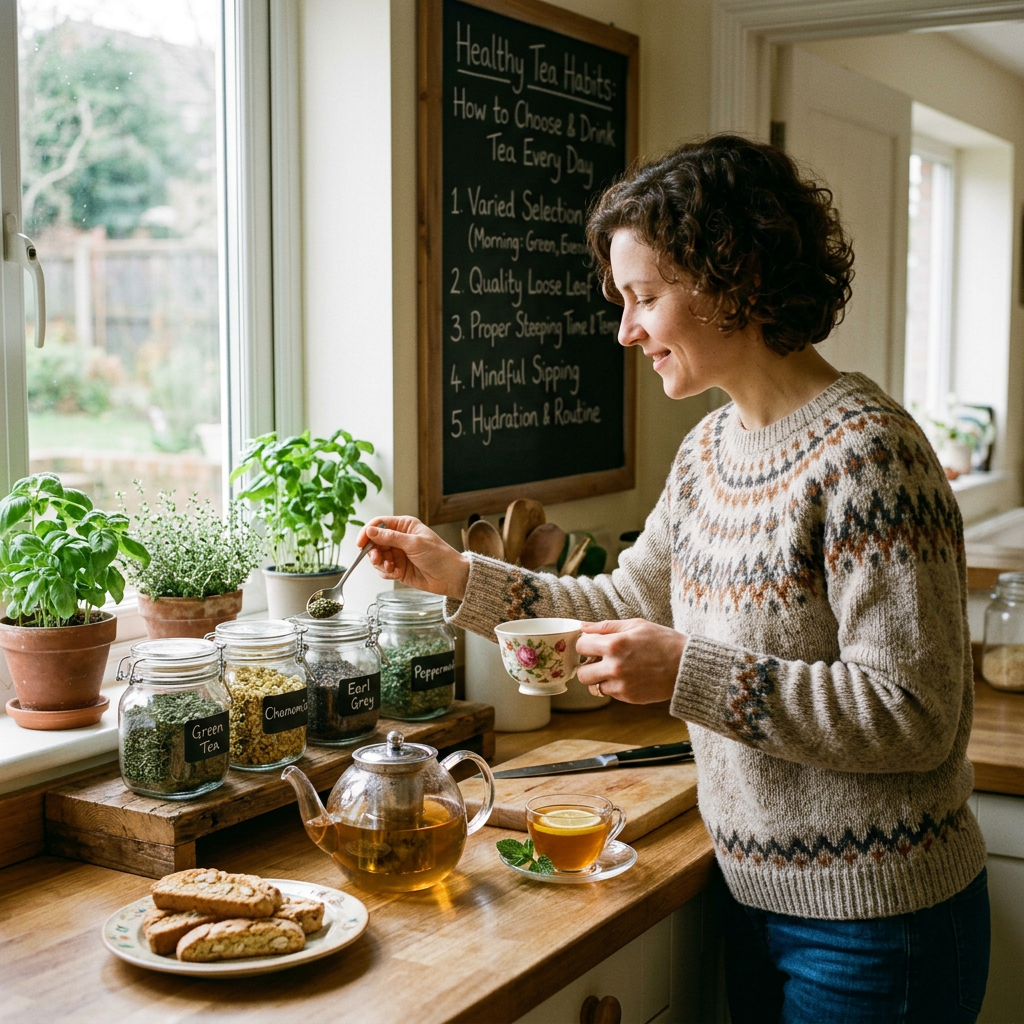
Key takeaways
- Green tea vs black tea versus oolong tea versus white tea vs Herbal tea – what is healthiest?
- The best tea for your overall health is probably the one that tastes good to you without needing added sugars!
- You could be consuming green, black, oolong, white or Herbal teas as part of a well-balanced diet.
- While most people associate Herbal tea with being caffeine free, this isn’t necessarily true. Yerba mate & guayusa both have natural caffeine in them.
- Although decaf tea has almost no caffeine; there’s still just enough left over to be detected by some tests.
- Even though tea can contribute to your total daily water intake (even if it contains a little bit of caffeine), you should also consider how much caffeine is contained within the tea itself.
- Individuals who suffer from anemia or have been diagnosed with low iron levels should take extra precautions while enjoying their tea. Some types of tea can actually interfere with the absorption of iron in foods which include iron rich foods consumed at the same time.
- Brewed tea and concentrate extracts are two different products:
- Drink tea for your health. It will help you stay on track with developing better eating habits, etc. But don’t count on tea alone for healthy eating, sleeping, exercise and/or proper medical attention.
What makes a tea habit healthy?
A healthy tea habit is simple, consistent, and realistic. It does not depend on detox claims or extreme rules.
For many people, this may mean drinking unsweetened tea instead of soda or sweetened coffee. For someone who has trouble sleeping, it may mean choosing a caffeine-free herbal tea in the evening. For someone with low iron, it may mean drinking tea between meals instead of with meals.
There is no single healthiest tea for everyone. The best choice depends on your caffeine tolerance, taste, health needs, medications, and usual diet.
Tea itself contains very few calories when it is brewed with water. The calories usually come from what is added afterward, such as sugar, honey, syrups, milk, cream, or toppings.
The main goal is not to find a magic tea. The goal is to make tea a useful part of your everyday routine.
Understanding the main types of tea
Before choosing the healthiest tea to drink daily, it helps to understand the difference between true tea and herbal tea.
True tea comes from the Camellia sinensis plant. This includes:
- Green tea
- Black tea
- Oolong tea
- White tea
- Pu-erh tea
- Decaffeinated versions of these teas
The differences come from how the leaves are grown, processed, and prepared.
Herbal tea is technically an herbal infusion, or tisane. It does not come from the tea plant. Common examples include:
- Chamomile
- Peppermint
- Ginger
- Hibiscus
- Rooibos
- Lemon balm
Many herbal teas are naturally caffeine-free. However, always check the label. Some plant-based drinks, including yerba mate and guayusa, contain caffeine even though they are not true tea.
Here is a general guide to common caffeine amounts:
| Tea type | Approximate caffeine per 8-ounce cup |
|---|---|
| Black tea | About 40 to 70 mg |
| Green tea | About 15 to 45 mg |
| Oolong tea | About 30 to 50 mg |
| White tea | About 15 to 35 mg |
| Decaffeinated tea | About 2 to 5 mg |
| Herbal tea | Usually 0 mg |
These figures are estimates. Caffeine can change based on the tea variety, amount of leaves, water temperature, steeping time, and serving size. The USDA FoodData Central database provides nutrition information for many tea and beverage products.
Choose unsweetened tea more often
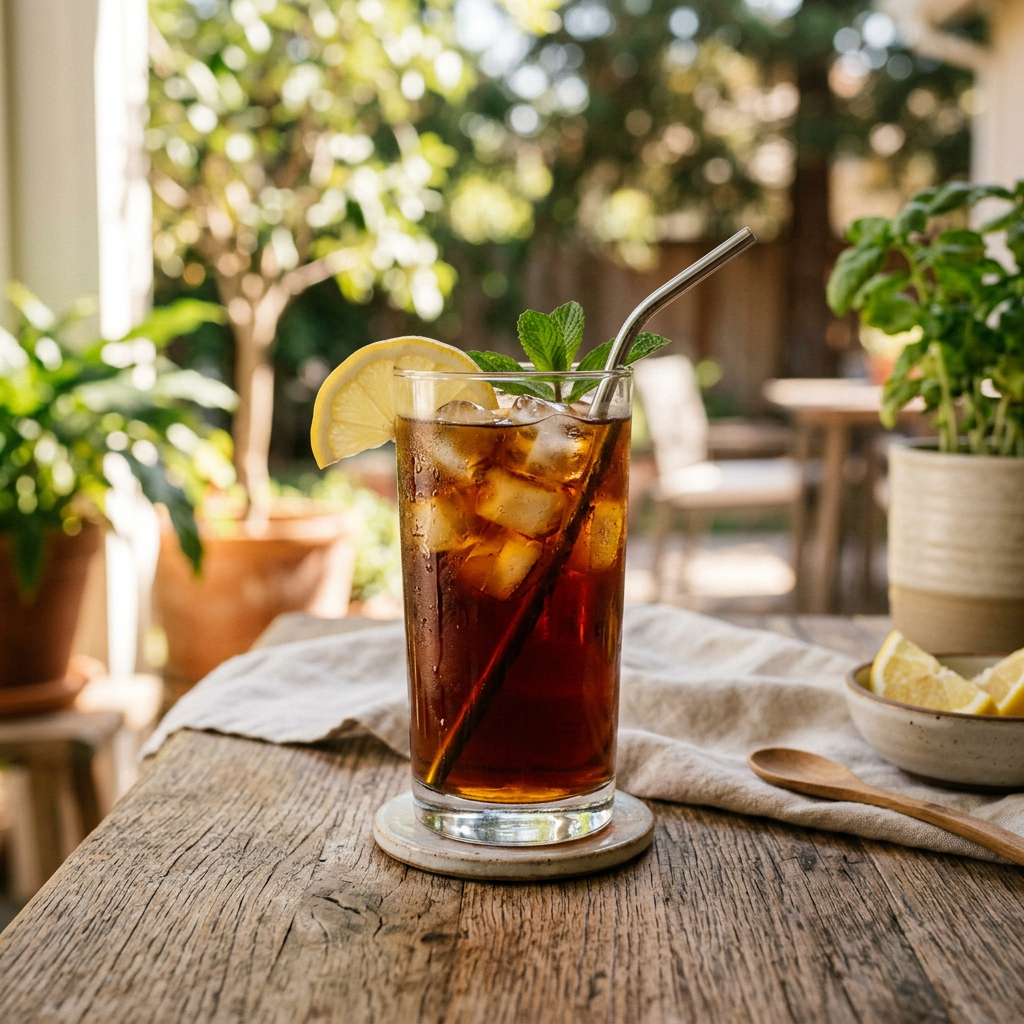
One of the simplest healthy tea habits is to drink tea without added sugar.
Plain brewed tea is usually very low in calories. Sweet tea beverages can be very different. Sugar may be added during brewing, mixed into bottled tea, or included through syrups and flavored powders.
The CDC explains that sweetened tea is a sugar-sweetened beverage. Regularly drinking these beverages can increase added-sugar and calorie intake.
You do not need to stop drinking sweet tea completely if you enjoy it. Instead, consider practical changes:
- Order a smaller size.
- Ask for half the usual syrup.
- Use less sugar at home.
- Choose unsweetened tea most of the time.
- Add lemon, lime, mint, ginger, or cinnamon for flavor.
- Compare nutrition labels on bottled tea.
- Remember that honey still counts as an added sweetener.
A drink can contain healthy-sounding ingredients and still provide a large amount of added sugar. For example, a bottled green tea may contain green tea extract but also include sugar or syrup as a major ingredient.
Choose tea based on your caffeine needs
Caffeine is not automatically unhealthy. The amount and timing matter.
The U.S. Food and Drug Administration states that up to 400 milligrams of caffeine per day is an amount not generally associated with negative effects for most healthy adults. This is a general guideline, not a personal target.
Some people may need less. You may be more sensitive to caffeine if you:
- Have anxiety or panic symptoms
- Experience heart palpitations
- Have trouble sleeping
- Are pregnant or breastfeeding
- Take certain medications
- Have a heart rhythm condition
- Drink coffee, energy drinks, soda, or pre-workout products in addition to tea
Caffeine may cause restlessness, fast heart rate, headaches, nausea, or poor sleep in sensitive people.
A healthy tea habit also includes counting caffeine from all sources. Two cups of black tea may be reasonable for one person but too much for someone who also drinks coffee and energy drinks.
If caffeine affects your sleep, try:
- Drinking caffeinated tea earlier in the day.
- Choosing green or white tea instead of black tea.
- Switching to decaffeinated tea.
- Choosing a caffeine-free herbal tea in the evening.
- Avoiding large servings of tea close to bedtime.
Decaffeinated tea is lower in caffeine, but it is not completely caffeine-free. If you need to avoid caffeine, check the label and choose a naturally caffeine-free herbal infusion.
Remember that tea contributes to hydration
Tea can count toward your daily fluid intake. Moderate amounts of caffeine do not mean that a cup of tea cancels out its own fluid content.
This makes tea a useful option for people who do not enjoy plain water. You can drink it hot or cold, with or without food, depending on your preferences and health needs.
Still, water should remain a regular part of your fluid intake. Tea should not be the only drink you consume.
You may need more fluids during hot weather, exercise, illness, or other situations that increase fluid loss. People with kidney, heart, or other medical conditions may have specific fluid instructions from their healthcare professional.
For a lower-calorie drink, try:
- Plain black tea
- Unsweetened green tea
- Unsweetened iced tea
- Peppermint tea
- Rooibos tea
- Hibiscus tea
- Ginger tea
- Chamomile tea
Be careful with large amounts of sweetened iced tea, bubble tea, and tea drinks made with syrups. These may provide more calories than expected.
Consider when you drink tea with meals
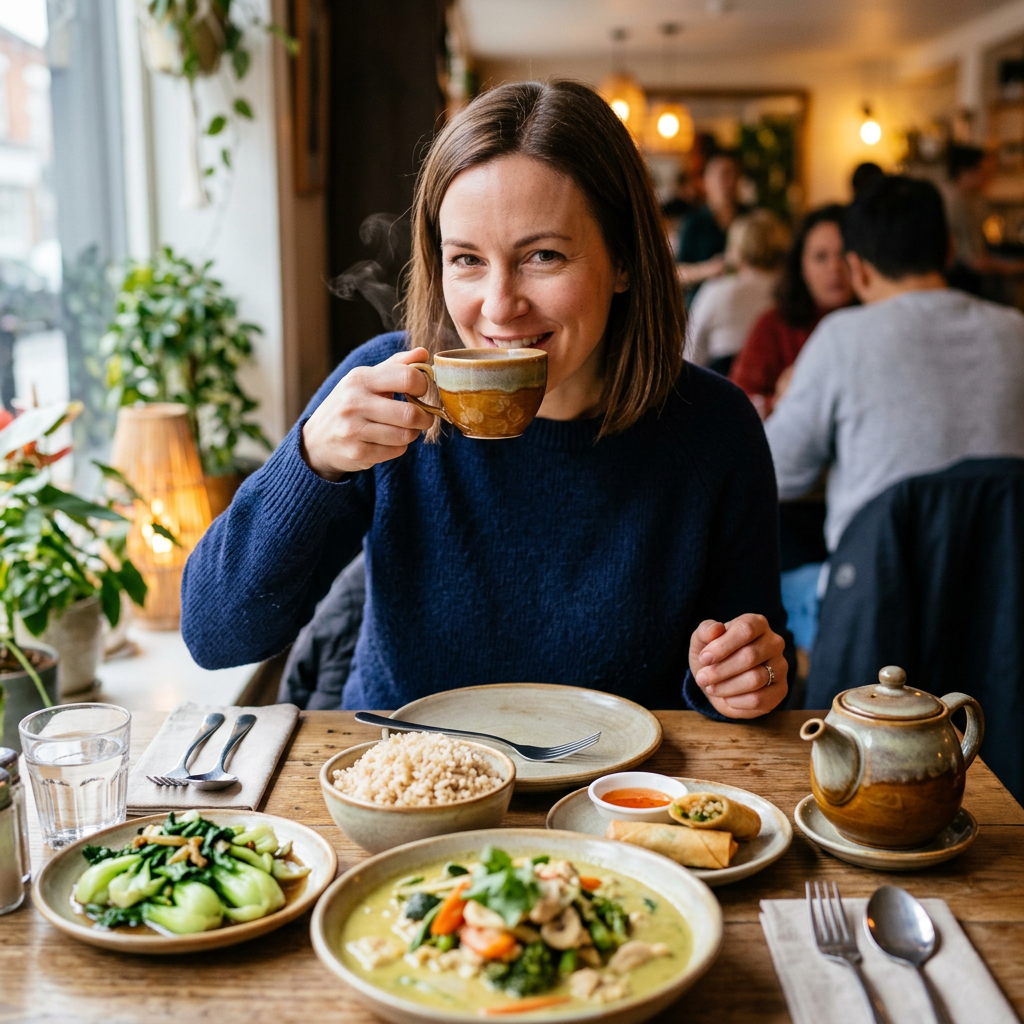
Tea can be part of a meal, but timing may matter for some people.
Tea contains plant compounds called polyphenols. These compounds may reduce the absorption of non-heme iron, which is the type of iron found in beans, lentils, tofu, spinach, fortified grains, nuts, and seeds.
This may be more important if you:
- Have iron-deficiency anemia
- Have low ferritin
- Eat a mostly plant-based diet
- Have heavy menstrual periods
- Are pregnant
- Have been advised to take an iron supplement
Research published in The American Journal of Clinical Nutrition found that tea can reduce the absorption of non-heme iron when consumed with a meal.
This does not mean everyone needs to avoid tea with food. It means people at risk of low iron may want to separate tea from iron-rich meals or iron supplements. Ask a healthcare professional for advice based on your lab results and diet.
You can also support iron absorption by eating plant-based iron sources with vitamin C foods, such as citrus fruit, bell peppers, strawberries, tomatoes, or broccoli.
Brew tea safely at home
Healthy tea habits also include safe preparation and storage.
Use clean water and follow the instructions on the package. Steeping time and water temperature affect taste, strength, and caffeine content. A longer steep may produce a stronger cup.
If you make iced tea, refrigerate it promptly instead of leaving it at room temperature for long periods. This is especially important for sweetened tea, which can spoil if handled poorly.
Good habits include:
- Wash pitchers and containers regularly.
- Use clean spoons and utensils.
- Refrigerate leftover tea.
- Follow storage instructions on bottled tea.
- Check expiration dates.
- Avoid drinking tea that looks, smells, or tastes unusual.
- Do not assume boiling or reheating will correct poor storage.
If you add milk or cream, refrigerate the drink when needed. Do not leave milk-based tea at room temperature for extended periods.
Be careful with concentrated tea products
Brewed tea and tea supplements are not the same thing.
A cup of brewed green tea contains a relatively small amount of naturally occurring compounds. A green tea extract supplement may contain a much higher concentration. Some products also combine tea extracts with caffeine, bitter orange, guarana, or other stimulants.
The National Center for Complementary and Integrative Health notes that green tea as a beverage is generally considered safe for adults. Green tea extract can cause side effects, and rare cases of liver injury have been reported.
Do not assume a tea capsule, powder, gummy, or liquid extract has the same safety profile as a brewed cup of tea.
If you use a tea supplement:
- Read the Supplement Facts label.
- Check the serving size.
- Avoid combining several stimulant products.
- Follow the instructions.
- Do not exceed the recommended amount.
- Discuss it with a healthcare professional if you take medication.
- Stop using it if you develop concerning symptoms.
A healthy tea habit usually relies on brewed tea rather than concentrated products marketed as metabolism boosters or fat burners.
Build a realistic daily tea routine
A good routine should fit your schedule. It does not need to include a specific number of cups.
Here is one example:
Morning
Choose black, green, white, or oolong tea if you enjoy caffeine. Drink it with breakfast or after eating if that works well for you.
If you also drink coffee, consider the total caffeine from both beverages.
Afternoon
Try unsweetened iced tea or a second cup of your preferred tea. If caffeine affects your sleep, switch to a lower-caffeine or caffeine-free option.
Evening
Choose chamomile, peppermint, rooibos, ginger, or another caffeine-free herbal infusion. Check the label because some blends may contain caffeinated plants.
During meals
Drink water or tea based on your preferences. If you have low iron or have been told to take an iron supplement, ask your healthcare professional whether you should separate tea from meals or supplements.
This routine is only an example. Some people may prefer one cup per day. Others may enjoy several cups. The healthiest tea habit is one that does not cause side effects or replace important foods.
Tea and weight management
Tea may support weight management when it replaces a high-calorie drink. For example, replacing a sugary soda with unsweetened iced tea can reduce added sugar and calories.
That benefit comes from the substitution, not from a special fat-burning effect.
Caffeinated tea may have a modest effect on energy use, but it should not be treated as a weight-loss treatment. Weight management depends on many factors, including food intake, physical activity, sleep, stress, medications, genetics, and health conditions.
Be cautious of claims that a tea will:
- Melt fat quickly
- Prevent weight gain without lifestyle changes
- Work while you sleep
- Cleanse your body
- Guarantee a specific amount of weight loss
- Replace meals
- Suppress appetite without side effects
A balanced diet, regular movement, adequate sleep, and medical support are more important than choosing a particular tea. You can also learn more about how to drink tea without adding extra calories from sugar, syrups, cream, and toppings.
Common tea habits that may need improvement
Even a product labeled healthy may not support your goals if the overall habit is not working well.
Drinking too much sweet tea
Large servings of sweet tea can add significant sugar. Try reducing the serving size or switching to unsweetened tea more often.
Drinking caffeine too late
Poor sleep can affect mood, appetite, and daily energy. Move caffeinated tea earlier in the day if it affects your sleep.
Assuming herbal means risk-free
Herbs can interact with medications and may not be suitable for everyone. Check the ingredient list and ask a healthcare professional if you have concerns.
Using tea instead of meals
Tea does not provide the full mix of protein, fiber, fats, vitamins, and minerals found in balanced meals.
Treating tea as medicine
Tea may be comforting and nutritious, but it should not replace prescribed treatment or professional medical advice.
Frequently asked questions
What is the healthiest tea to drink daily?
There is no single healthiest tea for everyone. Unsweetened green, black, white, oolong, and caffeine-free herbal teas can all fit into a balanced diet. The best choice depends on your caffeine tolerance, health needs, preferences, and medications.
Can I drink tea every day?
Many healthy adults can drink tea daily in moderate amounts. Pay attention to total caffeine intake, added sugar, sleep quality, and any symptoms. People who are pregnant, breastfeeding, sensitive to caffeine, or taking medication should ask a healthcare professional about their personal limit.
Is green tea healthier than black tea?
Neither is automatically healthier for everyone. Both come from the same tea plant but are processed differently. Green tea usually contains less caffeine than black tea, although the amount varies. Choose the type you enjoy and can drink without excess sugar or unwanted side effects.
Is herbal tea always caffeine-free?
No. Chamomile, peppermint, rooibos, and many other herbal infusions are naturally caffeine-free. Yerba mate and guayusa are plant-based beverages that contain caffeine. Read the label if you are trying to avoid caffeine.
Is decaf tea completely caffeine-free?
No. Decaffeinated tea usually contains a small amount of caffeine. If you need to avoid caffeine completely, look for a naturally caffeine-free herbal tea and check the product label.
Can tea help with weight loss?
Tea may help indirectly when it replaces sugary drinks or other high-calorie beverages. Some teas contain caffeine, which may have a modest short-term effect on energy use. However, tea is not a guaranteed weight-loss treatment and cannot replace balanced eating, movement, sleep, or medical care.
Is tea better than water for hydration?
Tea contributes to fluid intake, but water is still an important drink. Unsweetened tea can be a helpful option for people who want more variety. Avoid relying on highly sweetened tea beverages for hydration.
Should I drink tea with meals?
Many people can drink tea with meals without a problem. However, tea may reduce non-heme iron absorption. If you have anemia, low ferritin, heavy menstrual bleeding, or another risk for iron deficiency, ask a healthcare professional whether to separate tea from meals or iron supplements.
Can I add honey to tea?
You can add honey if you enjoy it, but honey still counts as an added sugar. Use a small amount and consider unsweetened tea more often if you are trying to reduce calories or added sugar.
What should I do if tea causes a fast heartbeat or anxiety?
Stop drinking the tea and consider how much caffeine you consumed from all sources. Seek medical advice if symptoms are severe, persistent, or include chest pain, fainting, shortness of breath, or an irregular heartbeat.
Final thoughts
Drinking healthy amounts of tea doesn’t have to be based on rigid guidelines. Begin by making basic choices; such as drinking less sweet tea, being mindful of the amount of caffeine in the tea you are consuming, choosing brewed teas instead of highly concentrated tea extracts, or thinking about how the tea relates to your general health.
The best tea to drink every day is the type that is enjoyable for you, that you can consume regularly without adverse effects, and which you don’t rely on exaggerated health statements regarding. Tea may contribute to your overall hydration and help replace other high calorie sugary beverages; however, like all foods and beverages, it will only provide a portion of an overall balanced diet.
Enjoy a refreshing cup of All Day Slimming Tea as a simple addition to your daily weight loss and wellness routine.

Affiliate Disclosure: Some links on this page may be affiliate links. If you purchase something through one of these links, we may earn a small commission at no extra cost to you. We only recommend products and services we believe may be useful to our readers. Our opinions remain our own, and affiliate partnerships do not affect our reviews or recommendations.

One thought on “Healthy Tea Habits: How to Choose and Drink Tea Every Day”