
Tea Recipes
Tea Recipes: Simple Homemade Drinks for Every Routine
Tea can be a simple way to add more flavor to your daily drink routine. You can enjoy it hot or cold, with caffeine or without it, and with ingredients such as lemon, ginger, mint, cinnamon, cucumber, or fresh fruit.
Many brewed teas are naturally low in calories when prepared with water and served without added sugar. This makes them useful for readers who want an alternative to soda, sweet tea, juice, or heavily sweetened coffee drinks.
However, tea is not a magic weight-loss solution. A tea recipe may support a healthy routine when it replaces a higher-calorie beverage, but it does not guarantee fat loss. The most useful recipes are simple, enjoyable, and easy to prepare regularly.
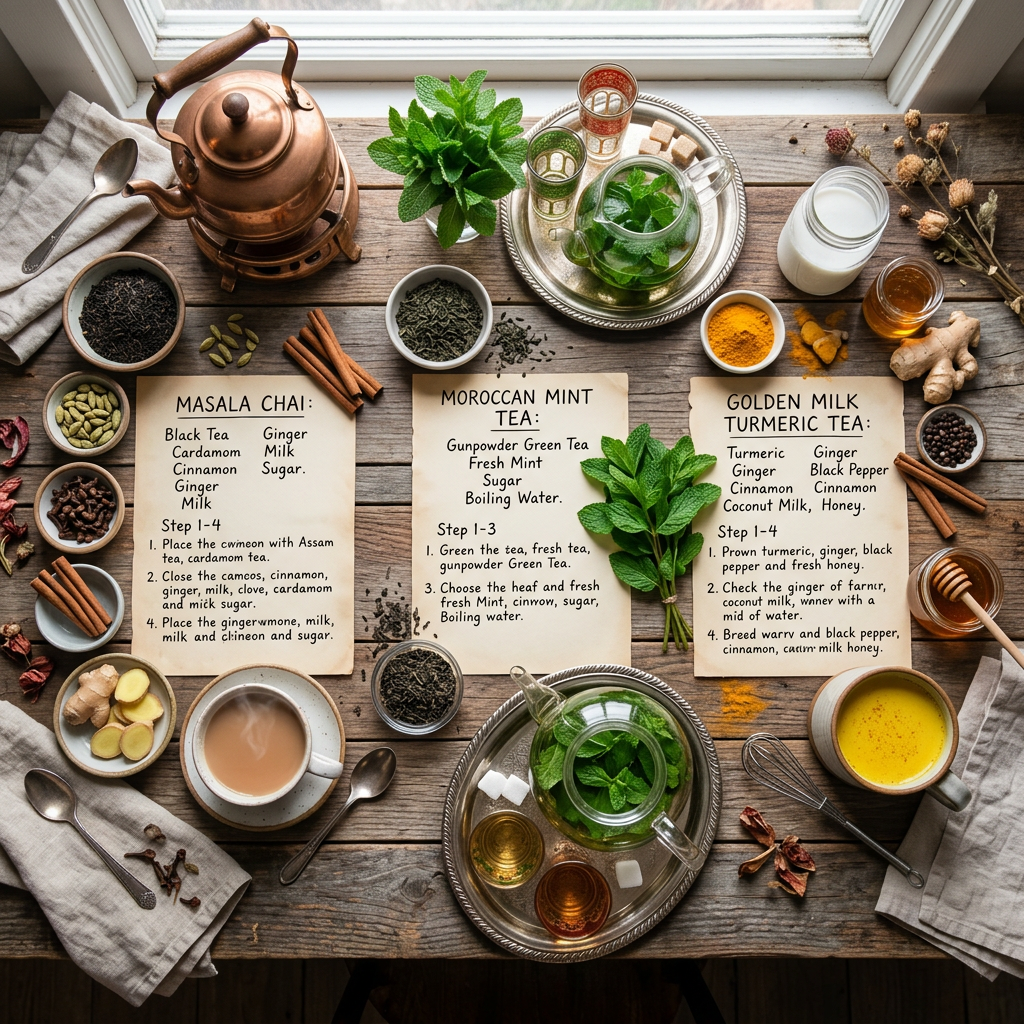
Tea recipes at a glance
| Tea recipe type | Caffeine | Approximate calories | Best for |
|---|---|---|---|
| Green tea with lemon | Usually yes | 0 to 5 | A light morning drink |
| Black tea with citrus | Yes | 0 to 5 | A stronger tea flavor |
| Hibiscus iced tea | No | 0 to 10 | A tart, refreshing drink |
| Ginger and turmeric tea | No, unless tea leaves are added | 0 to 10 | A warming homemade drink |
| Rooibos tea with cinnamon | No | 0 to 5 | An evening beverage |
| Herbal tea with fresh mint | Usually no | 0 to 5 | A caffeine-free option |
Looking for a convenient product to compare with homemade tea? You can review All Day Slimming Tea here and review its ingredients, directions, and format before deciding whether it suits your routine.
Affiliate disclosure: This page contains an affiliate link. If you purchase through the link, Weight Loss Tea Guide may earn a commission at no extra cost to you.
Start with these tea recipe guides
Low-calorie tea recipes
Plain brewed tea is usually low in calories. The ingredients added afterward often make the biggest difference.
Explore these practical recipes in Low-Calorie Tea Recipes: 8 Simple Drinks Without Added Sugar.
This guide explains how to use ingredients such as lemon, herbs, spices, and fruit while limiting sugar, honey, syrups, and heavy cream.
You can also read How to Drink Tea Without Adding Extra Calories for simple ways to keep your regular tea routine lighter.
Homemade slimming tea recipes
If you want several recipes in one article, read Slimming Tea Recipe: 5 Homemade Teas for a Balanced Routine.
That guide includes:
- Lemon basil green tea
- Orange ginger black tea
- Hibiscus cucumber tea
- Cinnamon vanilla rooibos
- Chamomile apple spice tea
These recipes are designed to add flavor without relying on large amounts of sugar. They should be viewed as drink ideas, not guaranteed weight-loss treatments.
How to build a simple tea recipe
You do not need many ingredients to make a flavorful cup of tea. A useful recipe usually has four parts.
1. Choose a tea base
Your base determines the flavor and caffeine level.
Common options include:
- Green tea
- Black tea
- White tea
- Oolong tea
- Rooibos
- Hibiscus
- Chamomile
- Peppermint
- Ginger tea
- Lemon balm tea
Green, black, white, and oolong teas are made from the tea plant and usually contain caffeine. Herbal infusions such as rooibos, chamomile, hibiscus, and peppermint are generally caffeine-free, but blended products can vary.
Always check the product label if caffeine is important to you.
For more information, read How Much Caffeine Is in Tea?.
2. Add a natural flavor
Fresh ingredients can make plain tea more enjoyable.
Try:
- Lemon
- Lime
- Orange peel
- Fresh ginger
- Mint
- Basil
- Cucumber
- Cinnamon
- Apple slices
- A small amount of vanilla extract
These ingredients can add aroma and flavor without contributing many calories to the drink.

3. Decide whether to serve it hot or cold
Hot tea is simple to prepare and works well with ginger, cinnamon, chamomile, and rooibos.
4. Keep sweeteners measured
Sugar, honey, syrup, and sweetened cream can change the calorie content of a drink quickly.
If you currently drink very sweet tea, reduce the sweetener gradually. You can also experiment with lemon, cinnamon, ginger, mint, or citrus peel.
The CDC explains that added sugars include sugars and syrups added when food or drinks are prepared. The CDC also recommends choosing unsweetened coffee and tea more often.
Herbal and caffeine-free tea recipes
Herbal tea can be a good choice if you want to avoid caffeine. It can also add variety to a daily drink routine.
Read Herbal Tea for Weight Loss: Essential Facts That Actually Help for information about herbal teas, beverage swaps, and realistic expectations.
You can also explore Best Caffeine-Free Teas for Weight Management.
Popular caffeine-free choices include:
- Rooibos
- Chamomile
- Peppermint
- Hibiscus
- Ginger
- Lemon balm
- Cinnamon herbal blends
Caffeine-free does not automatically mean risk-free. Some herbal ingredients may cause side effects or interact with medication. Check the label and ask a healthcare professional if you have concerns.

Tea recipes and weight management
Unsweetened tea can fit into a weight-management routine because it may replace drinks that contain more calories or added sugar.
For example, replacing a regular soda or sweet tea with plain iced tea may reduce the amount of sugar you drink. The CDC Rethink Your Drink guide provides examples of how beverage choices affect sugar and calorie intake.
This does not mean tea directly burns body fat. It also does not mean every tea product supports weight loss.
Read Can Tea Help With Weight Loss? for a research-based explanation of what tea may and may not do.
You may also find The Surprising Truth: Can Tea Replace Soda for Weight Loss? helpful if you are trying to make a simple beverage swap.
Green tea recipes
Green tea has a light flavor that works well with lemon, lime, mint, basil, ginger, and cucumber.
Try Green Tea for Weight Loss: What the Research Shows for a closer look at the research.
Green tea contains caffeine and natural compounds called catechins. Some research has examined whether green tea affects body weight, but any possible effect appears to be modest. Green tea should not be presented as a guaranteed weight-loss method.
Simple green tea combinations include:
- Green tea with lemon
- Green tea with fresh mint
- Green tea with ginger
- Green tea with cucumber
- Green tea with orange peel
- Green tea with basil
To reduce bitterness, avoid over-steeping green tea. Follow the directions on the package and allow the water to cool slightly before brewing if needed.
How to choose packaged tea
Some readers prefer packaged tea because it is convenient. If you buy a tea marketed for slimming or weight loss, read the label carefully.
Look for:
- A complete ingredient list
- Clear serving directions
- Caffeine information
- Manufacturer contact details
- Warnings and precautions
- A clear distinction between tea and supplements
- No unrealistic promises
Be cautious with products that promise rapid weight loss, belly-fat reduction, detoxification, or guaranteed results.
The NIH National Center for Complementary and Integrative Health explains that dietary supplements can have active ingredients, side effects, and medication interactions.
Read How to Choose a Weight Loss Tea: A Safe, Research-Based Guide before trying a packaged product.
Tea ingredients to use carefully
Some tea products contain ingredients that may cause unwanted effects.
These can include:
- Laxative herbs
- High amounts of caffeine
- Bitter orange
- Concentrated green tea extract
- Multiple stimulants
- Proprietary blends with unclear amounts
- Strong herbal combinations
Laxative tea may increase bowel movements, but this is not the same as losing body fat. Frequent use may also contribute to cramping, diarrhea, dehydration, or electrolyte problems.
Read Tea Ingredients to Avoid for Weight Loss for a safety-focused guide.
People who take medication, have a health condition, are pregnant, or are breastfeeding should ask a qualified healthcare professional before using concentrated herbal products or weight-loss supplements.
Key takeaways
- Homemade tea recipes can add flavor without many calories.
- Unsweetened tea may be a useful replacement for soda or sweet tea.
- Green and black tea usually contain caffeine.
- Rooibos, hibiscus, chamomile, and peppermint are generally caffeine-free, but labels can vary.
- Lemon, ginger, mint, cinnamon, and cucumber add flavor without much sugar.
- Honey and sugar still count as added sugars.
- Tea is not a guaranteed weight-loss treatment.
- Packaged slimming teas require careful label and ingredient review.
- Herbal products can cause side effects or interact with medication.
Frequently asked questions
What is the healthiest tea recipe?
There is no single healthiest recipe for everyone. A simple tea brewed with water and served without added sugar is usually a practical choice. You can add lemon, ginger, mint, cinnamon, or cucumber for more flavor.
Are tea recipes good for weight loss?
Some tea recipes may support a weight-management routine when they replace higher-calorie drinks. However, tea does not guarantee weight loss or directly target body fat.
What tea has no caffeine?
Rooibos, chamomile, hibiscus, peppermint, and many ginger infusions are naturally caffeine-free. Check the label because some blended products contain green tea, black tea, or other caffeinated ingredients.
How can I sweeten tea without adding many calories?
Try using lemon, lime, cinnamon, mint, ginger, orange peel, or a small amount of vanilla extract. If you use honey or sugar, measure the amount and include it in your daily intake.
Can I drink homemade tea every day?
Many people can enjoy ordinary brewed tea daily. Your choices should depend on the ingredients, caffeine level, serving size, and your health. Avoid using laxative tea as a daily weight-loss method.
Is herbal tea safer than regular tea?
Not automatically. Herbal teas may be caffeine-free, but some herbs can cause side effects or interact with medicines. Read the ingredients and seek professional advice if you take medication or have a medical condition.
How long does homemade iced tea last?
Store homemade iced tea in a covered container in the refrigerator and use it within a few days. Discard it if the taste, smell, or appearance changes.
Does adding lemon make tea better for weight loss?
Lemon can add flavor with very few calories, but it does not make tea a guaranteed weight-loss drink. Its main benefit is that it may help you enjoy tea without adding sugar.
Final thoughts
Tea recipes can make a healthy beverage routine more enjoyable. Start with a simple base, add fresh ingredients for flavor, and keep added sugar modest.
Use tea as part of a broader routine that includes balanced meals, regular movement, adequate sleep, and enough water. Choose recipes and products based on realistic expectations rather than promises of rapid weight loss.
For more recipe ideas, begin with Low-Calorie Tea Recipes and Slimming Tea Recipe: 5 Homemade Teas for a Balanced Routine.
Looking for another option to explore? The banner below features All Day Slimming Tea. Review its ingredients, directions, and format to decide whether it fits your weight-management goals.

Health disclaimer: This page is for general educational purposes only and is not medical advice. Herbal ingredients and tea products may not be suitable for everyone and may interact with medication. If you are pregnant, breastfeeding, managing a health condition, taking medication, or considering a concentrated supplement, speak with a qualified healthcare professional before using herbal products regularly. Results vary, and tea is not a guaranteed weight-loss solution.
