
Tea Ingredients and Safety
Tea Ingredients and Safety: What to Know Before You Brew
Tea can be a simple, enjoyable drink. Many brewed teas contain few or no calories when served without added sugar. You can also choose from caffeinated teas, herbal infusions, and flavored blends.
However, not every tea product is the same.
A tea bag made with dried leaves or herbs is different from a capsule, liquid extract, powder, or “slimming tea” blend with several concentrated ingredients. The preparation method, serving size, caffeine level, and other ingredients can affect how a product fits into your routine.
This guide explains how to review common tea ingredients, understand product labels, and recognize claims that deserve caution. It also includes links to reliable health sources from the National Institutes of Health, the FDA, and other U.S. government agencies.
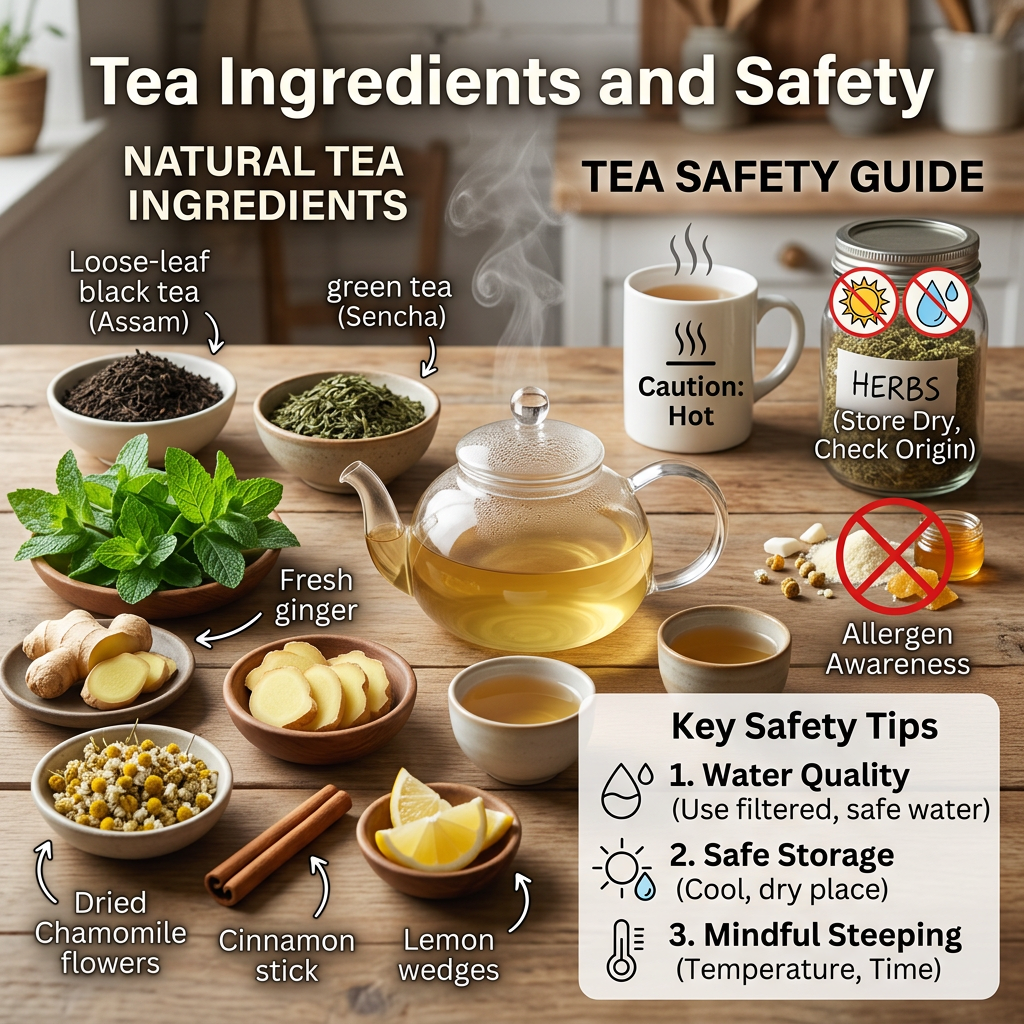
Tea ingredients and safety: what to check first
The table below gives a quick overview of common tea ingredients and what to consider before using them.
| Ingredient or product type | Common use | Main point to remember |
|---|---|---|
| Green tea leaves | Brewed tea and flavored blends | Contains caffeine, but brewed tea is different from green tea extract |
| Green tea extract | Capsules, powders, and weight-loss products | Concentrated products have different safety concerns |
| Ginger | Tea, spice blends, and digestive drinks | May cause heartburn, stomach discomfort, or irritation in some people |
| Turmeric | Golden tea and spice blends | Culinary turmeric differs from concentrated curcumin products |
| Cinnamon | Flavoring for tea and herbal blends | Common food amounts are generally considered safe |
| Senna | Laxative tea products | A laxative effect is not the same as body-fat loss |
| Hibiscus | Tart herbal tea and iced tea | Usually caffeine-free, but check the full blend |
| Chamomile | Relaxing evening tea | People with allergies or medication concerns should use caution |
| Caffeine | Green, black, white, and oolong tea | Total daily caffeine depends on serving size and other drinks |
If you are comparing a packaged option with homemade tea, you can review All Day Slimming Tea here and check the ingredients, directions, caffeine information, and product details before deciding whether it fits your goals.
Affiliate disclosure: This page contains an affiliate link. If you purchase through the link, Weight Loss Tea Guide may earn a commission at no extra cost to you.
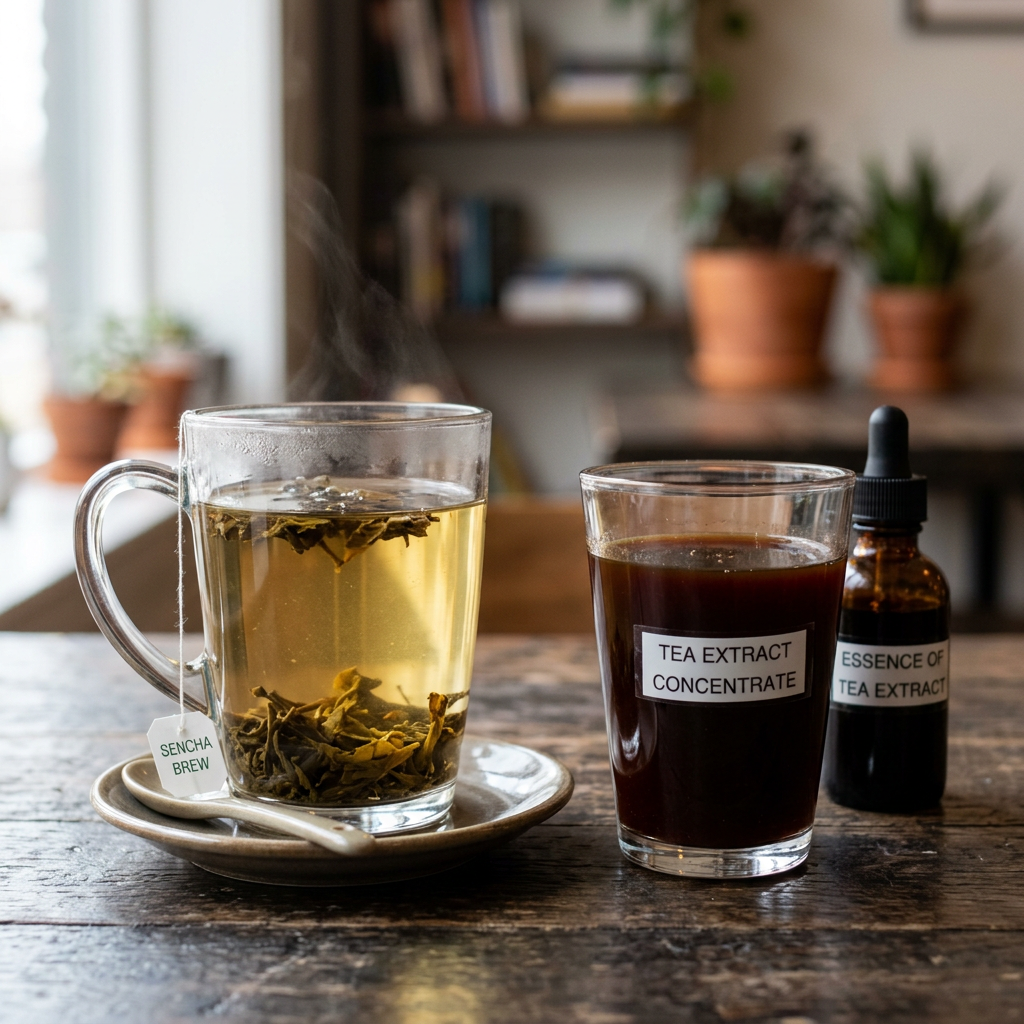
Brewed tea is different from a concentrated extract
One of the most important safety points is the difference between brewed tea and concentrated products.
When you brew tea, the amount of each ingredient can vary based on the type of tea, water temperature, steeping time, and serving size. A capsule or extract may contain a much higher and more controlled amount of an active compound.
For example, brewed green tea and green tea extract are not interchangeable. The National Center for Complementary and Integrative Health explains that green tea is generally safe when consumed as a beverage, while green tea extract products have been linked to liver problems in some people.
The same principle applies to turmeric. A small amount of turmeric used as a cooking spice is different from a high-dose curcumin supplement designed to increase absorption.
This does not mean every extract is unsafe. It means you should not assume that a food ingredient and a concentrated supplement have the same effects.
Common tea ingredients explained
Green tea
Green tea is made from the leaves of the Camellia sinensis plant. It contains caffeine and natural compounds called catechins.
Many people drink green tea as part of a healthy beverage routine. Research has examined green tea and body weight, but any possible weight-related effect is likely to be modest. Green tea should not be described as a guaranteed fat burner.
The bigger safety distinction involves green tea extract. Green tea extract is often found in capsules, powders, and weight-loss products. Some people have developed liver problems after using green tea extract products.
If you want the beverage, brewed green tea is a simpler option than taking a concentrated extract.
Read Green Tea and Weight Loss for more information about the evidence and realistic expectations.
Green tea extract
Green tea extract is a concentrated product. Some products contain high amounts of catechins, caffeine, or both.
The NCCIH reports that liver injury has occurred in some people who used green tea products, mainly extract products in tablet or capsule form. Signs of possible liver injury can include unusual tiredness, nausea, poor appetite, dark urine, or yellowing of the skin or eyes.
Stop using a product and seek medical advice if you notice concerning symptoms.
The safety of a green tea extract may also depend on:
- The amount used
- Whether it is taken with food
- Other ingredients in the product
- Your health history
- Medicines you take
- How long you use it
Do not assume that a supplement is safer because it is labeled natural.
Ginger
Ginger adds a warm, spicy flavor to tea. It is common in homemade recipes and packaged herbal blends.
The NCCIH ginger guide reports that oral ginger can cause side effects such as abdominal discomfort, heartburn, diarrhea, and irritation of the mouth or throat.
If you have a sensitive stomach, start with a small amount. Stop using it if it causes discomfort.
Talk with a healthcare professional before using ginger supplements if you take medication. NCCIH explains that herbs and medicines can interact in harmful ways. This concern is more important with concentrated supplements than with a small amount used in a cup of tea, but individual factors still matter.
Turmeric and curcumin
Turmeric is a yellow spice often used in golden tea recipes. Curcumin is one of turmeric’s main compounds.
A small amount of turmeric in food or tea is different from a concentrated curcumin supplement. Some supplements are designed to improve curcumin absorption. The NCCIH reports that liver damage has occurred with some highly bioavailable curcumin formulations.
The NCCIH turmeric guide also explains that conventional oral turmeric or curcumin products are likely safe in recommended amounts for up to two or three months, although individual risks can vary.
Be cautious with products that:
- Use very high doses
- Promise rapid weight loss
- Claim to detox the liver
- Contain several stimulants
- Use a proprietary blend without exact amounts
- Include added ingredients designed to increase absorption
For a simple recipe, use a modest amount of culinary turmeric rather than treating the drink like a supplement.
Cinnamon
Cinnamon adds sweetness and warmth without requiring sugar.
The NCCIH cinnamon guide states that cinnamon is likely safe in the amounts commonly used in food as a spice or flavoring. Larger amounts or long-term use may cause side effects, including gastrointestinal problems or allergic reactions.
Cinnamon products can vary. A tea bag with a small amount of cinnamon is not the same as a concentrated cinnamon supplement.
If you take medicine or plan to use cinnamon in large amounts, ask a healthcare professional for guidance.
Senna
Senna is a laxative ingredient found in some teas marketed for weight loss, cleansing, or detoxing.
A laxative effect does not mean that a product is burning body fat. It may increase bowel movements and change water content in the digestive system, but that is not the same as sustainable weight loss.
Be cautious with products that encourage daily use of laxative tea for weight management. A product that causes cramping, diarrhea, or frequent bowel movements may not be appropriate for regular use.
If a tea contains senna, read the directions carefully and ask a pharmacist or healthcare professional if you are unsure whether it is suitable for you.
Hibiscus
Hibiscus tea has a tart flavor and a deep red color. It is often served hot or iced and is usually caffeine-free when made without tea leaves.
Hibiscus can be combined with lemon, mint, ginger, berries, or citrus peel. Check the ingredient label because some blends contain green tea, black tea, added sugar, or other herbs.
Do not assume that a caffeine-free tea is suitable for everyone. Herbal ingredients can still interact with medicines or cause side effects.
Chamomile
Chamomile is commonly used in evening tea blends. It has a mild floral flavor and is usually caffeine-free.
People with allergies to certain plants may need to use caution. Ask a healthcare professional before using chamomile regularly if you take medication or have a known plant allergy.
A chamomile tea bag is different from a concentrated chamomile extract. Review the label to determine which type of product you are using.
Peppermint and mint
Mint can add a cool flavor to tea without sugar. It works well in iced tea, green tea, hibiscus tea, and simple water infusions.
Some people with reflux or heartburn may find that mint makes their symptoms worse. If you notice discomfort, reduce the amount or choose another flavor.
Mint tea is not a weight-loss treatment. Its main value is flavor, which may help you enjoy an unsweetened drink.
How to read a tea label
Before buying a packaged tea, review the entire label instead of relying only on the product name.
Check the serving size
A label may describe one tea bag as a serving, but the suggested routine may involve several cups per day. Calculate the total amount of caffeine and other active ingredients based on how much you plan to drink.
Read the full ingredient list
Look for the names and amounts of all ingredients. Be cautious when a product lists a proprietary blend without showing the amount of each ingredient.
A clear label should help you identify:
- Tea leaves
- Herbal ingredients
- Caffeine sources
- Sweeteners
- Laxative ingredients
- Vitamins and minerals
- Extracts
- Flavoring ingredients
- Allergens
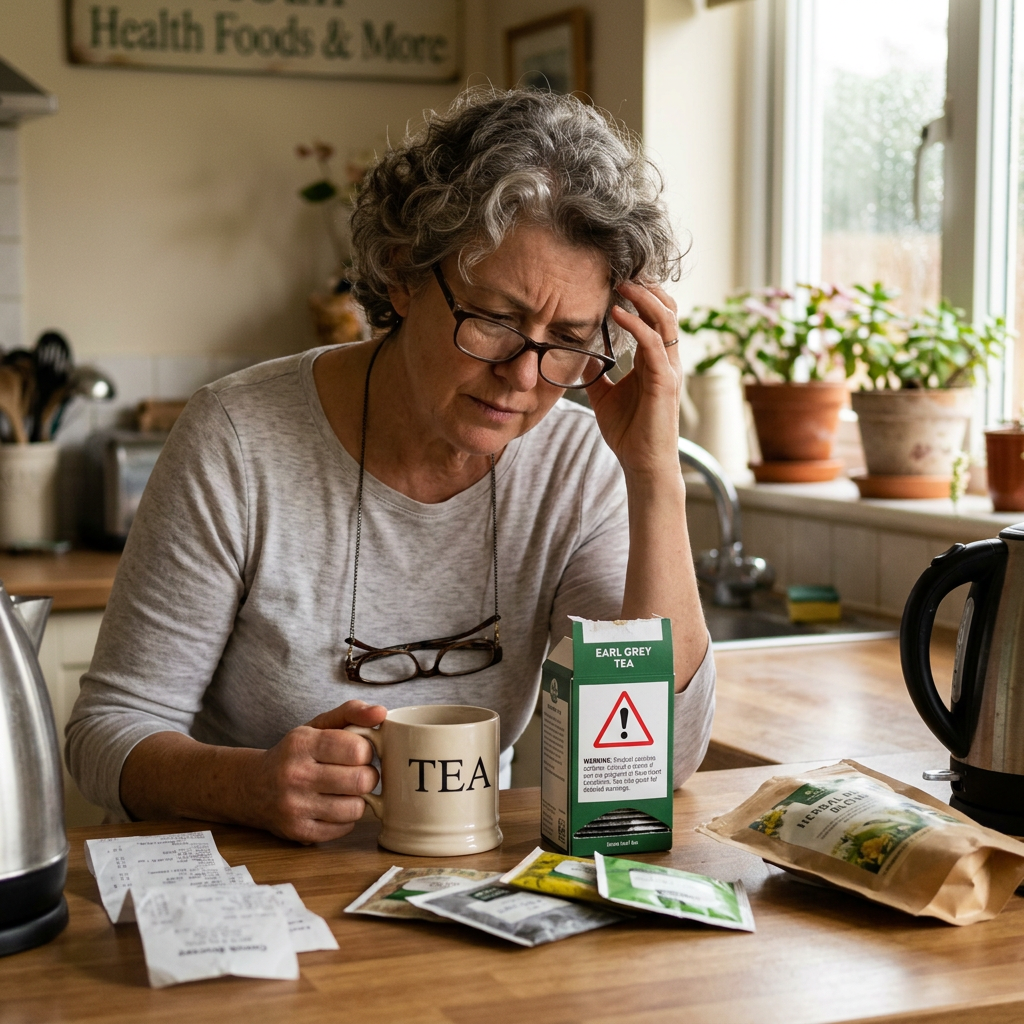
Look for warnings
Pay attention to warnings for pregnancy, medication use, allergies, age limits, and health conditions.
The FDA explains that dietary supplements can change how medicines are absorbed, processed, or removed from the body. Combining supplements and medicines can sometimes create dangerous effects.
Check the directions
Do not assume that more tea produces better results. Follow the serving directions and avoid combining several products with similar ingredients.
For example, using a caffeinated tea, a pre-workout drink, and a caffeine supplement on the same day can make it difficult to estimate your total caffeine intake.
Separate food claims from disease claims
The FDA does not approve dietary supplements for safety and effectiveness before they reach the market in the same way it approves medicines.
Be cautious with products that claim to:
- Cure a disease
- Treat obesity
- Melt belly fat
- Remove toxins
- Replace medication
- Produce guaranteed results
- Cause rapid weight loss
The FDA dietary supplement guide explains how supplements are regulated and why consumers should review claims carefully.
Caffeine in tea
Caffeine occurs naturally in green tea, black tea, white tea, and oolong tea. The amount varies based on the tea type, serving size, brewing time, and product.
The FDA says that 400 milligrams of caffeine per day is an amount not generally associated with negative effects for most adults. However, people vary in how they respond to caffeine.
Too much caffeine may contribute to:
- Nervousness
- Restlessness
- Trouble sleeping
- Fast heartbeat
- Stomach upset
- Headaches
- Shakiness
Caffeine can also come from coffee, energy drinks, soda, chocolate, pre-workout products, and some supplements.
Read How Much Caffeine Is in Tea? for a more detailed comparison.
If you are pregnant, breastfeeding, sensitive to caffeine, or taking medication, ask a healthcare professional how much caffeine is appropriate for you.
For an evening drink, choose a caffeine-free option such as rooibos, chamomile, hibiscus, or peppermint. Check the label because some blends combine herbal ingredients with green or black tea.
Tea ingredients and weight-loss claims
Many teas are marketed with phrases such as “fat burner,” “detox,” “metabolism booster,” or “appetite control.”
These phrases do not prove that a tea will produce meaningful weight loss.
The NIH Office of Dietary Supplements explains that evidence for weight-loss supplements is often inconclusive and unconvincing. The NCCIH also warns that some products marketed for weight loss have not been tested for safety and may contain hidden prescription drugs or illegal ingredients.
A more realistic way to view tea is as a beverage choice.
An unsweetened tea may help you replace:
- Regular soda
- Sweet tea
- Sugary coffee
- High-calorie juice
- Sweetened energy drinks
That beverage swap may reduce added sugar and calories. The benefit comes from the overall change in your routine, not from a guaranteed fat-burning effect.
Read Can Tea Help With Weight Loss? for a balanced explanation.
Simple ways to make tea safer
Use these habits when preparing homemade tea or choosing packaged products:
- Use food-level amounts of herbs and spices in homemade recipes.
- Follow the package directions for prepared products.
- Avoid stacking several stimulant or weight-loss products.
- Track caffeine from all drinks and supplements.
- Choose products with complete ingredient lists.
- Avoid products that promise rapid or guaranteed results.
- Do not use laxative tea as a fat-loss method.
- Ask a pharmacist about possible medication interactions.
- Stop using a product if it causes concerning symptoms.
- Keep supplements and concentrated products away from children.
For simple drink ideas, visit Tea Recipes and Low-Calorie Tea Recipes.
When to ask a healthcare professional
Speak with a doctor or pharmacist before using herbal products regularly if you:
- Take prescription medication
- Take over-the-counter medication
- Are pregnant or breastfeeding
- Have liver or kidney problems
- Have diabetes
- Have high blood pressure
- Have a bleeding disorder
- Have frequent heartburn
- Have known allergies
- Are preparing for a medical procedure
- Are considering a concentrated extract
- Are thinking about giving a weight-loss product to a child
The NCCIH safety overview and its information about herb and medicine interactions are useful starting points.
This advice does not mean that every cup of herbal tea is dangerous. It means that the risk depends on the ingredient, amount, preparation, health condition, and other products you use.
Key takeaways
- Brewed tea and concentrated supplements are not the same product.
- Green tea is different from green tea extract.
- Some highly bioavailable curcumin products have been linked to liver problems.
- Ginger may cause heartburn, abdominal discomfort, diarrhea, or mouth irritation in some people.
- Cinnamon is generally safe in ordinary food amounts, but larger amounts may cause problems.
- Senna acts as a laxative and should not be confused with fat loss.
- Herbal products can interact with prescription and over-the-counter medicines.
- The FDA does not approve dietary supplements for safety and effectiveness before marketing.
- Caffeine levels vary by tea type, serving size, and brewing method.
- A complete ingredient list is more useful than a bold product claim.
- Unsweetened tea may support a healthy beverage routine, but it is not a guaranteed weight-loss treatment.
Frequently asked questions
Are herbal teas safe?
Many people can drink common herbal teas without problems. However, herbal products are not automatically safe for everyone. Some may cause side effects or interact with medication. Read the ingredient list and ask a healthcare professional if you have concerns.
Is brewed green tea safer than green tea extract?
Brewed green tea and green tea extract have different concentrations and safety considerations. The NCCIH reports that green tea extract products have been linked to liver problems in some people, while green tea as a beverage is generally considered safe for adults.
Is turmeric tea safe every day?
A small amount of turmeric used in food or tea is different from a concentrated curcumin supplement. If you plan to drink turmeric tea every day, use modest amounts and ask a healthcare professional if you take medication, have a health condition, or are considering a concentrated product.
Does senna tea help burn fat?
No. Senna is a laxative ingredient. Increased bowel movements or temporary changes in water weight do not equal body-fat loss. Do not use senna tea as a regular fat-loss method.
How can I tell whether a slimming tea is trustworthy?
Look for a complete ingredient list, clear serving directions, caffeine information, manufacturer details, and realistic wording. Be cautious with products that promise rapid weight loss, detoxification, or guaranteed results.
Is caffeine-free tea always safe?
No. Caffeine-free only describes the caffeine content. Herbal ingredients may still cause side effects or interact with medication. Check all ingredients, not just the caffeine statement.
Can I drink herbal tea while taking medication?
Ask a doctor or pharmacist first. The FDA warns that dietary supplements can affect how medicines are absorbed, processed, or removed from the body. The risk depends on the herb, the amount, and the medicine.
Are tea bags healthier than loose-leaf tea?
Neither option is automatically healthier. The important factors include the ingredients, serving size, caffeine level, added sugar, and how the tea fits into your routine.
Can tea replace meals?
No. Tea should not replace balanced meals or prescribed nutrition plans. A healthy routine still needs adequate calories, protein, fiber, vitamins, and minerals.
What is the best tea for weight management?
There is no single best tea for everyone. An unsweetened tea that you enjoy and can use instead of a high-calorie beverage may be a practical choice. The tea itself does not guarantee weight loss.
Final thoughts
Tea can be a simple way to enjoy more flavor without adding many calories. The safest approach is to understand the difference between brewed tea, herbal infusions, extracts, and supplements.
Choose products with clear labels. Measure added sweeteners. Keep track of caffeine. Be cautious with laxative ingredients and concentrated extracts. Most importantly, avoid treating tea as a quick fix for weight loss.
For more practical guidance, read Tea Ingredients to Avoid for Weight Loss, Caffeine-Free Teas, and How to Drink Tea Without Adding Extra Calories.
Looking for another option to explore? The banner below features All Day Slimming Tea. Review its ingredients, directions, and format to decide whether it fits your weight-management goals.

Health disclaimer: This article is for general educational purposes only and is not medical advice. Tea ingredients, herbal products, and supplements may not be suitable for everyone and may interact with medications. If you are pregnant, breastfeeding, managing a health condition, taking medication, or considering a concentrated extract, speak with a qualified healthcare professional before using it regularly. Do not use tea as a replacement for prescribed treatment.
