
How to Drink Tea Without Adding Extra Calories: Enjoy Every Sip
Written by Alex McKenzie
Plain brewed tea is extremely low in calorie content. Most an 8-oz cup of unsweetened black tea will have approximately 0 to 3 calories. Likewise, green tea, decaf tea and most herbal teas will be low-calorie if brewed with water.
A few labels will show “plain” tea as having 0 calories. This is due to rounding numbers. Any additional calories added to your tea will generally come from whatever you add after it is brewed (such as sugar, honey, milk/cream, flavored syrups, juice or sweetened bottled tea).
How to drink tea without adding extra calories? Start by consuming unsweetened brewed tea. Afterward add flavor using fruit, herbs/spices. Always measure the amount of milk/sweetener that you are going to add and always read the label.
Health note: This article is for general education. Tea is not a guaranteed weight loss treatment. Your overall eating pattern, activity, sleep, health conditions, and medications can all affect your health and weight.
Key Takeaways
- Drink regular (plain) brewed tea that is typically zero to three calories in an 8 oz. cup.
- Avoid adding large amounts of sugar, honey, creamers, syrups and bottled teas with sugar; these will add calories to your beverage.
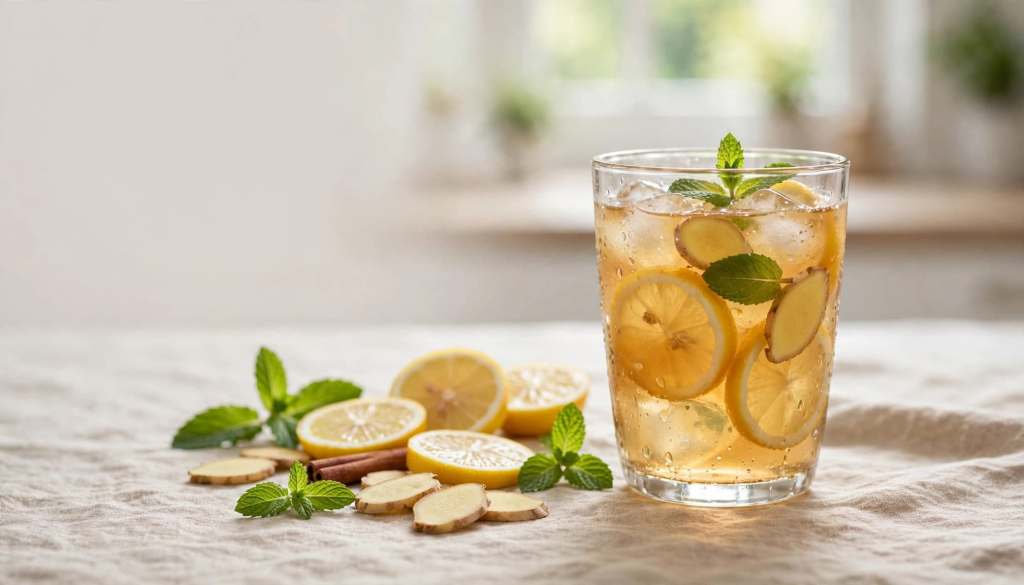
- Use lemon, lime, herbs and spices to add taste without adding calories. Use a little bit of fruit when you want to add some additional flavors.
- When using milk or sweetener, use measuring cups and spoons rather than just “pours”.
- Read the nutrition label when selecting a tea product. Read the serving sizes, number of calories, total grams of sugar and added sugars.
- Do not treat tea latte’s, bubble tea, chai concentrate or smoothie drinks as being the same as plain brewed tea.
- If quitting all added sugar cold turkey seems too difficult then quit one type of added sugar at a time until you have eliminated ALL types.
How to Drink Tea Without Adding Extra Calories
The simplest approach is to brew tea with water and leave out calorie-containing add-ins.
According to USDA FoodData Central, an 8-ounce cup of brewed black tea contains very few calories. It generally has about 0 to 3 calories, depending on the type of tea and serving size.
The same basic idea applies to many other teas:
- Black tea is very low in calories when plain.
- Green tea is also very low in calories when brewed with water.
- Decaf tea usually has a similar calorie profile to regular tea.
- Many herbal teas contain very few calories without added ingredients.
- Tea bags and loose leaf tea are both low in calories when the only added ingredient is water.
Plain tea may be labeled or rounded to zero calories, but about 0 to 3 calories is a more accurate description here.
Organic tea isn’t automatically lower in calories. The calorie difference comes primarily from what is brewed and what you add to the cup.
The tea itself is usually not the main source of calories. The extras matter more.
A spoonful of sugar, a large pour of cream, or flavored syrup can add more calories than the tea leaves. That doesn’t mean you must avoid every sweetened tea. It simply helps to know what’s in your cup.
For more information about the possible health effects of tea, read Can Tea Help You Lose Weight?. Tea may be part of a balanced routine, but it shouldn’t be treated as a magic solution.
Choose Unsweetened Hot or Iced Tea
Tea without sweeteners is usually a low-calorie choice whether you drink it hot, cold-brewed, or over ice.
The main difference comes from how the drink is prepared. Plain iced tea made with brewed tea and water remains very low in calories. Bottled iced tea made with sugar or syrup may contain much more.
The words on the front of a package don’t tell the whole story. Terms such as “natural,” “light,” “refreshing,” or “tea drink” don’t automatically mean the product is low in calories or sugar. Organic tea describes sourcing, not whether a bottled drink is low in calories.
Even a product that suggests zero calories should be verified on the Nutrition Facts label. The FDA guide to understanding the Nutrition Facts label explains how to read the serving size, calories, total sugars, and added sugars.
Pay special attention to the serving size. A bottle may look like one serving but contain two or more servings. If you drink the entire bottle, you need to count the calories and sugar from every serving.
For example, if a bottle lists 70 calories per serving and contains two servings, the full bottle contains 140 calories. The same calculation applies to sugar.
Build Flavor With Little or No Added Calories
Unsweetened tea may taste different if you’re used to sugary drinks. Your taste buds may need time to adjust. You can make the change easier with ingredients that add plenty of flavor and few calories.
Try these combinations:
- Green tea served with either lemon or lime
- Black tea made with a piece of fresh ginger & a sprinkle of cinnamon.
- Tea using peppermint leaves & an orange peel.
- Over ice with some berries.
- Chamomile tea made with fresh mint.
- A slice of cucumber in this tea.
- Small amount of unsweetened cocoa powder added to black tea.
- Cinnamon or vanilla extract added to rooibos tea.
- Lemon zest added to herbal tea.
- Basil or rosemary (fresh) added to iced tea
These ingredients add aroma, acidity, spice, or freshness. They can make tea feel more complete without the sugar found in many sweetened drinks.
Fruit contains natural sugar and calories. A small serving of fresh fruit, such as a lemon wedge or a few berries, usually adds only a small amount. The total can increase with fruit juice, purée, or larger servings.
Organic tea may have a different flavor profile, but it doesn’t guarantee zero calories when sweeteners or other additions are included.
The goal is to use small portions that add plenty of flavor, rather than promise zero calories.
You can also improve the taste with the right water temperature and steeping time. This is especially important with this variety, which can develop a bitter taste when brewed with water that’s too hot or steeped too long. Black tea can also become harsh when over-steeped. Follow the package instructions, or try a shorter brewing time.

Watch the Sugar, Honey, and Syrup
Sugar and honey are easy ways to increase the calories in tea.
Approximate calorie amounts include:
- 1 teaspoon of granulated sugar: about 16 calories
- 1 tablespoon of granulated sugar: about 48 to 50 calories
- 1 tablespoon of honey: about 64 calories
- 1 tablespoon of maple syrup: about 50 calories
- Flavored syrup: varies by product and serving size
The exact number depends on the product and the amount used. A teaspoon may not look like much, but several sweetened cups each day can add up.
For example, adding 1 teaspoon of sugar to three cups of tea adds about 48 calories per day. Using 1 tablespoon in each cup adds about 145 calories per day.
Honey is a natural sweetener, but it still contains calories and sugar, just as refined sugar does. Maple syrup, agave, coconut sugar, and other sweeteners also contribute calories and can affect blood sugar, though individual responses vary.
The FDA information about added sugars explains that added sugars include sweeteners added to foods and drinks during preparation or processing. This includes ingredients such as sugar, syrups, and honey.
You don’t need to stop using sweeteners immediately. Try a gradual change:
- Measure the amount you normally use.
- Reduce it by one-quarter.
- Keep that amount for several days.
- Reduce it again if the tea still tastes satisfying.
- Add lemon, cinnamon, mint, or ginger if you want more flavor.
This approach may feel easier than going from a very sweet drink to plain tea overnight.
What Is the Best Sweetener for Tea?
The lowest-calorie option is to use no sweetener. However, sugar substitutes may help if plain tea feels too difficult at first.
Common options include:
- Stevia
- Monk fruit
- Sucralose
- Saccharin
- Aspartame
Sugar substitutes may include artificial sweeteners, stevia, or monk fruit products. Taste varies. Some people notice a bitter or unusual aftertaste, while others prefer these options to refined sugar.
Check the product label because packets and liquid drops can contain blends of sweeteners or other ingredients. Products marketed as a natural sweetener may also include other additives. Monk fruit blends, for example, can differ in ingredients and sweetness. Serving sizes vary, too. A product that’s low in calories at one serving may contribute more if you use several servings.
People may choose these products to reduce refined sugar or manage blood sugar, but they don’t guarantee a specific health outcome. Low-calorie sweeteners are optional, and you don’t need them to make tea part of a balanced eating pattern. Slowly reducing sweetness is another option.
If you have diabetes, phenylketonuria, food allergies, or another health condition that affects your diet, ask your health professional which sweeteners are appropriate for you.
How Milk and Cream Change Tea Calories
Whether you choose milk or cream, portion size is the main calorie consideration in a lower-calorie tea routine.
A small splash may be one tablespoon, but pouring directly from the carton can easily add several tablespoons. Measuring your usual amount for a few days can show you how much you’re actually using.
Here are approximate calorie amounts for common ingredients:
| Ingredient | Approximate calories per tablespoon |
|---|---|
| Skim milk | 5 |
| 2% milk | 8 |
| Whole milk | 9 |
| Half-and-half | 20 |
| Heavy cream | 51 |
These are general estimates based on common U.S. products. Brands vary, so check the product label when you need an exact number. You can use USDA FoodData Central to compare foods and ingredients.
Plant-based milks also vary widely. Unsweetened almond milk may contain very few calories per tablespoon, while sweetened oat milk or coconut milk beverages may contain more. Always check whether the product is sweetened.
Milk tea, chai tea made with milk, and tea lattes differ from plain brewed tea. They can still fit into your routine, but they may contain meaningful calories from milk, sugar, syrup, or a prepared concentrate.
Try these changes if you want to lower the calorie content:
- Use a measured splash of milk.
- Choose unsweetened plant milk when you enjoy the taste.
- Replace heavy cream with a smaller amount of milk.
- Ask for less milk in a cafe drink.
- Skip whipped cream and flavored toppings.
- Ask for less syrup.
- Choose a smaller serving size.
The point isn’t to label a drink as good or bad. It’s to understand what you’re drinking.
A Quick Comparison of Common Tea Choices
| Tea choice | What it includes | Approximate calorie impact |
|---|---|---|
| Plain brewed tea, 8-ounce cup | Tea and water | About 0 to 3 calories |
| Tea with 1 teaspoon sugar | Plain tea and sugar | About 16 extra calories |
| Tea with 1 tablespoon sweetener | Plain tea and liquid sweetener | About 64 extra calories |
| Tea with 1 tablespoon skim milk | Plain tea and milk | About 5 extra calories |
| Tea with 1 tablespoon whole milk | Plain tea and milk | About 9 extra calories |
| Tea with 1 tablespoon half-and-half | Plain tea and half-and-half | About 20 extra calories |
| Tea with 1 tablespoon heavy cream | Plain tea and cream | About 51 extra calories |
| Sweetened tea latte, 1 serving | Tea, milk, and sweetener or syrup | Varies by recipe and size |
These figures are estimates for the listed serving sizes. Cafe recipes, bottled drinks, and packaged products can vary significantly, so check labels and recipe details when available.
Read Labels on Bottled Tea
Bottled tea can be convenient, but it is often different from tea brewed at home.
Some bottled teas contain added sugar. Others contain juice, sweetened fruit flavoring, syrup, or milk. A product may also contain natural sugars from juice or milk, even when it does not have added sugar.
Look for these items on the label:
- Serving size
- Number of servings per container
- Calories
- Total sugars
- Added sugars
- Ingredients
- Caffeine, if listed
The FDA explains that total sugars include both naturally occurring sugars and sugars added during processing. For example, milk and fruit can contain natural sugars. The added-sugar line appears separately on current Nutrition Facts labels.
The phrase “no added sugar” does not always mean “zero calories.” A drink may still contain calories from milk, fruit juice, or other ingredients.
An organic tea label also doesn’t guarantee a low-calorie bottled beverage. Juice, milk, syrup, or other ingredients may still add calories.
If you want a lower-calorie bottled tea, compare products with similar serving sizes. Choose the one with fewer calories and less sugar added during processing when that fits your preferences.
Be Careful With Cafe Tea Drinks
Cafe tea drinks can contain more calories than you expect from syrup, milk, cream, sweetened concentrates, toppings, and tapioca pearls.
Examples include:
- Chai tea lattes
- Matcha lattes
- Bubble tea
- Sweet tea
- Tea smoothies
- Milk tea
- Flavored iced tea
- Tea drinks made with fruit syrup
When ordering, ask a few simple questions:
- Is the tea already sweetened?
- Is the base brewed tea or a sweetened concentrate?
- Can I order half the syrup?
- Is unsweetened milk available?
- Can I skip the whipped cream or topping?
- What is the smallest size?
Make Lower-Calorie Tea Easy to Repeat
A tea habit is easier to maintain when the choices are convenient.
Try these ideas:
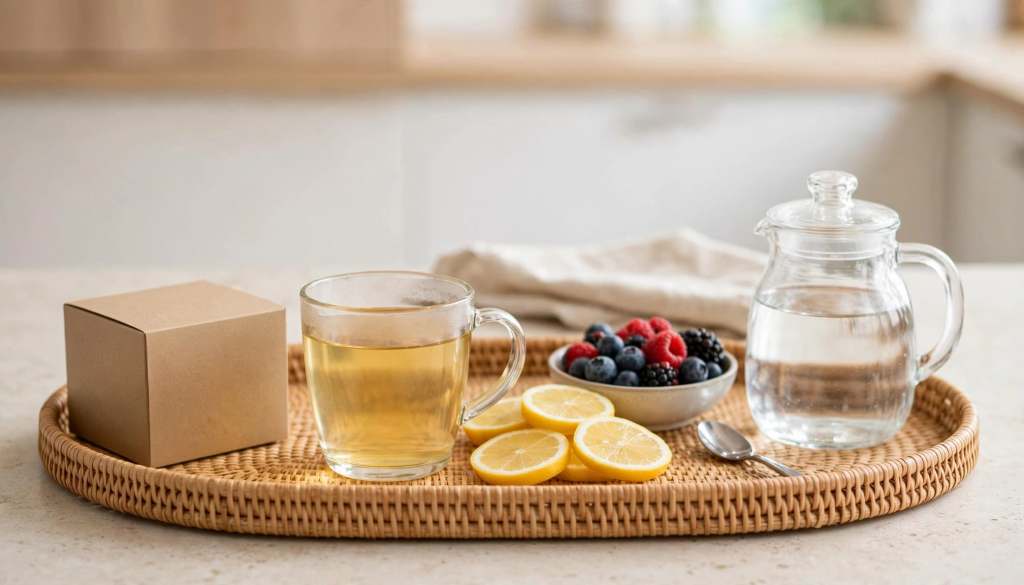
- Keep your tea, whether loose leaf or tea bag, in an easy to access spot so you can grab it as needed. It is worth noting that “organic” does not determine how many calories are present in your product.
- Store lemons, limes, mint and/or ginger near your other grocery items.
- You will find brewing a large pitcher of plain iced tea, placing it in the refrigerator, and consuming it over the next couple of days a convenient way to make a lot of plain iced tea at once.
- Find a reusable bottle for your plain brewed tea.
- As opposed to pouring sweetener or milk into your tea based on eye estimate (which typically results in too much), measure them in order to control the amount.
- If you consume a lot of tea and caffeine impacts your ability to fall asleep try decaf or herbal teas after a certain time each day.
For more information about caffeine levels, read How Much Caffeine Is in Tea?. Remember that some herbal blends contain caffeine-containing ingredients such as green tea, black tea, yerba mate, or guarana. Check the ingredient list if you are limiting caffeine.
Can You Drink Tea Without Sugar and Still Enjoy It?
Yes, but learning to enjoy tea without sugar can take time, especially if you’re accustomed to drinks sweetened with refined sugar.
Start by reducing the amount of sugar instead of removing it all at once. You can also switch from flavored syrup to cinnamon, mint, lemon, or ginger. Rooibos, chamomile, and certain fruit blends may be easier to enjoy naturally.
Both water temperature and steeping time can affect flavor. Over-steeping or using water that’s too hot can create a bitter taste, especially with green tea. Try shorter brewing times when needed.
You can also choose a better tea variety. If you dislike one plain tea, that doesn’t mean you dislike every tea without added sweetness.
Frequently Asked Questions
Does steeping tea longer add calories?
No. Steeping plain tea longer can make the flavor stronger or more bitter, but it doesn’t add meaningful calories. Calories increase when you add ingredients such as sugar, honey, milk, cream, juice, or syrup.
Are tea bags and loose leaf tea different in calories?
Plain tea bags and loose leaves are both very low in calories when brewed with water. Choose based on flavor, convenience, and quality.
Check the ingredients on blends labeled as dessert tea, latte mix, or sweet tea powder. Some products contain sugar, milk powder, creamer, or other calorie-containing ingredients.
Can cold-brewed tea stay low in calories?
Yes. Cold-brewing tea with water keeps it very low in calories. Place tea bags or loose leaves in cold water, steep the tea in the refrigerator, remove the leaves or bags, and serve it over ice.
Avoid adding sweetened juice, syrup, or sugar if you want to keep the drink low in calories. Use clean equipment and keep the finished tea refrigerated.
Does ice change the calories in tea?
Ice doesn’t add calories. It can dilute the tea as it melts.
If watered-down iced tea bothers you, brew the tea a little stronger before pouring it over ice. This changes the flavor, not the calorie content.
How can you make tea less bitter without sugar?
Avoid over-steeping the tea. You can also try slightly cooler water for green tea or a shorter steeping time for black tea.
Lemon, lime, cinnamon, mint, ginger, and orange peel can make the flavor more pleasant without adding the amount of sugar found in a sweetened drink.
What ingredients should you avoid in weight loss tea?
Be cautious with tea products that promise rapid weight loss, detoxification, or fat burning. Some products may contain stimulant herbs, laxative ingredients, or undisclosed blends.
Read Weight Loss Tea Ingredients to Avoid before buying a product marketed for weight loss. Speak with a health professional before using supplements, especially if you take medication or have a health condition.
A Lighter Cup Can Still Taste Good
When selecting an option that is lower in calories, consider that plain brewed tea typically has little to no calories. It’s the items added to the tea after brewing that tend to increase calorie counts.
To get started with using less calories, choose unsweetened tea and then find ways to add flavor to your tea using lemon, herbs, spices, or small amounts of fruit. If you want to add milk/cream or a sweetener to your tea, take a moment to measure the amount you plan to add and factor that into your overall options.
Bottled teas are often labeled; if you’re unsure about how many calories are in them, do some research before you buy. Also, if you go to a coffee shop and order something that contains tea (such as a chai latte, bubble tea or sweetened iced tea), while these may be enjoyable, they are certainly different from drinking plain brewed tea.
Small steps can help lead to making healthier habits out of a regular routine such as drinking tea all day long. Don’t try to create the “perfect” cup. Find ways to incorporate small healthy changes into each cup that both taste well and are simple enough for you to continue regularly.
Enjoy a refreshing cup of All Day Slimming Tea as a simple addition to your daily weight loss and wellness routine.

Sources: USDA FoodData Central, FDA Nutrition Facts Label Guide, and FDA guidance on added sugar labeling.

10 thoughts on “How to Drink Tea Without Adding Extra Calories: Enjoy Every Sip”