
Slimming Tea Recipe: 5 Homemade Teas for a Balanced Routine
Written by Alex McKenzie
A few things before I begin—if you’re interested in developing your own easy weight-loss slimming tea recipe, making your own tea at home can provide an additional dimension of enjoyment. You can add a little bit of taste while consuming fewer calories. The very best recipes make use of brewed tea, herbs, spices, citrus, or small amounts of fruit to create flavor.
As with all diets and exercise programs, there’s no magic formula to lose weight with homemade teas. Any unsweetened tea may help you manage your weight, as long as it replaces another high-calorie beverage such as soda, sweet tea, or juice.
Researchers have focused mainly on green tea in the weight-loss literature. Some data suggest that consuming the catechin components (and caffeine) of green tea could result in a minimal effect on body weight. The overall magnitude of this impact appears modest at best and somewhat variable..The NIH Office of Dietary Supplements explains that any weight effect from green tea is likely to be small.
These recipes focus on a practical goal: making unsweetened tea enjoyable enough to drink regularly.
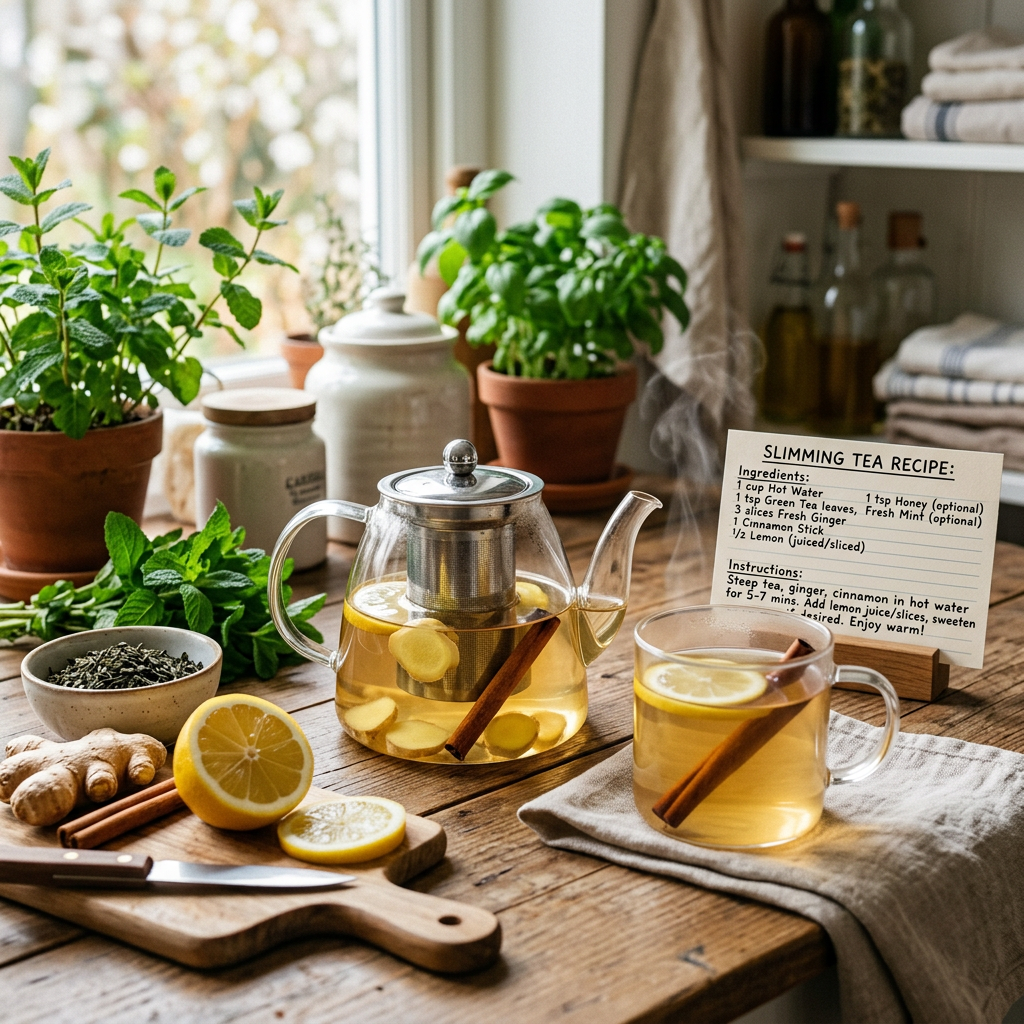
Quick comparison of the five recipes
The calorie estimates below assume that you do not add sugar, honey, syrup, or sweetened creamer. Actual calories depend on the ingredients and serving size.
| Recipe | Main ingredients | Caffeine | Approximate calories | Best for |
|---|---|---|---|---|
| Lemon basil green tea | Green tea, lemon, basil | Yes | 0 to 5 | A light morning drink |
| Orange ginger black tea | Black tea, orange peel, ginger | Yes | 0 to 5 | A stronger flavored tea |
| Hibiscus cucumber cooler | Hibiscus, cucumber, lime | No | 0 to 10 | A tart iced drink |
| Cinnamon vanilla rooibos | Rooibos, cinnamon, vanilla | No | 0 to 5 | An evening beverage |
| Chamomile apple spice tea | Chamomile, apple slice, cinnamon | No | 5 to 15 | A naturally sweet flavor |
Looking for a convenient ready-made option instead of preparing tea from scratch? You can review All Day Slimming Tea here and decide whether its ingredients and directions fit your personal routine.
Affiliate disclosure: This is an affiliate link. If you purchase through it, Weight Loss Tea Guide may earn a commission at no extra cost to you. Always review the product label before using a packaged tea or supplement.
What makes a homemade slimming tea recipe useful?
A homemade tea recipe can support your routine in three practical ways.
First, plain brewed tea is usually very low in calories. This makes it different from sweet tea, bottled tea, flavored coffee drinks, and café beverages that may contain sugar, syrups, cream, or sweetened milk.
Second, tea can add flavor without requiring a large amount of sweetener. Lemon, lime, mint, ginger, cinnamon, cucumber, and citrus peel can make water or tea more appealing.
Third, tea can replace a drink that you already consume. For example, replacing a regular soda with unsweetened iced tea may reduce your daily intake of added sugar and calories. The CDC recommends choosing water and unsweetened beverages more often.
This benefit comes from the replacement. It does not mean tea burns enough fat to cancel out a high-calorie eating pattern.
1. Lemon basil green tea
This recipe combines green tea with lemon and fresh basil. It has a clean flavor and works well as a warm drink or a chilled tea.
Ingredients
- 1 green tea bag or 1 teaspoon loose-leaf green tea
- 8 to 10 ounces of hot water
- 1 lemon wedge
- 3 fresh basil leaves
- Ice, optional
Instructions
- Add the green tea to a mug.
- Pour in hot water and steep according to the package directions.
- Remove the tea bag or strain the loose leaves.
- Add the basil leaves and let them sit for 1 to 2 minutes.
- Add a small squeeze of lemon.
- Serve hot or pour over ice.
Avoid using boiling water if it makes your green tea taste bitter. Slightly cooler water may produce a smoother cup. You can also reduce the steeping time.
Green tea contains caffeine. If you are sensitive to caffeine, enjoy this recipe earlier in the day or choose decaffeinated green tea.
The NCCIH green tea fact sheet explains that green tea as a beverage is different from concentrated green tea extract. Do not assume that a supplement is safer or more effective because it contains a higher dose.
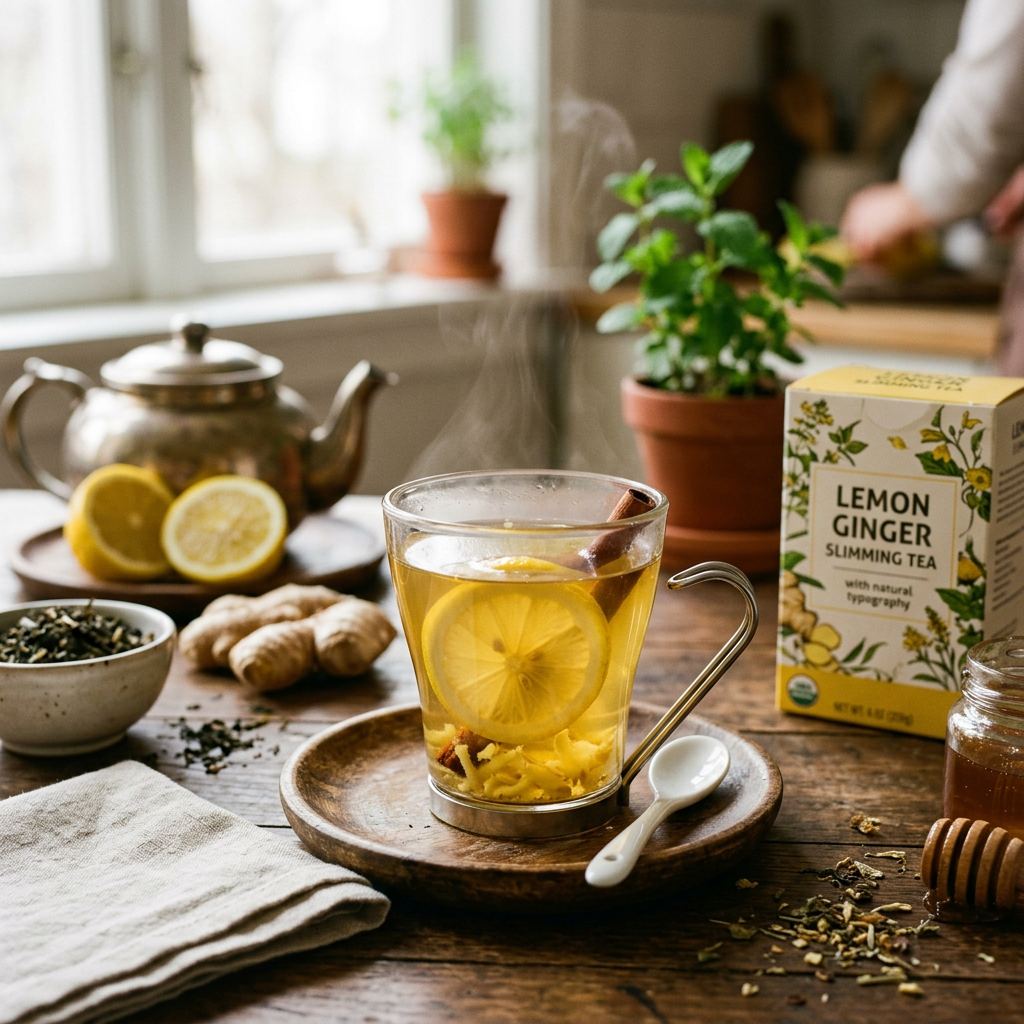
2. Orange ginger black tea
Black tea has a fuller flavor than green tea. Orange peel and ginger add warmth without the need for sugar or syrup.
Ingredients
- 1 black tea bag
- 8 to 10 ounces of hot water
- 1 small strip of orange peel
- 2 thin slices of fresh ginger
- 1 cinnamon stick, optional
Instructions
- Place the ginger and orange peel in a mug.
- Add the hot water and let the ingredients steep for 3 minutes.
- Add the black tea bag.
- Steep the tea according to the package directions.
- Remove the tea bag and orange peel.
- Add the cinnamon stick if you want a warmer flavor.
Use only the colored outer layer of the orange peel, minimizing the amount of white pith, as it may have a bitter or unpleasantly sour taste.
If you are looking for a stronger, unsweetened drink, this black tea recipe could be what you’re looking for. Additionally, if the flavor of your tea is too strong or “sharp,” an alternative would be to reduce the amount of ginger used in making the tea instead of first adding sugar.
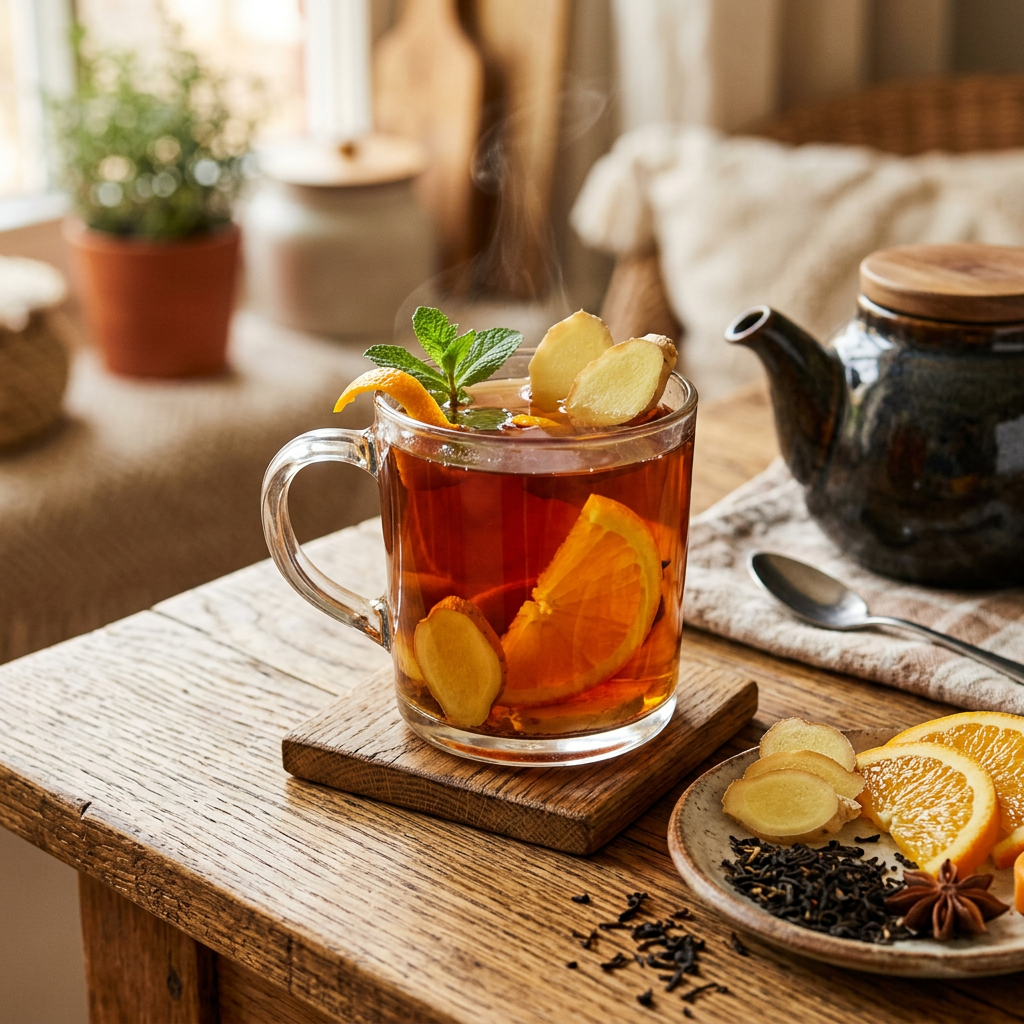
3. Hibiscus cucumber cooler
Hibiscus creates a deep red infusion with a tart flavor. Cucumber and lime make it lighter and more refreshing.
Ingredients
- 1 hibiscus tea bag
- 10 ounces of hot water
- 3 thin cucumber slices
- 1 lime wedge
- Ice
- Fresh mint, optional
Instructions
- Steep the hibiscus tea in hot water for about 5 minutes.
- Remove the tea bag and allow the tea to cool.
- Add the cucumber slices and lime.
- Pour the tea over ice.
- Add fresh mint if desired.
Because hibiscus is caffeine-free, some find it too sour. Allow your palate to acclimate to the taste, then add sugar. Alternatively, add less lime or more cucumber to soften the flavor.
Treat hibiscus as an herbal infusion with flavor, not as a proven weight-loss (fat-burning) beverage. If you have been prescribed medications to control high blood pressure or other health issues, consult a medical professional regarding whether regularly drinking hibiscus tea would be appropriate.
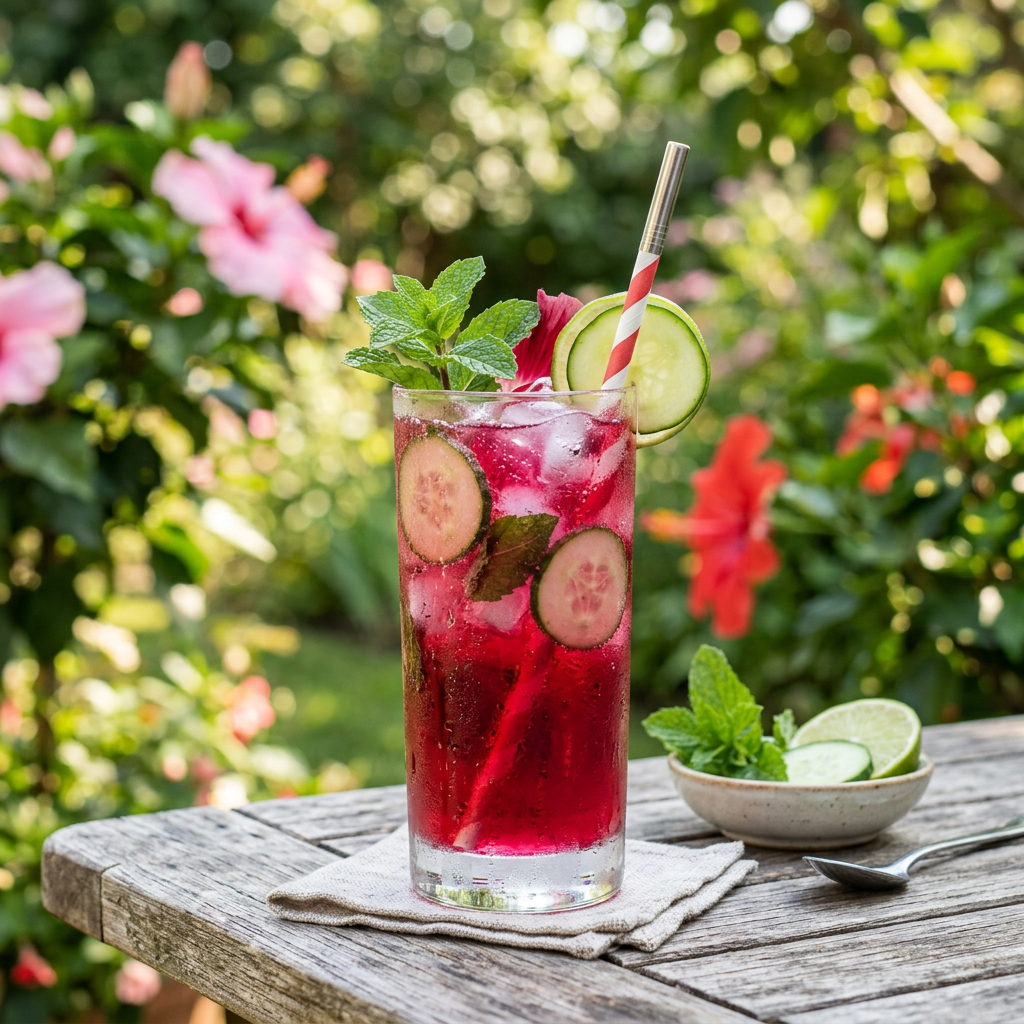
4. Cinnamon vanilla rooibos
Rooibos is a caffeine-free infusion with a mild, earthy flavor. Cinnamon and vanilla can make it taste naturally sweet without adding sugar.
Ingredients
- 1 rooibos tea bag
- 8 to 10 ounces of hot water
- 1 small cinnamon stick
- 1 or 2 drops of vanilla extract
- 1 tablespoon of unsweetened milk, optional
Instructions
- Add the rooibos tea bag and cinnamon stick to a mug.
- Pour in the hot water.
- Steep for 5 minutes or follow the package directions.
- Remove the tea bag.
- Add a small amount of vanilla extract.
- Add unsweetened milk if you want a softer flavor.
Use vanilla extract instead of vanilla syrup. Vanilla syrup can add sugar and calories quickly.
This recipe may work well in the evening because it does not naturally contain caffeine. Still, check the package label. Some flavored tea blends combine rooibos with other ingredients, including caffeinated tea.

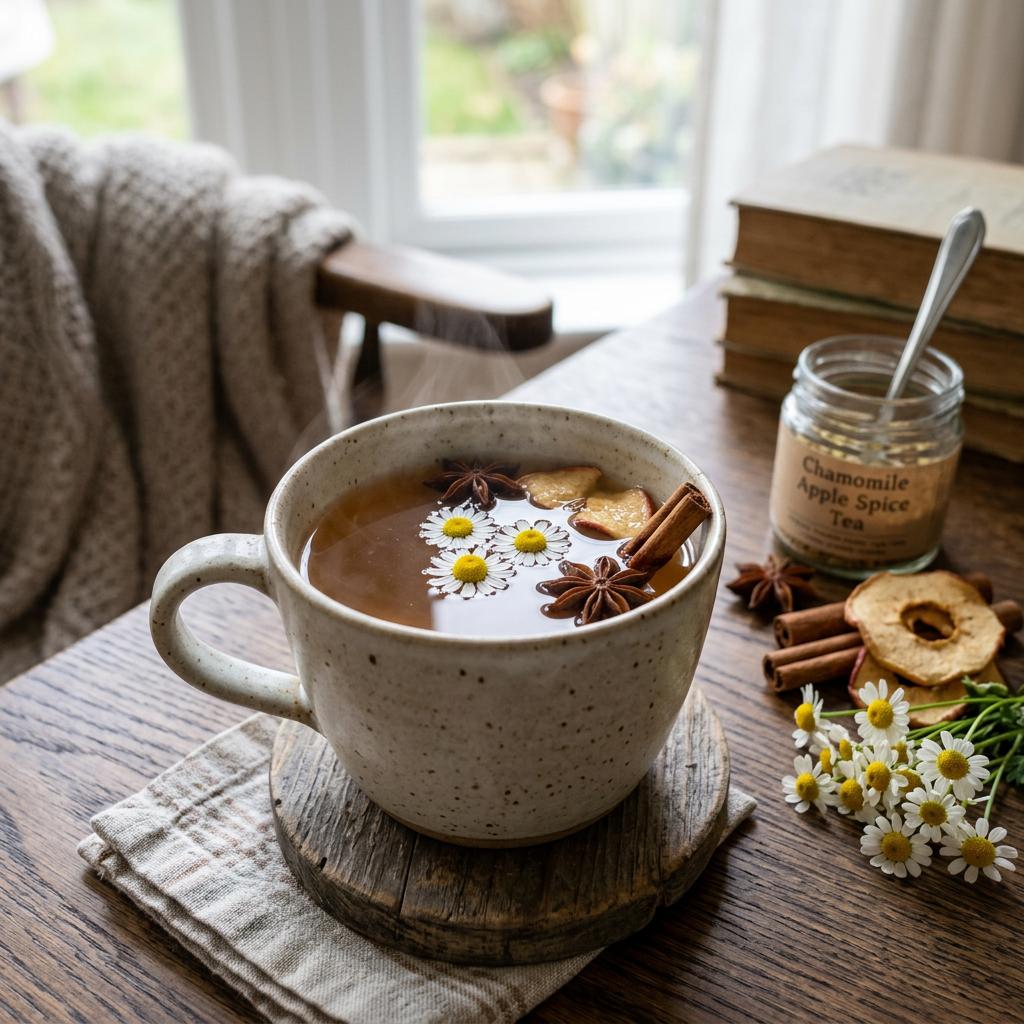
5. Chamomile apple spice tea
Chamomile tea has a soft floral flavor. A thin apple slice and cinnamon can add aroma and a mild fruity taste.
Ingredients
- 1 chamomile tea bag
- 8 to 10 ounces of hot water
- 1 thin apple slice
- 1 small cinnamon stick
- A small squeeze of lemon, optional
Instructions
- Place the apple slice and cinnamon stick in a mug.
- Pour in hot water.
- Add the chamomile tea bag.
- Steep for 5 minutes.
- Remove the tea bag and cinnamon stick.
- Add lemon if desired.
The apple slice primarily adds aroma and/or flavor. When you consume the apple as part of your meal, it adds extra calories, fiber, and naturally occurring sugars.
Some individuals may want to exercise caution when consuming chamomile. Individuals with known allergies to plants in the daisy family would be wise to do so. If you are pregnant, breastfeeding, on prescription medications, or otherwise managing your health, consult a healthcare professional prior to using herbal supplements.
How to keep homemade tea low in calories
The tea itself is often not the main source of calories. The extras usually make the biggest difference.
Measure honey and sugar
Honey and sugar both add sweetness and calories. The FDA includes honey, syrups, and other sweeteners as added sugars.
If you currently use two teaspoons of sugar, try one and a half teaspoons for a week. Then reduce it gradually if you want. A gradual change may be easier than suddenly switching from very sweet tea to plain tea.
Use flavor instead of syrup
Try these ingredients before reaching for syrup:
- Lemon or lime
- Orange peel
- Fresh ginger
- Cinnamon
- Mint
- Basil
- Cucumber
- A small amount of vanilla extract
Fresh or dried herbs can create more flavor without adding much energy to the drink.
Check bottled tea labels
Bottled tea can look like homemade iced tea, but the nutrition can be very different. Check the serving size and look for added sugar.
Some bottles contain more than one serving. A drink labeled as having 40 calories per serving may contain twice that amount if the bottle has two servings.
Do not confuse tea with a meal
Tea can replace a high-calorie drink, but it should not replace nutritious meals. A healthy weight-management routine still needs enough protein, fiber, vitamins, minerals, and overall energy.
Trying to manage hunger with tea alone may lead to tiredness, intense cravings, or overeating later.
Caffeine and safety considerations
The amount of caffeine in tea depends on the tea type, serving size, water temperature, steeping time, and preparation method.
The FDA says that up to 400 milligrams of caffeine per day is not generally associated with negative effects for most healthy adults. This is a general reference point, not a target. Some people experience symptoms at much lower amounts.
Caffeine may contribute to:
- Restlessness
- Anxiety
- Headaches
- A fast heartbeat
- Nausea
- Poor sleep
- Stomach discomfort
Green tea and black tea both contain caffeine, so drink them early in the day if they affect your sleep. Decaffeinated teas are also an an option, as are rooibos, chamomile, peppermint, hibiscus, and other herbal teas.
Be careful with “detox” or weight-loss teas that claim to burn fat or boost metabolism. These often have high amounts of caffeine, bitter orange, or multiple stimulants, and may even have concentrated extracts of ingredients like senna.
Senna may cause bowel movements, but it does not burn body fat. The MedlinePlus guide to senna explains that it is intended for short-term constipation treatment and can cause cramping or diarrhea.
For more information, read this guide to tea ingredients to avoid for weight loss.
Talk with a doctor or pharmacist before using concentrated tea products if you:
- Are pregnant or breastfeeding
- Take prescription medication
- Have liver or kidney disease
- Have high blood pressure
- Have a heart rhythm condition
- Have frequent acid reflux
- Have caffeine sensitivity
- Have low iron or anemia
- Are preparing for surgery
Key takeaways
- An at-home, unsweetened slimming tea recipe makes beverages that contain less sugar and fewer calories more palatable.
- While tea can potentially be beneficial for weight loss by substituting a high-calorie or high-sugar drink, green tea may only result in a very slight reduction in body weight, and there is no evidence of guaranteed weight loss.
- Herbal teas such as hibiscus, rooibos, and chamomile can provide an alternative flavor and/or caffeine-free option; however, they have not been proven to aid in reducing body fat.
- Any addition of honey, sugar, syrup, cream, or sweetened milk will greatly increase the number of calories in your tea.
- As previously stated, please do not use senna or laxative tea to try to lose weight.
- Concentrated brewed tea is very different from concentrated tea extract or supplement.
- When counting your daily caffeine intake, include all caffeinated products (tea included) regardless of whether they are hot or cold.
- If you are taking prescription medications or have any medical conditions, consult a healthcare professional before drinking tea.
Frequently asked questions
What’s the best slimming tea recipe?
There isn’t one best recipe that fits everyone’s needs. Lemon basil green tea could work if you are looking for a lightly caffeinated drink. Rooibos or chamomile would probably be a good choice if you’re looking for an alternative to caffeine in the evenings. The best slimming tea recipe will always be the one you like most without adding a lot of sugar.
Does homemade tea really help with weight loss?
Homemade tea can really help if you replace a higher-calorie beverage with it. For example, unsweetened iced tea has far fewer calories than sweet tea or soda. Most of the effect comes from reducing liquid calorie intake. Drinking tea alone will never guarantee fat loss.
Is green tea better than herbal tea for weight loss?
Green tea has been studied more often than most herbal teas because it contains catechins and caffeine. Research suggests the possible effect is small and inconsistent. Herbal teas can still support a healthy routine by adding flavor without many calories, but they should not be described as fat-burning treatments.
Can I drink slimming tea every day?
Many adults can enjoy ordinary brewed tea as part of a balanced routine. However, the ingredients matter. Avoid using laxative teas every day. Be cautious with products that contain high caffeine, multiple stimulants, concentrated extracts, or unclear proprietary blends.
Can I add honey to my slimming tea recipe?
Yes, you can add honey, but it contains sugar and calories. Therefore, please always measure the amount you add. Alternatively, you could gradually reduce the amount of honey or replace it with other flavors such as lemon, cinnamon, ginger, mint, or vanilla extract.
What time should I take slimming tea?
There is no proven evidence that drinking slimming tea at any particular time will cause you to lose more weight. If drinking a caffeinated tea in the morning impacts your ability to sleep later, take it early in the day. If you choose to drink a decaf tea (or even a regular tea) in the afternoon, consider how much liquid you have consumed before going to bed. Taking too much of a laxative tea close to bedtime will likely result in having to use the restroom multiple times during the night.
Does slimming tea burn belly fat?
No, tea does not burn fat in just one specific part of the body. Do not waste your money on products claiming they will make you lose belly fat fast. The weight loss from using a laxative type of tea is most likely from losing water or stool rather than actually burning fat.
Is homemade slimming tea safer than store-bought slimming tea?
A simple homemade slimming tea allows you to control the ingredients, giving you the opportunity to avoid added sugars and excessive combinations of stimulants. Although all-natural ingredients may affect individuals differently, a “packaged” product offers clarity. When choosing a packaged slimming tea, ensure that the label clearly lists the ingredients, serving size, caffeine level, and consumption instructions.
Final thoughts
A good slimming tea recipe should help you choose healthier drinks; it does not promise amazing weight loss overnight. Choose from five recipes below (you can add spices for an extra boost), then feel free to modify for taste. Try to keep your teas almost unsweetened, do not consume too much caffeine, and remember, drinking tea is just one piece of a complete, long-term approach to eating well.
For more ideas, read how to drink tea without adding extra calories and how much caffeine is in tea, or try this turmeric ginger tea recipe for weight loss.
This article is for general education and is not medical advice. Talk with a qualified healthcare professional before using herbal products, concentrated extracts, or packaged weight-loss teas.
Looking for another option to explore? Review the banner below. It features All Day Slimming Tea so you can see whether its ingredients, directions, and format fit your routine.


One thought on “Slimming Tea Recipe: 5 Homemade Teas for a Balanced Routine”