
Is Tea Bad for You? Risks, Side Effects, and Safety Tips
Written by Alex McKenzie
Green, black, white, and oolong plain brewed tea are generally safe for adult consumption at reasonable levels. The response to the inquiry “Is tea bad for you?” will be dependent upon the specific variety of tea being consumed; whether or not excessive quantities are ingested; and the individual’s particular need for health.
Green, black, white, and oolong tea beverages vary greatly from bottled sweetened tea products; herbal blend products; “cleanse” products (or “detox” products); and green tea extracts sold as dietary supplements. Caffeine content, sugar content, herb content, stimulant content, laxative content, and ingredient concentration may vary significantly among these various product types.
As an addition to a regimen that is otherwise considered healthy (i.e., balanced diet; regular physical activity; sufficient rest/sleep; appropriate medical attention), tea can provide benefit. However, tea should never replace the above-mentioned components.
In addition, if using tea to assist with weight loss, you should have realistic expectations. Tea is not a medically proven method for treating type 2 diabetes, nor is it a proven method for treating obesity or other medical conditions.
Key takeaways
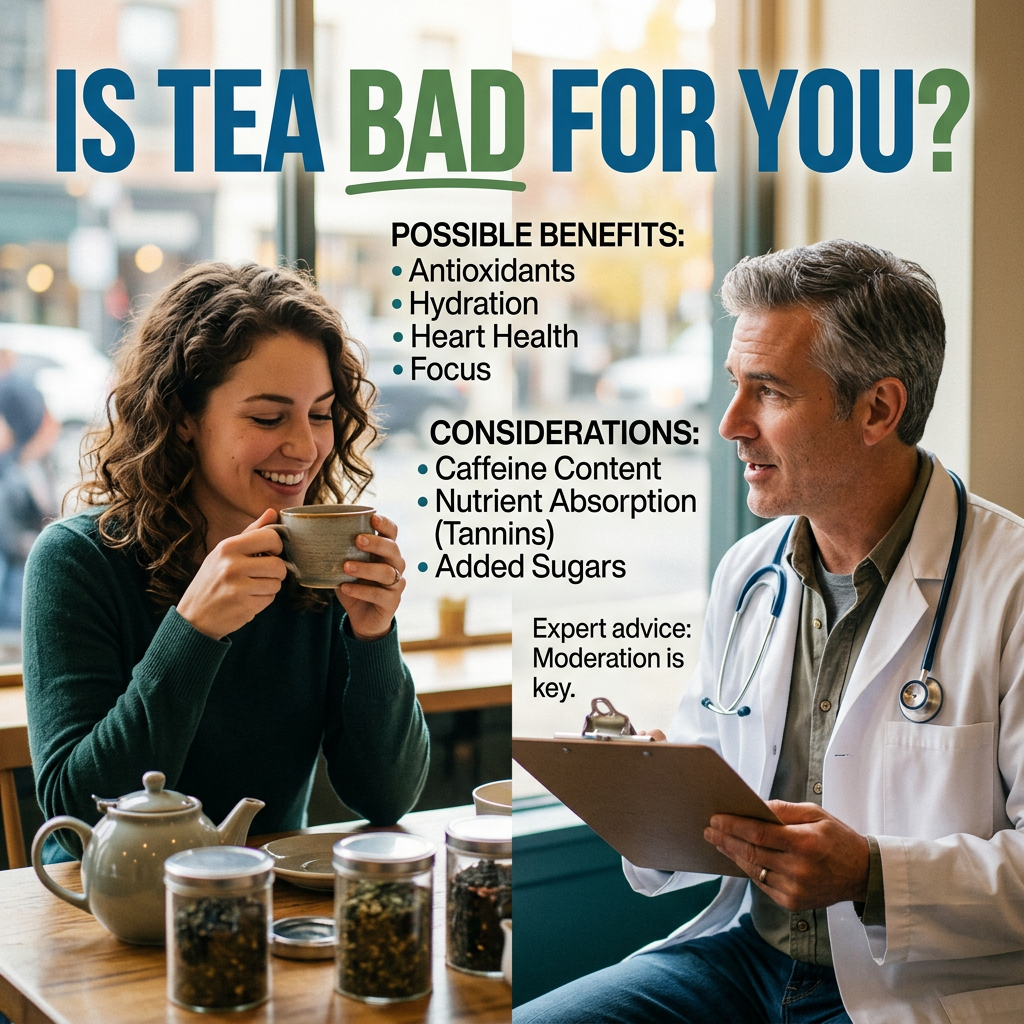
- Most adult consumers will be okay as long as they consume plain brewed tea in moderation.
- The caffeine in plain brewed tea can interfere with your ability to fall asleep, increase feelings of anxiety and panic, raise your heart rate and make you feel nauseous after eating.
- Some herbal teas may include active compounds that can interact with some prescription or over-the-counter medications.
- While senna and other “laxative” teas are marketed to help lose fat by losing water weight (not fat), they do not actually cause you to lose body fat.
- There have been reports of severe but very rare liver injuries associated with green tea extract dietary supplement consumption.
- Many bottled and cafe teas can contain an excessive amount of added sugar.
- In general, pregnant individuals, children, people who experience medical issues, or those taking medications should consult with a licensed healthcare professional before consuming certain teas or using any type of supplement.
Is tea bad for you? It depends on the type
Tea isn’t one single product.
Green tea, black tea, white tea, and oolong tea come from the Camellia sinensis plant. These teas naturally contain caffeine, although the caffeine content varies by tea type, serving size, brewing time, and preparation method. Teas from this plant also naturally contain polyphenols.
Herbal teas are made from other plants, flowers, roots, seeds, or spices. They may be naturally caffeine-free, but that is not always the case. Some blends include guarana, yerba mate, green tea, black tea, or other sources of caffeine.
Plain brewed tea, including tea made from loose-leaf tea, is also different from:
- Sweetened bottled tea
- Tea with flavored syrups
- Powdered “detox” drinks
- Weight-loss tea blends
- Green tea extract capsules
- Products containing senna or other laxatives
Read the full ingredient list instead of relying only on the word “tea” on the front of the package. A product marketed for energy, cleansing, metabolism, or rapid weight loss may contain several active ingredients. These claims don’t prove that the product can treat or prevent type 2 diabetes.
For more information, read this guide to how much caffeine is in tea.
Common side effects of tea
Many tea-related side effects are mild and depend on how much you drink. You may notice them after several strong cups, a large serving, or combining tea with coffee, energy drinks, or supplements.
Caffeine can affect sleep, mood, and heart rate
Caffeine may cause:
- Jitteriness
- Restlessness
- Shakiness
- Anxiety
- Headaches
- Trouble sleeping
- A faster heartbeat
- Heart palpitations
Black tea, green tea, matcha, yerba mate, and guayusa can all contribute caffeine to your daily intake.
Matcha is made from powdered tea leaves. Since you consume the leaf instead of removing it after brewing, some servings may contain more caffeine than a regular cup of green tea.
Caffeine can reduce sleep quality, even when you drink tea several hours before bedtime. If tea makes it harder to sleep, try drinking it earlier in the day, choosing a smaller serving, or switching to a caffeine-free option.
The U.S. Food and Drug Administration says that up to 400 milligrams of caffeine per day is not generally associated with negative effects for most healthy adults. This is not a target, and some people may experience symptoms at much lower amounts.
Tea can cause stomach discomfort
Tea may bother your stomach, especially when you drink it on an empty stomach or choose a strong blend. Caffeine, strong preparations, or polyphenols may contribute to digestive irritation.
Some people may experience:
- Nausea
- Stomach discomfort
- Heartburn
- Diarrhea
- Abdominal cramps
Mint tea may worsen acid reflux in people who are sensitive to peppermint or spearmint. Other herbal ingredients may also cause digestive symptoms.
If a tea consistently causes discomfort, stop drinking it and check the ingredient list. You may be reacting to a particular herb, flavoring, sweetener, or source of caffeine.
Herbal teas can cause allergic reactions
Herbal teas can contain plant ingredients that trigger an allergy. Stop using the product and seek urgent medical help if you develop trouble breathing, swelling of the face or throat, fainting, or widespread hives.
“Natural” does not always mean risk-free. Plant ingredients can have real effects in the body.
Green tea extract is different from brewed green tea
Brewed green tea and green tea extract shouldn’t be treated as the same product.
A cup of brewed green tea contains relatively diluted amounts of tea compounds. Green tea extract supplements can provide much more concentrated amounts. They’re often found in weight-loss, energy, and metabolism products.
The NIH’s LiverTox information on green tea reports that green tea extract has been linked to rare cases of clinically apparent liver injury. The risk appears more concerning with concentrated supplements than with normal amounts of brewed tea.
A review published in the National Library of Medicine also discusses liver safety concerns linked to concentrated green tea catechins. These polyphenols can reach much higher levels in supplements than in brewed tea.
Avoid assuming that a supplement is safe because it contains a familiar ingredient. Speak with a pharmacist or clinician before using green tea extract, especially if you have liver disease or take medication.
Stop using a supplement and seek medical advice if you develop symptoms such as unusual tiredness, dark urine, yellowing of the skin or eyes, severe nausea, or abdominal pain.
Can tea interact with medication?
Yes. Whether herbal teas and blends will cause an interaction with prescription drugs is dependent upon the actual plant being consumed (herb), the quantity in which it is being utilized and what prescription drug is being taken.
Do not stop your prescribed medications based on a claim made by a tea label or some person on social media. If you are taking prescription medication for Type II Diabetes, consult with a Pharmacist/Clinician prior to utilizing a new herbal tea/blend.
St. John’s wort
St. John’s wort can interact with many medicines. The National Center for Complementary and Integrative Health warns that it may affect antidepressants, birth control pills, transplant medicines, blood thinners, and other drugs.
If a tea blend contains St. John’s wort, check with a health professional before using it.
Licorice root
Licorice root can have drug-like effects when consumed in large amounts or for long periods. According to the NCCIH guide to licorice root, some licorice products may raise blood pressure or lower potassium levels.
People with high blood pressure, heart disease, kidney disease, or low potassium should be especially careful with licorice root products.
Senna and laxative teas
Senna is a stimulant laxative used for short-term constipation. The MedlinePlus guide to senna explains that it isn’t intended as a long-term weight-loss product.
Senna may cause:
- Abdominal cramps
- Diarrhea
- Dehydration
- Electrolyte problems when misused
- Dependence on laxatives with repeated use
Laxative tea may cause temporary changes in body weight through fluid and bowel movement changes. That isn’t the same as losing body fat.
For more information, read tea ingredients to avoid for weight loss.
Tea and iron absorption
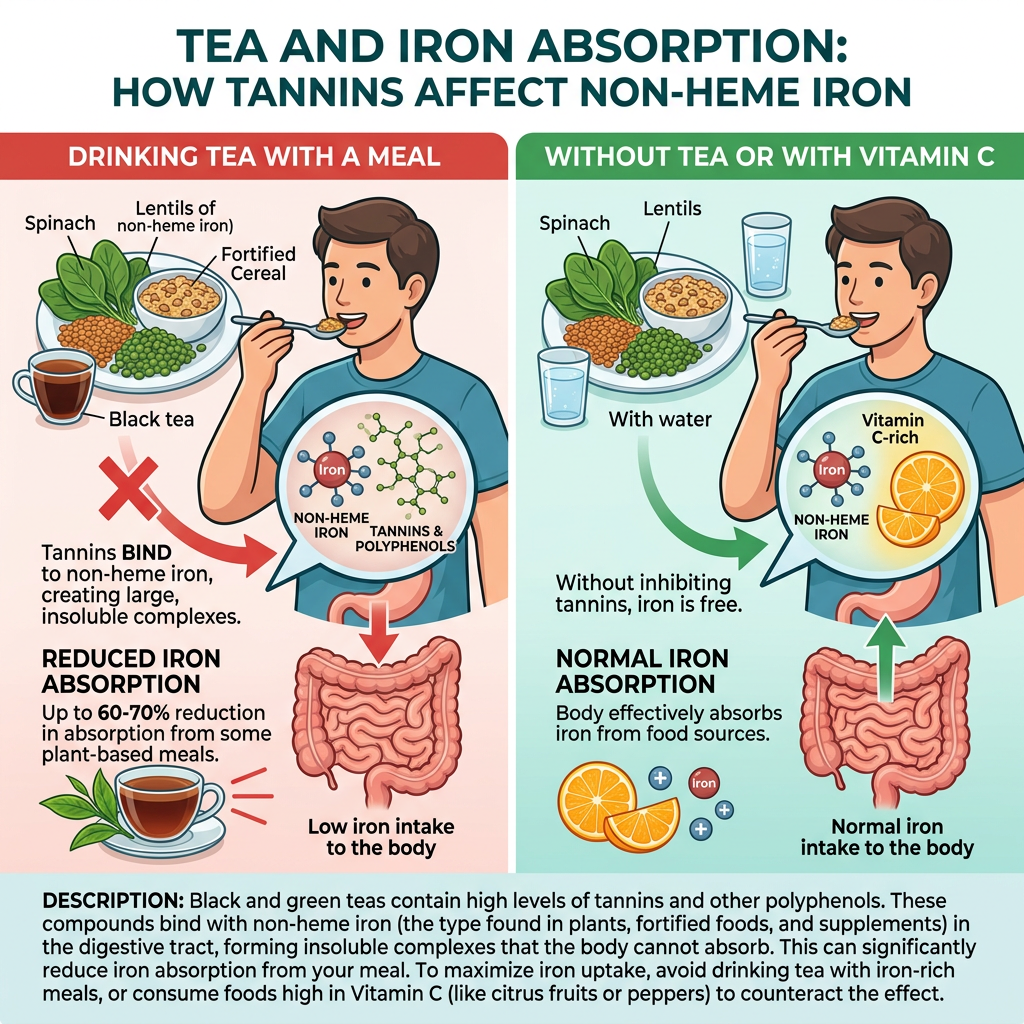
Tea may reduce the absorption of non-heme iron, which is found in beans, lentils, fortified grains, vegetables, and supplements.
A study indexed by PubMed found that tea polyphenols may reduce non-heme iron absorption when consumed with an iron-containing meal.
This may matter more if you have iron-deficiency anemia, low iron, or an increased need for iron.
Ask your clinician whether you should separate tea from iron-rich meals or iron supplements. Don’t change an iron treatment plan without medical advice.
Who should be more careful with tea?
Some people may need to limit certain teas or avoid concentrated tea products.
Speak with a qualified health professional before using herbal teas or supplements if you:
- Are you currently pregnant?
- Are you breastfeeding?
- Do you want to get pregnant in the near future?
- Giving tea to a child
- Taking any medications that are prescribed by your doctor?
- Do you have any Liver Disease (cirrhosis)?
- Do you have Kidney Disease (nephritis)?
- Do you suffer from High Blood Pressure?
- Do you have Heart Disease or an abnormal heart rhythm?
- Do you suffer with Anxiety?
- Suffering from Insomnia?
- Suffering from Acid Reflux?
- Low Iron/ Anemia?
- Type II Diabetes?
- A history of Eating Disorders
During pregnancy, caffeine from tea counts toward your total daily caffeine intake. The American College of Obstetricians and Gynecologists advises keeping caffeine intake below 200 milligrams per day during pregnancy.
People experiencing complications in pregnancy are encouraged by their Obstetrician Clinicians to check first as a precautionary measure before ingesting either tea or supplement.
While there may be established caffeine limitations for pregnant women; these do not necessarily indicate if all of the various herbal ingredients included within the product have been deemed safe for use during pregnancy.
In addition, while many of the herbs used and the concentrated amounts of those same herbs have not been sufficiently researched at this point to determine the potential risks associated with their consumption. As such, you are advised to consult your Obstetrician Clinician prior to consuming any herbal blend, detox tea or other weight loss type product.
How much tea is safe to drink?
There is no single number of cups that’s safe for everyone.
Tea’s caffeine content varies based on:
- The type of tea
- The amount of tea leaves
- Steeping time
- Water temperature
- Cup size
- Whether the tea is powdered
- Added stimulants such as guarana or yerba mate
Count caffeine from all sources, including:
- Tea
- Coffee
- Energy drinks
- Soda
- Chocolate
- Pre-workout products
- Caffeine tablets
- Supplements
If tea causes anxiety, headaches, poor sleep, or a racing heartbeat, reduce your intake even if you’re below the general adult limit. People who notice caffeine dependence or withdrawal symptoms may need to reduce intake gradually, with professional guidance if needed.
How to drink tea more safely
You don’t need to avoid all tea to make a safer choice. These steps can help:
- Choose plain brewed tea more often. It usually contains fewer ingredients than supplements or multi-herb blends.
- Read the entire label. Look for caffeine, senna, licorice root, St. John’s wort, guarana, and other stimulants.
- Watch your serving size. A large café or bottled drink may contain more caffeine or sugar than you expect.
- Limit added sugar. Sweet tea, syrups, honey, and flavored creamers can add calories quickly.
- Avoid using laxative tea for weight loss. Laxatives don’t remove body fat.
- Be cautious with concentrated extracts. A capsule or powder may provide much more of an ingredient than brewed tea.
- Stop if you develop symptoms. Talk with a health professional if symptoms continue or seem severe.
For practical ideas, read how to drink tea without adding extra calories.

Is tea helpful for weight management?
Plain tea can be a low-calorie drink. Replacing soda, sweetened coffee, or other high-calorie beverages with plain tea may help reduce your calorie intake.
Research into tea’s potential health benefits often examines green tea and black tea. Researchers study polyphenols such as catechins and black-tea theaflavins, which have antioxidant properties. Studies have explored links with cardiovascular health, type 2 diabetes, Parkinson’s disease, and cancer prevention. These associations don’t prove tea prevents or treats disease.
However, tea does not guarantee weight loss. Caffeine may have a small effect on energy use, but that doesn’t make tea a fat-burning treatment. Weight-loss teas that cause diarrhea or fluid loss aren’t a safe or reliable way to lose body fat.
If you want a starting point for estimating your daily calorie needs, try this free calorie calculator, but remember that it provides an estimate rather than personalized medical advice.
Read can tea help with weight loss? for a more detailed look at what tea can and can’t do.
If you prefer to avoid caffeine, see this guide to caffeine-free teas for weight management.
Frequently asked questions
Does tea dehydrate you?
Moderate amounts of caffeinated tea still contribute fluid to your daily intake. However, large amounts of caffeine may cause increased urination, anxiety, or poor sleep.
Can tea damage your liver?
Normal amounts of brewed tea aren’t generally linked to the same liver concerns as concentrated green tea extract. Green tea extract supplements and multi-ingredient weight-loss products have been associated with rare cases of liver injury.
Does tea stain your teeth?
Black tea and green tea may stain teeth because tannins in tea and other plant compounds can cling to tooth surfaces. Drinking water after tea and following normal dental care may help reduce staining.
Should you drink tea if you have low iron?
Polyphenols in tea may reduce iron absorption, especially when consumed with iron-rich meals. If you have low iron or anemia, ask your clinician whether to separate tea from meals or iron supplements.
Are detox teas safe for weight loss?
Detox teas aren’t a proven method for losing body fat. Some contain caffeine, senna, diuretics, or several herbs. Diarrhea or fluid loss can lower your weight temporarily but may also cause dehydration and other health problems.
Are herbal teas always caffeine-free?
No. Some herbal blends contain green tea, black tea, yerba mate, guarana, or other caffeine sources. Check the ingredient list and nutrition label before buying.
Does tea prevent type 2 diabetes?
Tea isn’t a proven treatment or prevention strategy for type 2 diabetes. It shouldn’t replace a balanced diet, regular activity, or medical care.
The bottom line
For many adults, drinking moderate levels of standard-brewed tea may help create a healthier routine. Most of the concerns about tea consumption concern caffeine, sweeteners (added sugars), concentrates/extracts, ingredients that act as laxatives, potential drug-herb interactions, and your own health status.
Choose products with labels that are clear to read; drink few if no sweetened tea beverages; and do not consume tea labeled “laxative” or “detox” for purposes of losing weight. If you are pregnant, taking medication, have an underlying health issue or experience symptoms that seem abnormal after consuming tea, consult a pharmacist or healthcare professional for additional guidance.
While tea can be enjoyed in moderation as a very-low calorie beverage option, it is not an alternative method for weight loss. Tea is also not an alternative to medical treatment, nor has there been adequate research to show that it can be used as a viable treatment for type 2 diabetes; nor is there sufficient evidence to support using tea as a viable way to prevent cancer.
Enjoy a refreshing cup of All Day Slimming Tea as a simple addition to your daily weight loss and wellness routine.
Health note: This article is for general education only. It doesn’t diagnose, treat, or prevent any condition. Speak with a qualified health professional about your personal health needs, medications, pregnancy, or use of herbal supplements.

Affiliate disclosure: This article may contain affiliate links. If you purchase through one of these links, we may earn a commission at no extra cost to you.

5 thoughts on “Is Tea Bad for You? Risks, Side Effects, and Safety Tips”