
Best Caffeine Free Teas for Weight Management
If you want to manage your weight and want to avoid caffeine, herbal tea is an especially suitable option.
These caffeine-free herbal teas have a smooth, pleasant flavor on their own. Unlike plain water, which is so bland that many people struggle to drink enough of it, herbal tea helps you consume more water throughout the day. It can also replace sugary drinks that contain added sugar and excess calories, so you do not have to consume excessive amounts of calories just to quench your thirst and satisfy a craving for something tasty.
However, it is important to understand that currently, no caffeine-free tea can produce significant weight loss just by drinking it alone. The vast majority of herbal teas on the market help you maintain a healthy weight through indirect means, rather than directly burning fat and making you lose weight immediately after consumption. With herbal tea, it is much easier to resist purchasing high-calorie beverages such as soda, sweetened tea drinks, and flavored coffees, so you can avoid these choices that would slow down your weight loss progress.
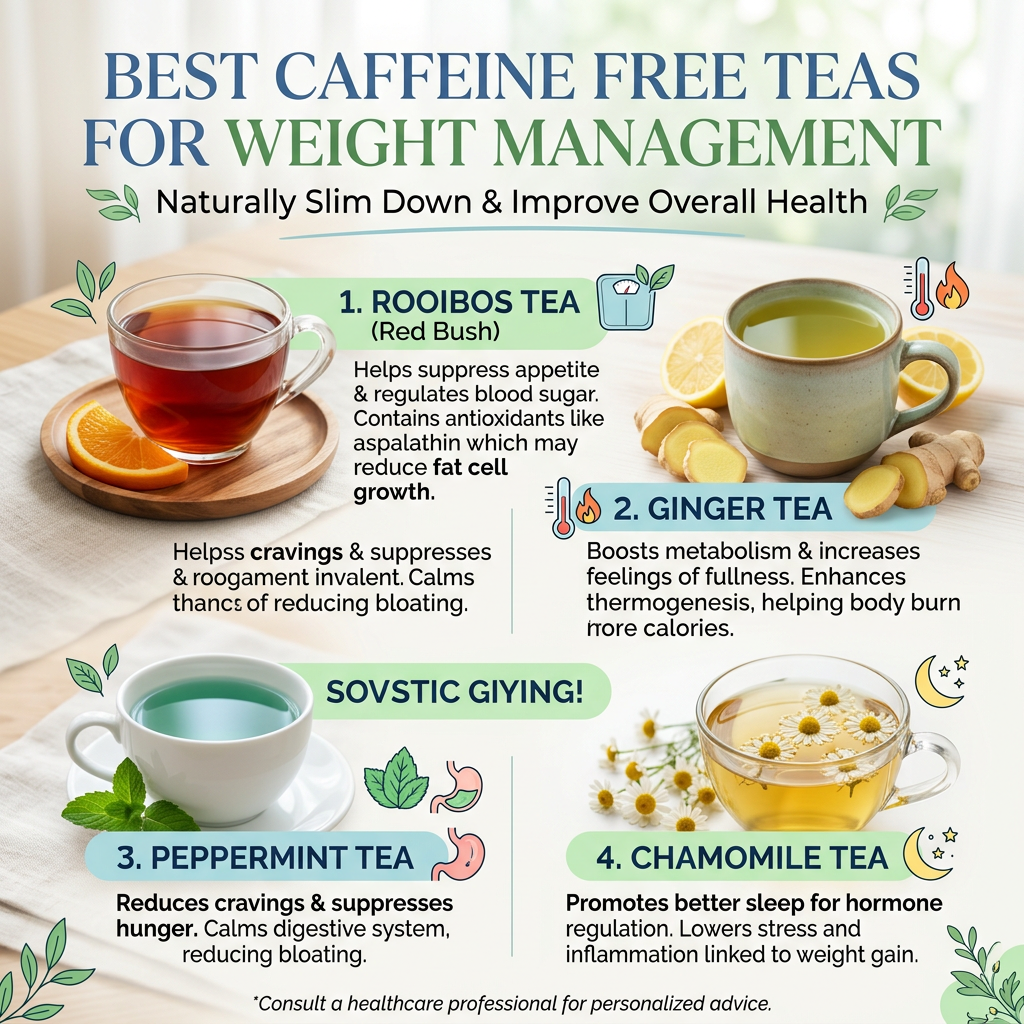
Key Takeaways
- Caffeine-free tea does not burn body fat.
- However, herbal tea can help with weight management by replacing sugary drinks.
- Some of the most popular caffeine free teas are rooibos, peppermint, Hibiscus, chamomile, ginger and cinnamon.
- There is some promising research on Hibiscus & ginger but much of this evidence is from extracts or animal studies or small in human trials.
- As an evening drink, chamomile may be a good choice as it is naturally caffeine-free.
- When buying tea blends, check carefully because many contain green tea, black tea, guarana, yerba mate.
- Detox teas & laxative teas advertised for fast weight loss should also be avoided.
- Concentrated herbs used in tea products may interact with your medication.
- Healthy weight management depends on your overall eating pattern, activity, sleep, and health needs.
What Makes a Tea Caffeine-Free?
Most caffeine-free herbal teas are not made from traditional tea leaves. Traditional tea comes from the Camellia sinensis plant. This includes:
- Green tea
- Black tea
- White tea
- Oolong tea
These teas naturally contain caffeine.
Caffeine-free herbal teas are usually made from other plants, flowers, roots, spices, or fruit. Common examples include peppermint, chamomile, hibiscus, rooibos, ginger, and cinnamon.
Some products can be confusing. A tea may have words such as “herbal” or “natural” on the package but still contain caffeine. Check the ingredient list for:
- Green tea
- Black tea
- White tea
- Oolong tea
- Matcha
- Yerba mate
- Guarana
- Guayusa
If you want to avoid caffeine completely, look for a clear “caffeine-free” statement and read the full label.
How Can Caffeine-Free Tea Support Weight Management?
Caffeine-free tea does not need to increase metabolism to be useful. Its main benefit may come from replacing higher-calorie drinks.
A bottle of sweet tea, soda, or flavored coffee can contain a large amount of added sugar. Drinking these beverages often can make it harder to manage your calorie intake.
Plain herbal tea is usually very low in calories. When you drink it without sugar, syrup, or cream, it can provide flavor without adding many calories.
Caffeine-free tea may also help you build a regular routine. You might drink peppermint tea instead of reaching for a sweet snack, or enjoy chamomile tea instead of a dessert drink in the evening.
These are simple behavior changes. They may help over time, but they are not the same as direct fat burning.
Sip All Day Slimming Tea whenever you want a refreshing boost for your everyday weight loss and wellness routine.
The Best Caffeine Free Teas for Weight Management
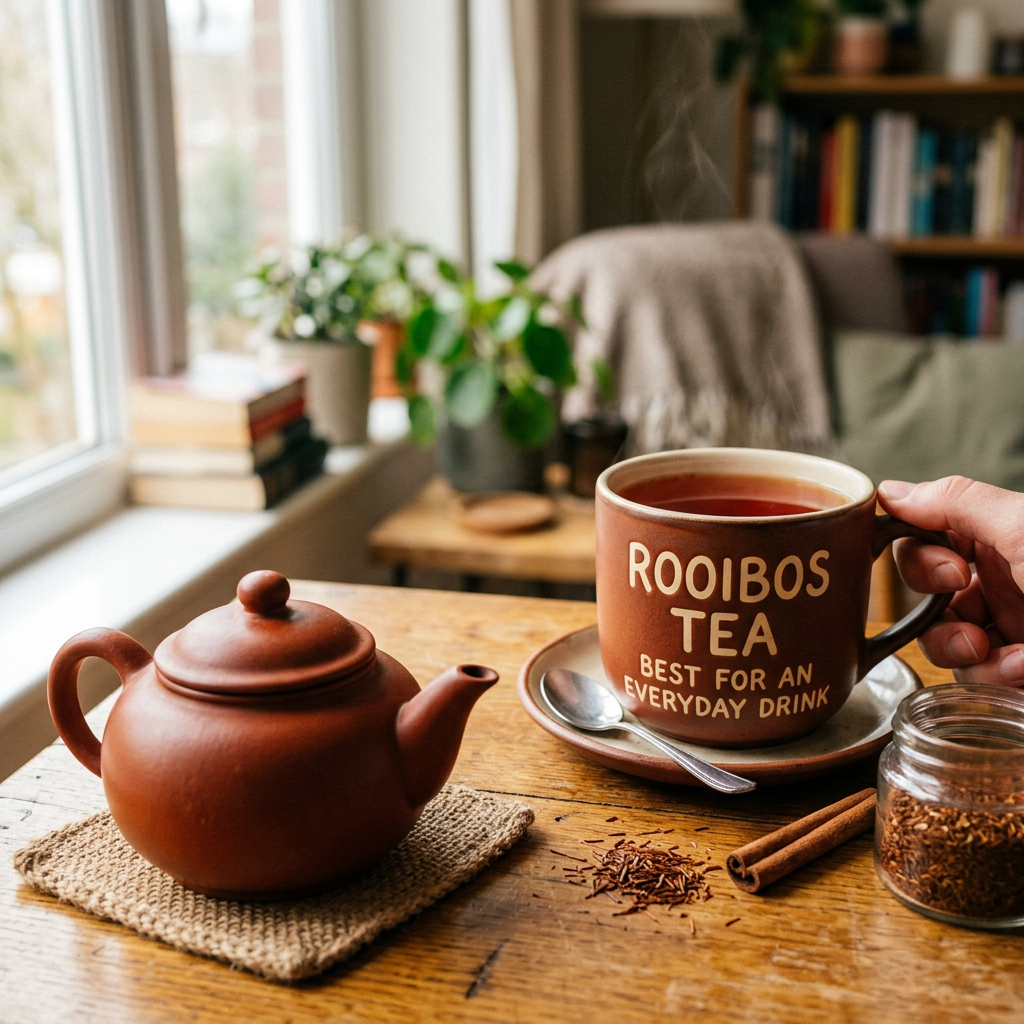
1. Rooibos Tea, Best for an Everyday Drink
Rooibos is a naturally caffeine-free tea made from a plant native to South Africa. It has a mild flavor that can taste slightly sweet, nutty, or earthy.
Rooibos is a good everyday option because it is easy to drink hot or cold. You can enjoy it plain or add lemon, cinnamon, or a small amount of milk.
Why choose rooibos?
- Naturally caffeine-free
- Mild flavor
- Usually easy to drink without sugar
- Works well as an iced tea
- Suitable for an evening drink for many people
There is not strong human evidence that rooibos directly causes weight loss. It is better viewed as a low-calorie alternative to sweetened drinks.
Simple rooibos recipe
Add one rooibos tea bag to a cup of hot water. Let it steep for five minutes. Add cinnamon or a small amount of lemon for extra flavor.
For iced rooibos tea, brew two tea bags in one cup of hot water. Let it cool, then pour it over ice and add cold water.
2. Peppermint Tea, Best for a Refreshing Flavor
Peppermint tea is naturally caffeine-free and has a cool, fresh taste. It can be served hot after a meal or cold with lemon and ice.
Peppermint tea has not been proven to cause weight loss. Its main benefit is that it provides a flavorful drink without sugar or caffeine.
Some people enjoy peppermint tea after meals because of its refreshing taste. Others use it as an evening drink when they want something other than water.
Why choose peppermint tea?
- Naturally caffeine-free
- Refreshing taste
- Easy to prepare
- Works well hot or cold
- Usually contains no calories when unsweetened
Peppermint may worsen heartburn or acid reflux for some people. If you notice that peppermint makes your symptoms worse, choose another herbal tea.
Simple peppermint tea recipe
Steep one peppermint tea bag in hot water for five minutes. Add fresh mint, lemon, or cucumber if you want a lighter flavor.
3. Hibiscus Tea, Best for Iced Tea
Hibiscus tea has a tart flavor and a bright red color. It is naturally caffeine-free and works especially well as an iced drink.
Some research has explored hibiscus and its plant compounds in relation to body weight and metabolic health. However, the evidence is not strong enough to say that ordinary hibiscus tea causes weight loss.
Some studies involve concentrated extracts or animal models rather than the amount found in a normal cup of tea. This means hibiscus should not be marketed as a proven fat-burning drink.
Why choose hibiscus tea?
- Naturally caffeine-free
- Strong flavor without added sugar
- Works well with lemon or lime
- Easy to prepare as iced tea
- Adds variety to a daily drink routine
Hibiscus has a naturally tart taste. If you add sugar, the calorie content will increase. Try lemon, lime, mint, or a small amount of fruit instead.
Simple hibiscus iced tea recipe
Steep one hibiscus tea bag in hot water for five minutes. Remove the tea bag and allow the tea to cool. Pour it over ice and add lime juice or fresh mint.
People who take medication for blood pressure or other conditions should ask a healthcare professional whether hibiscus tea is appropriate for them.
4. Chamomile Tea, Best for an Evening Routine
Chamomile tea is a popular caffeine-free drink with a mild floral flavor. Many people enjoy it before bed.
Chamomile tea is not a weight-loss tea. It may support a healthy routine by giving you a calming alternative to late-night snacks or sweet drinks.
Sleep is also an important part of overall health. A caffeine-free evening routine may help you avoid caffeine late in the day. However, chamomile should not be presented as a treatment for sleep problems.
The National Center for Complementary and Integrative Health states that chamomile is likely safe in the amounts commonly found in tea. It also notes that people who are allergic to related plants may need to use caution.
Why choose chamomile tea?
- Naturally caffeine-free
- Mild flavor
- Suitable for many evening routines
- Easy to find
- Usually low in calories when unsweetened
Chamomile may interact with some medications. Speak with a healthcare professional before using it regularly if you take medication or have a health condition.
Simple chamomile tea recipe
Steep one chamomile tea bag in hot water for five minutes. Drink it plain or add a small amount of cinnamon for flavor.
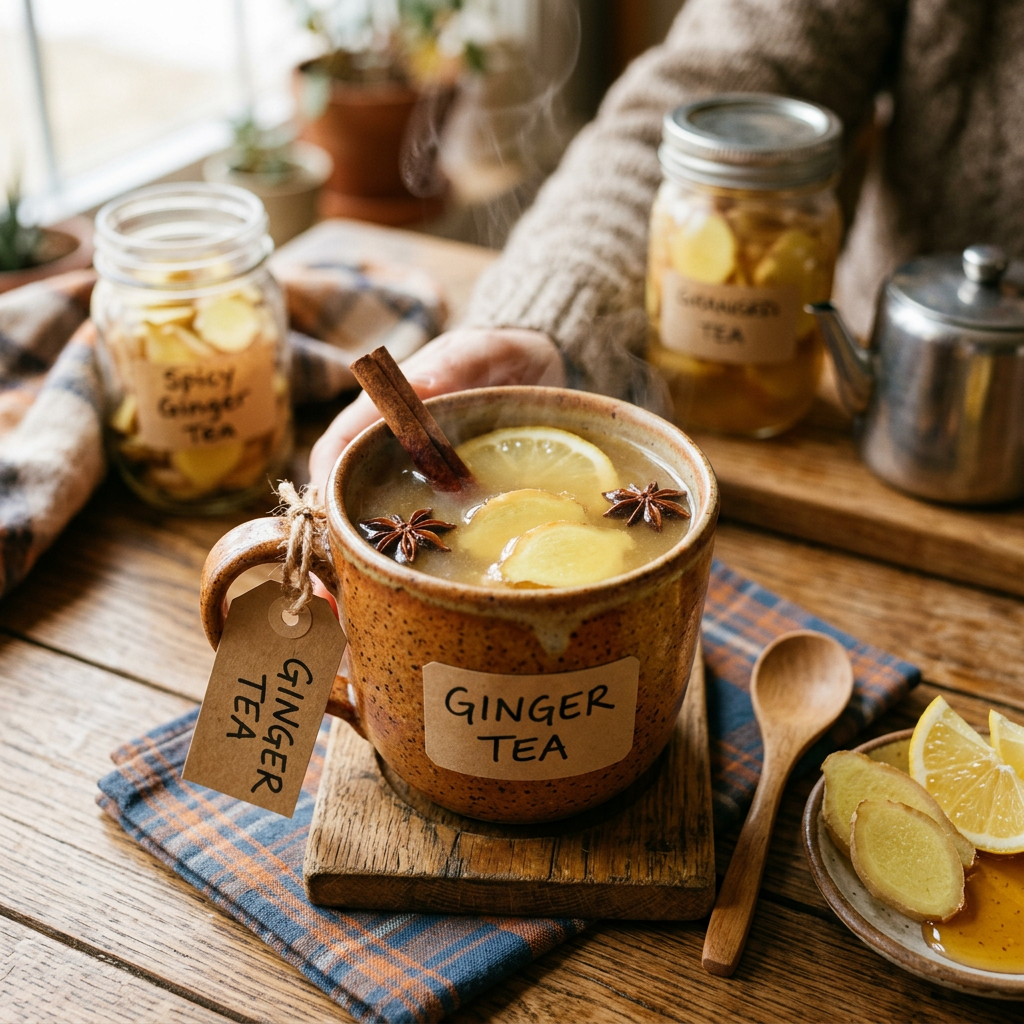
5. Ginger Tea, Best for a Spicy Drink
Ginger tea has a warm, spicy flavor. You can make it with fresh ginger root or a prepared tea bag.
Ginger has been studied for several possible health effects. Some research on ginger and weight management is promising, but much of the evidence comes from animal studies, concentrated extracts, or small human studies.
There is not enough evidence to say that an ordinary cup of ginger tea causes meaningful weight loss.
Ginger tea can still be useful as a low-calorie drink. Its strong flavor may make it easier to skip sugar or sweetened flavoring.
Why choose ginger tea?
- Naturally caffeine-free
- Strong flavor
- Can be served hot or cold
- Pairs well with lemon
- Useful for people who prefer spicy drinks
Some people may experience stomach discomfort after consuming a large amount of ginger. If you take medication or plan to use concentrated ginger products, ask a healthcare professional for advice.
Simple ginger tea recipe
Slice a small piece of fresh ginger and add it to a cup of hot water. Let it steep for five to ten minutes. Add lemon juice if desired.
6. Cinnamon Tea, Best for a Naturally Sweet Taste
Cinnamon tea has a warm, sweet-smelling flavor. It can make plain tea taste more interesting without adding sugar.
Cinnamon tea has not been proven to cause weight loss. Its value comes mainly from its flavor and its ability to replace sweetened drinks.
There are different types of cinnamon. Cassia cinnamon contains more coumarin than Ceylon cinnamon. High amounts of coumarin may be a concern for some people, especially when using concentrated products.
Using a small amount of cinnamon as a food ingredient is different from taking a high-dose cinnamon supplement.
Why choose cinnamon tea?
- Naturally caffeine-free
- Warm, sweet aroma
- Can reduce the need for added sugar
- Pairs well with ginger, apple, and rooibos
Simple cinnamon tea recipe
Place one cinnamon stick in a cup of hot water. Steep for five to ten minutes. You can also add a few apple slices or a small piece of ginger.
If you have liver concerns, take medication, or plan to drink large amounts of cinnamon tea, speak with a healthcare professional.
7. Lemon Balm Tea, Best for a Mild Herbal Flavor
Lemon balm has a gentle lemon flavor and is naturally caffeine-free. It can be served hot or cold.
There is no strong evidence that lemon balm directly causes weight loss. It may still be useful as a flavorful drink that replaces sugary beverages.
Lemon balm is often included in relaxing herbal blends. Check the label to make sure the product does not include caffeine or other ingredients you want to avoid.
How to Choose the Best Tea for You
The best caffeine-free tea depends on your taste and daily habits.
Choose rooibos if you want:
- A mild everyday drink
- A tea that works hot or cold
- A naturally caffeine-free alternative to traditional tea
Choose peppermint if you want:
- A cool, refreshing flavor
- A tea to enjoy after meals
- A simple drink with no added sugar
Choose hibiscus if you want:
- A strong, tart flavor
- A colorful iced tea
- A tea that pairs well with citrus
Choose chamomile if you want:
- A mild evening drink
- A caffeine-free bedtime routine
- A floral flavor
Choose ginger if you want:
- A spicy and warming drink
- A tea that pairs well with lemon
- A strong flavor without added sugar
Choose cinnamon if you want:
- A sweet-smelling tea
- A warm flavor
- An alternative to sugary drinks

Caffeine-Free Tea and Added Sugar
A caffeine-free tea can become a high-calorie drink if you add large amounts of sugar, honey, syrup, or flavored creamer.
To keep your tea lower in calories:
- Start with unsweetened tea.
- Add lemon or lime.
- Use fresh mint or ginger.
- Try cinnamon for a sweet aroma.
- Reduce added sugar slowly.
- Check the label on bottled tea.
- Avoid large servings of sweetened tea.
Honey is still a source of sugar and calories. It may be a personal preference, but it is not calorie-free.
Avoid Detox and Laxative Teas
Some teas are promoted as “skinny teas,” “detox teas,” or “flat tummy teas.” These products may contain laxative herbs.
Laxatives can cause temporary fluid loss. They do not remove body fat. Frequent use may lead to diarrhea, dehydration, stomach cramps, or electrolyte problems.
A tea that causes rapid changes on the scale is not necessarily helping you lose fat. Weight can change because of fluid, food volume, and digestion.
Be especially careful with products that:
- Promise fast results
- Claim to melt fat
- Say you can lose weight without changing anything else
- Hide the full ingredient list
- Use proprietary blends without ingredient amounts
- Encourage frequent laxative use
Safety Tips for Caffeine-Free Tea
Caffeine-free does not always mean risk-free. Herbs can affect the body and may interact with medications.
Before drinking herbal tea regularly, consider:
- The plant ingredients
- The serving size
- Whether the product is concentrated
- Your health conditions
- The medication you take
- Whether you are pregnant or breastfeeding
Do not use an herbal tea as a substitute for medical treatment.
The risk is often higher with capsules, powders, tinctures, and concentrated extracts than with a normal cup of brewed tea. Weight-loss supplements may also contain hidden or unlisted ingredients.
Frequently Asked Questions
What is the best caffeine-free tea for weight management?
There is no single tea proven to cause weight loss. Rooibos, peppermint, hibiscus, chamomile, ginger, and cinnamon tea can all be useful low-calorie drink choices when served without much added sugar.
Does caffeine-free tea burn fat?
There is no strong evidence that caffeine-free herbal tea directly burns body fat. Its main benefit is usually replacing sugary drinks and supporting a lower-calorie routine.
What is the best caffeine-free tea to drink at night?
Chamomile, rooibos, peppermint, and lemon balm are common evening options. Check the label because some blended teas contain caffeine from green tea, black tea, or other plants.
Is hibiscus tea good for weight loss?
Hibiscus tea may have promising plant compounds, but there is not enough evidence to call it a proven weight-loss drink. It can still be a refreshing, low-calorie alternative to sweetened beverages.
Can ginger tea help with weight management?
Ginger tea may fit into a healthy routine, but it has not been proven to cause meaningful weight loss in normal beverage amounts. It is best used as a flavorful alternative to sugary drinks.
Can I drink caffeine-free tea every day?
Many people can enjoy simple herbal tea each day. However, safety depends on the ingredients, amount, and your health. Avoid daily use of laxative teas and ask a healthcare professional about concentrated herbal products.
Is rooibos tea better than green tea for weight management?
Rooibos is a good caffeine-free option, while green tea contains caffeine and has more weight-related research. Neither tea guarantees weight loss. Choose rooibos if you want to avoid caffeine.
Can I add honey to caffeine-free tea?
Yes, but honey contains sugar and calories. Use a small amount if you need it for flavor. Lemon, mint, ginger, and cinnamon can add flavor with little or no added sugar.
Are herbal teas safe during pregnancy?
Not every herbal tea has been studied during pregnancy. Speak with a qualified healthcare professional before drinking herbal blends regularly while pregnant or breastfeeding.
Final Thoughts
The most effective caffeine free teas for weight management are not magical products which will help your body lose weight. They provide a replacement for sugary beverages and make it easier to create a healthier lifestyle routine.
You can use Rooibos in daily routines, Peppermint makes a great refreshing option, Hibiscus provides a great alternative when making an iced tea, Chamomile fits well into an evening routine, and Ginger and Cinnamon add strong flavors so little (if any) sugar is needed.
There is very little research on Herbal Teas and their effects directly related to weight loss. Hibiscus has been found to be somewhat beneficial along with Ginger; however, the results are too minimal to allow for any major statements. Use these teas as alternatives to lower calorie beverage choices, rather than relying on them to burn away excess fat.
Stick to simply brewed tea, check the ingredients before purchasing, stay away from laxatives disguised as teas, and consult a medical professional if there are any issues regarding health or medications.

Affiliate Disclosure: Some links on this page may be affiliate links. If you purchase something through one of these links, we may earn a small commission at no extra cost to you. We only recommend products and services we believe may be useful to our readers. Our opinions remain our own, and affiliate partnerships do not affect our reviews or recommendations.
Sources
- National Center for Complementary and Integrative Health, Weight Control
- National Center for Complementary and Integrative Health, Safe Use of Complementary Health Products
- National Center for Complementary and Integrative Health, Chamomile
- National Center for Complementary and Integrative Health, Herb-Drug Interactions
- Centers for Disease Control and Prevention, Water and Healthier Drinks
- NIH Office of Dietary Supplements, Dietary Supplements for Weight Loss
- Review of Polyphenol-Rich Herbal Teas and Obesity
- Review of Natural Bioactive Compounds from Hibiscus

One thought on “Best Caffeine Free Teas for Weight Management”