
Weight Loss Tea Ingredients to Avoid
Weight Loss Tea Ingredients to Avoid: There are tons of weight loss teas that advertise “burn fat” or “detox.” Maybe they’ll increase your metabolism and “melt fat away”; they may even advertise they can “flatten your tummy.” These types of comments can seem innocent. After all, it’s just tea.
Some weight loss teas contain powerful stimulants and herbs that act as laxatives, heavy extracts, and sometimes even drugs. They will decrease your weight on the scale but aren’t really helping your body lose fat. They can also have harmful effects on your health, such as dehydration, elevated blood pressure, damage to your liver, drug interactions, and more.
If there is any tea that tells you to replace meals with it or makes any extreme promises about it, make sure to avoid it. It’s always best to know what you’re drinking by reading the ingredients on the bottle. Below, we will cover ingredients to avoid when purchasing a weight loss tea and why. We will also teach you how to find a weight loss tea that’s better for you; for a step-by-step comparison of ingredients, caffeine and extracts, see our guide to how to choose a weight loss tea.
“For a broader look at tea’s role in weight management, see our herbal tea for weight loss guide.”

Key Takeaways
- Make sure the tea you choose does not have any ephedra/ephedrine/ma huang.
- Senna/cascara sagrada/aloe latex/buckthorn, and castor oil can also act as stimulant laxatives.
- These can raise your heart rate and blood pressure.
- Green tea in high doses is different than the green tea you would typically drink. It has been linked to liver damage.
- Make sure you know how much caffeine is in the product; if you can’t find out, don’t drink it.
- A proprietary blend will not tell you how much of each ingredient you are taking.
- Detox/Cleanse teas will not detox your body or cause long-term fat loss.
- There have been many instances of the FDA detecting drugs in weight loss products.
- Stick with a basic, unsweetened tea that clearly lists its ingredients.
Medical Disclaimer: This post is for general information only and is not medical advice, diagnosis, or treatment. It does not replace guidance from a qualified healthcare professional who understands your health needs. Talk with your provider before making health decisions based on this post. If you may be experiencing a medical emergency, contact emergency services.
1. Ephedra, Ephedrine, and Ma Huang
Ephedra is one of the most important weight loss tea ingredients to avoid.
Ephedra, also called ma huang, contains compounds related to ephedrine. These stimulants can increase heart rate, blood pressure, and alertness. They were once used in some weight loss products, but serious health risks led the U.S. Food and Drug Administration to ban dietary supplements containing ephedra alkaloids in 2004.
Reported risks have included:
- Heart attack
- Stroke
- Seizures
- Abnormal heart rhythms
- High blood pressure
- Psychosis
- Death
Ephedra may be listed under several names. Check the label for:
- Ephedra
- Ma huang
- Ephedrine alkaloids
- Ephedrine
- Ephedra sinica
Avoid any tea that contains these ingredients. Also be careful with products that promise an intense energy boost or claim to increase metabolism dramatically.
You can read more about the risks in the NIH Office of Dietary Supplements fact sheet on ephedra.
2. Senna and Other Stimulant Laxatives
Senna is common in “flat tummy,” “skinny,” “colon cleanse,” and “detox” teas.
Senna is a stimulant laxative. It causes the bowel to contract, which can lead to a bowel movement. This may make you feel lighter, but it does not cause meaningful body fat loss.
The scale may drop temporarily because of:
- Less stool in the digestive tract
- Fluid loss
- Diarrhea
- Lower food intake due to stomach discomfort
This weight usually returns when you eat and drink normally again.
Frequent or excessive use of senna may cause:
- Stomach cramps
- Nausea
- Diarrhea
- Dehydration
- Electrolyte imbalances
- Worsening constipation after stopping
- Dependence on laxatives
Senna has legitimate short-term medical uses for constipation. That does not make it a suitable weight loss ingredient.
Avoid weight loss teas that list:
- Senna
- Sennosides
- Cassia angustifolia
- Senna leaf
- Senna pods
Do not assume that a “natural” laxative is gentle. Natural ingredients can still have powerful effects and interact with medications.
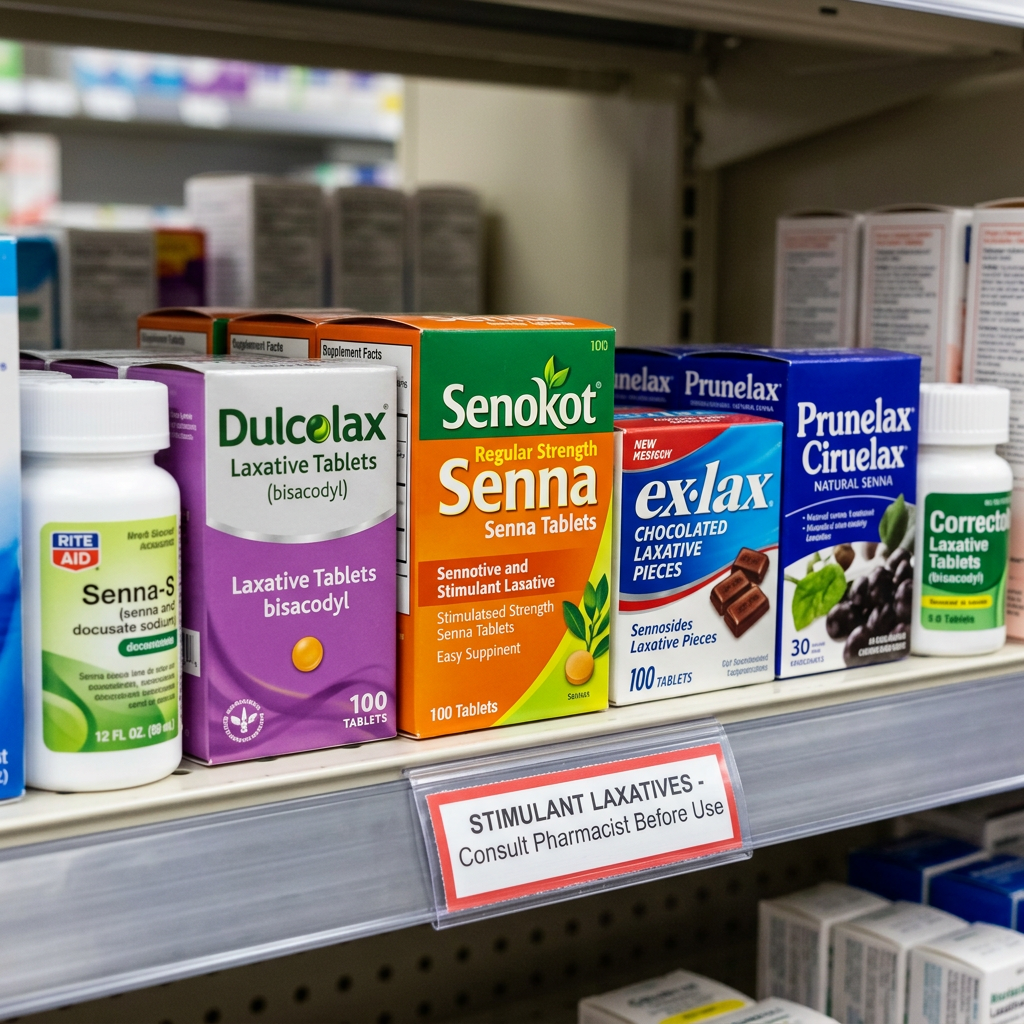
3. Cascara Sagrada, Aloe Latex, Buckthorn, and Castor Oil
Senna is not the only laxative found in weight loss tea. Several other ingredients may stimulate the bowel or increase fluid loss.
These include:
- Cascara sagrada
- Aloe latex
- Buckthorn
- Castor oil
- Rhubarb root
- Frangula
The FDA found that there are no ingredients in cascara sagrada that are deemed to be GRAS when used as an OTC stimulant laxative. While this may not apply to all uses of the product, it is a good reason to steer clear of it if it’s being sold as a weight loss tea.
Another common ingredient that can lead to cramping and diarrhea is Aloe Latex. This is not the same as Aloe Vera, which many drinks use. Aloe latex contains laxative properties.
Many of these cleanse teas have more than one of these ingredients in them. Having multiple laxatives can increase the likelihood of becoming dehydrated or having an imbalance of electrolytes.
If a product claims you will need to have diarrhea or go to the bathroom many times to lose weight, it’s probably best to stay away from that product.
4. Bitter Orange and Synephrine
Bitter orange comes from the fruit of Citrus aurantium. Its main stimulant compound is called p-synephrine.
Manufacturers often use bitter orange in products designed to replace ephedra. It may appear on a label as:
- Bitter orange
- Citrus aurantium
- Synephrine
- p-Synephrine
- Citrus aurantium extract
It has not been determined if bitter orange can help you lose weight. There are some studies, but most have had low sample sizes or include other products with the bitter orange, so it’s hard to tell.
Bitter orange can raise your blood pressure and heart rate.. Cases of severe health problems, including irregular heartbeat, heart attack, and stroke, have been reported in individuals taking bitter orange. However, the products consumed in these cases also contained other substances, so the exact cause is unclear.
Combining bitter orange with caffeine may increase its harmful effects.
Individuals with high blood pressure or any type of heart condition should avoid bitter orange. It should also be avoided by those with anxiety or sensitivity to stimulants. Do not consume bitter orange, such as in weight-loss teas, unless approved by your doctor.
The National Center for Complementary and Integrative Health says the evidence for weight loss is unclear and notes possible cardiovascular risks.
5. Yohimbe and Yohimbine
Yohimbe comes from the bark of an African tree. Its active compound, yohimbine, affects the nervous system and may increase stimulation.
It may appear on a tea label as:
- Yohimbe
- Yohimbine
- Pausinystalia yohimbe
- Yohimbe bark
Yohimbe has been linked to:
- High or unstable blood pressure
- Fast or irregular heartbeat
- Anxiety
- Seizures
- Heart attacks
- Other cardiovascular problems
The amount of active yohimbine can vary between products. Some labels may not provide enough information to show how much you are consuming.
Yohimbe can also interact with certain antidepressants, blood pressure medicines, stimulants, and other drugs.
The NCCIH yohimbe safety page warns that yohimbine has been associated with heart rhythm problems, blood pressure problems, heart attacks, and seizures.
There is no good reason to accept these risks for a tea that has not been proven to produce lasting weight loss.
6. Large Amounts of Caffeine
Caffeine is not automatically dangerous. Many people can safely enjoy coffee, tea, or other caffeinated drinks in moderate amounts.
The concern is the high or undisclosed caffeine content found in some weight loss teas.
A product may contain caffeine from several sources, such as:
- Caffeine
- Guarana
- Yerba mate
- Green coffee bean
- Kola nut
- Black tea
- Green tea
- Caffeine anhydrous
The label may list each source separately without showing the total amount. This makes it easy to consume more caffeine than expected.
Too much caffeine can cause:
- Nervousness
- Shaking
- Insomnia
- Fast heartbeat
- Stomach upset
- Headaches
- Anxiety
- Abnormal heart rhythms
Do not use a caffeine-based weight loss tea along with coffee, energy drinks, pre-workout, or caffeine pills. You should be aware of your caffeine intake if using these products.
If you are pregnant, have a heart condition, high blood pressure, or are caffeine sensitive, speak with your doctor on how much you can have.
Do not use any product that will give you too much energy or make you sweat. Sweating does not mean you are losing body fat.
Affiliate disclosure: This section contains an affiliate link. We may earn a commission if you buy through it, at no extra cost to you.
Considering AllSlimTea? Review its ingredients and safety information before deciding. View the AllSlimTea offer.
“For typical caffeine ranges in brewed tea, see how much caffeine is in tea.”
7. Concentrated Green Tea Extract
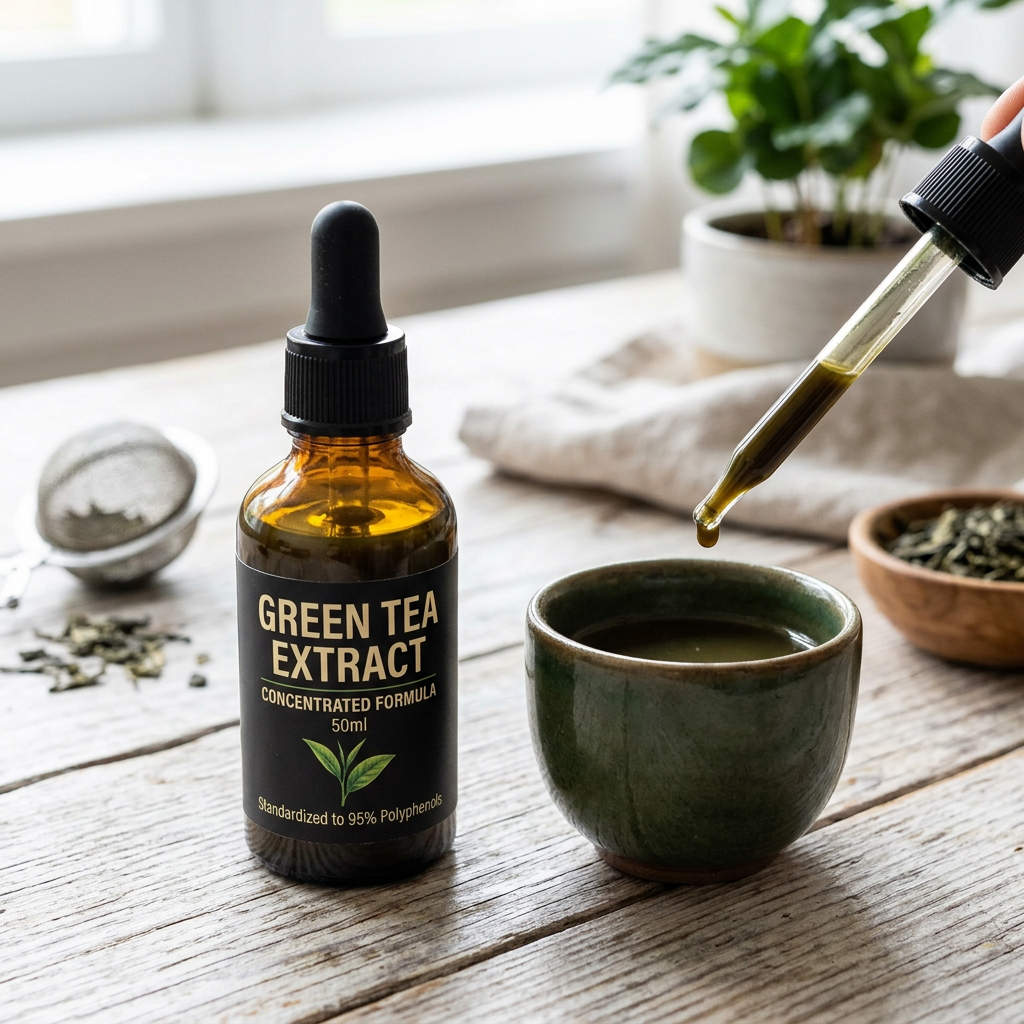
Brewed green tea and concentrated green tea extract are not the same product.
Green tea as a beverage is generally considered safe for most people. Concentrated green tea extract can provide a much higher amount of certain compounds, including catechins and caffeine.
Green tea extract may appear on a label as:
- Green tea extract
- Camellia sinensis extract
- EGCG
- Green tea catechins
- Decaffeinated green tea extract
People have reported side effects from taking green tea extract, including nausea, upset stomach, constipation, high blood pressure, and even liver damage.
These effects seem to occur with products containing high doses of green tea extract, rather than from drinking regular green tea. Taking it on an empty stomach may also increase the likelihood of experiencing side effects.
Of course, this does not mean that all products with green tea extract will cause side effects. However, it’s wise to be cautious of it as an ingredient, especially if the label does not specify the amount of extract in the product.
The National Institutes of Health (NIH) Office of Dietary Supplements has noted reports of liver damage associated with green tea extract. If you notice your skin or eyes turning yellow, dark urine, fatigue, nausea, or stomach pain, discontinue use and contact your doctor.
8. Undisclosed Drug Ingredients
Some products sold online as weight loss teas or slimming products contain drug ingredients that are not listed on the label.
The FDA has found weight loss products containing hidden substances such as:
- Sibutramine
- Diuretics
- Antidepressant drugs
- Stimulant drugs
- Phenolphthalein
- Other undeclared pharmaceutical compounds
These substances can interact with prescription medicines and may create serious health risks. A product can look herbal and still contain ingredients that were not included on the package.
Be cautious with products that:
- Promise rapid weight loss
- Claim to work without diet or exercise
- Are sold only through social media
- Come from an unknown overseas seller
- Have no company address
- Use before-and-after photos instead of research
- Say they are “100% safe”
- Have labels written in poor or unclear language
Check the FDA’s weight loss product notifications before using an unfamiliar product. The list cannot identify every unsafe product, but it shows why online weight loss products deserve caution.
9. Phenolphthalein
Phenolphthalein was once used in some over-the-counter laxatives. It was removed from the U.S. market after safety concerns.
It may still appear in contaminated or illegally marketed weight loss products. It can act as a laxative, which creates the same false impression of weight loss as senna. Any drop in weight comes from bowel contents and fluid, not a meaningful reduction in body fat.
Avoid any product that lists:
- Phenolphthalein
- Phenolphthalein laxative
- Unclear “pharmaceutical slimming” ingredients
If the ingredient appears in a product marketed as a tea, supplement, or natural cleanse, do not use it.
Why Detox Teas Can Be Misleading
Many detox teas will tell you they help get rid of toxins, aid in digestion, decrease bloating, and help you burn fat. There isn’t much human research to back these claims up.
There are not many studies on detox programs, and they usually aren’t done properly. If you do lose weight, it’s probably due to not eating enough calories, your body losing water, or your bowels being emptied. You will gain that weight back when you start eating normally.
Your body gets rid of waste products through your liver, kidneys, lungs, and digestive tract. There’s no reason to drink a tea to “detox” your body from normal everyday toxins.
Drinking a tea may help you feel less bloated if it causes you to go to the bathroom more. This does not mean you’re losing fat.
How to Read a Weight Loss Tea Label
Use these steps before buying a product.
Check the full ingredient list
Avoid products that do not list every ingredient and amount. “Natural blend” is not enough information.
Look for a caffeine amount
If the product contains several caffeine sources but does not list the total amount, choose another product.
Avoid proprietary blends
A proprietary blend may list several ingredients under one total amount. You cannot tell how much of each ingredient is included.
Be cautious with dramatic claims
Phrases such as “lose 10 pounds in one week,” “melt fat while sleeping,” or “no diet needed” are warning signs.
Check the serving instructions
Do not use more than the label recommends. Do not steep a laxative tea longer to make it “stronger.”
Research unfamiliar ingredients
Search the ingredient name through reliable sources, such as the FDA, NIH, NCCIH, or a medical professional. Do not rely only on reviews from the product website.
What Is a Safer Choice?
A safer tea is usually simple and clearly labeled. It should not promise rapid weight loss or contain a long list of stimulants and laxatives.
Consider:
- Plain black tea
- Plain green tea
- Herbal tea without laxatives
- Peppermint tea
- Ginger tea
- Rooibos tea
- Unsweetened fruit or flower teas
These drinks can be part of a healthy routine, especially when they replace sugary drinks. They do not need to cause diarrhea, sweating, or a racing heartbeat to be useful. For simple lower-calorie tea ideas, see 8 low-calorie tea recipes without added sugar.
When to Stop Using a Weight Loss Tea
Stop using the product and seek medical advice if you experience:
- Chest pain
- Fainting
- Severe vomiting or diarrhea
- A racing or irregular heartbeat
- Yellow skin or eyes
- Dark urine
- Confusion
- Severe weakness
- Difficulty breathing
- Signs of an allergic reaction
If you take medication or have a chronic condition, ask a healthcare professional before using a weight loss tea with active herbs or extracts.
Final Thoughts
The best tea for weight loss is not going to have the highest amount of ingredients; it’s going to be one that won’t cause harm.
Stay away from ephedra, stimulant laxatives, bitter orange, yohimbe, high caffeine/unknown amounts of caffeine, green tea concentrate, and any other products that may contain unknown ingredients. Also, watch out for detox teas.
Any plain tea will help you if it’s replacing a caloric drink. There is no need for a tea to melt fat or make you poop.
Frequently Asked Questions
What ingredient in weight loss tea is the worst?
Some of these include Ephedra and ephedrine alkaloids. These can lead to heart issues, stroke, seizures, and even death. There can also be hidden drugs in these teas, which can be harmful as well. You may not know what you’re consuming.
Can I take Senna in my weight loss tea?
It may be okay to use if you need it to help with short-term constipation. It is not a beneficial ingredient to lose weight. If overused, you can experience diarrhea, dehydration, loss of electrolytes, and become dependent on laxatives.
Does detox tea burn fat?
No. Detox tea does not have a proven ability to burn meaningful amounts of body fat. A temporary drop on the scale may come from water loss, diarrhea, reduced food intake, or less stool in the digestive tract.
Is green tea extract safer than caffeine?
Green tea extract is not automatically safer. Concentrated extracts have been linked to side effects and liver injury in some people. Brewed green tea is a different product and is generally safer for most adults when consumed in moderate amounts.
Should I avoid all caffeine in weight loss tea?
Not necessarily. Moderate caffeine may be tolerated by many healthy adults. The main concerns are large doses, multiple stimulant sources, and undisclosed caffeine amounts. Avoid or limit caffeine if you are pregnant, sensitive to stimulants, or have certain heart or blood pressure conditions.
Why are proprietary blends a problem?
A proprietary blend lists several ingredients under one combined amount. You cannot tell how much of each ingredient is included. This makes it harder to judge safety and may hide high amounts of stimulants or laxatives.
Can weight loss tea interact with medication?
Yes. Ingredients such as caffeine, bitter orange, yohimbe, senna, and concentrated green tea extract may interact with medicines. Ask a healthcare professional before using a weight loss tea if you take prescription drugs or manage a chronic condition.
What should I drink instead of weight loss tea?
Choose plain water, unsweetened black tea, regular brewed green tea, rooibos, peppermint tea, ginger tea, or another simple herbal tea. Use it to replace sugary drinks, not as a meal replacement or rapid weight loss treatment.
Ready to take a closer look? Explore the featured product below, review its ingredients and details, and see if it’s right for you. Check the label and follow the directions before use.

Sources
- NIH Office of Dietary Supplements: Dietary Supplements for Weight Loss
- NIH Office of Dietary Supplements: Weight Loss Health Professional Fact Sheet
- NCCIH: Weight Control
- NCCIH: Detoxes and Cleanses
- NCCIH: Bitter Orange
- NCCIH: Yohimbe
- NCCIH: Green Tea
- FDA: Weight Loss Product Notifications
- FDA: Tainted Weight Loss Products
- FDA: Cascara Sagrada in OTC Laxative Products

3 thoughts on “Weight Loss Tea Ingredients to Avoid”